
Last updated October 17, 2026
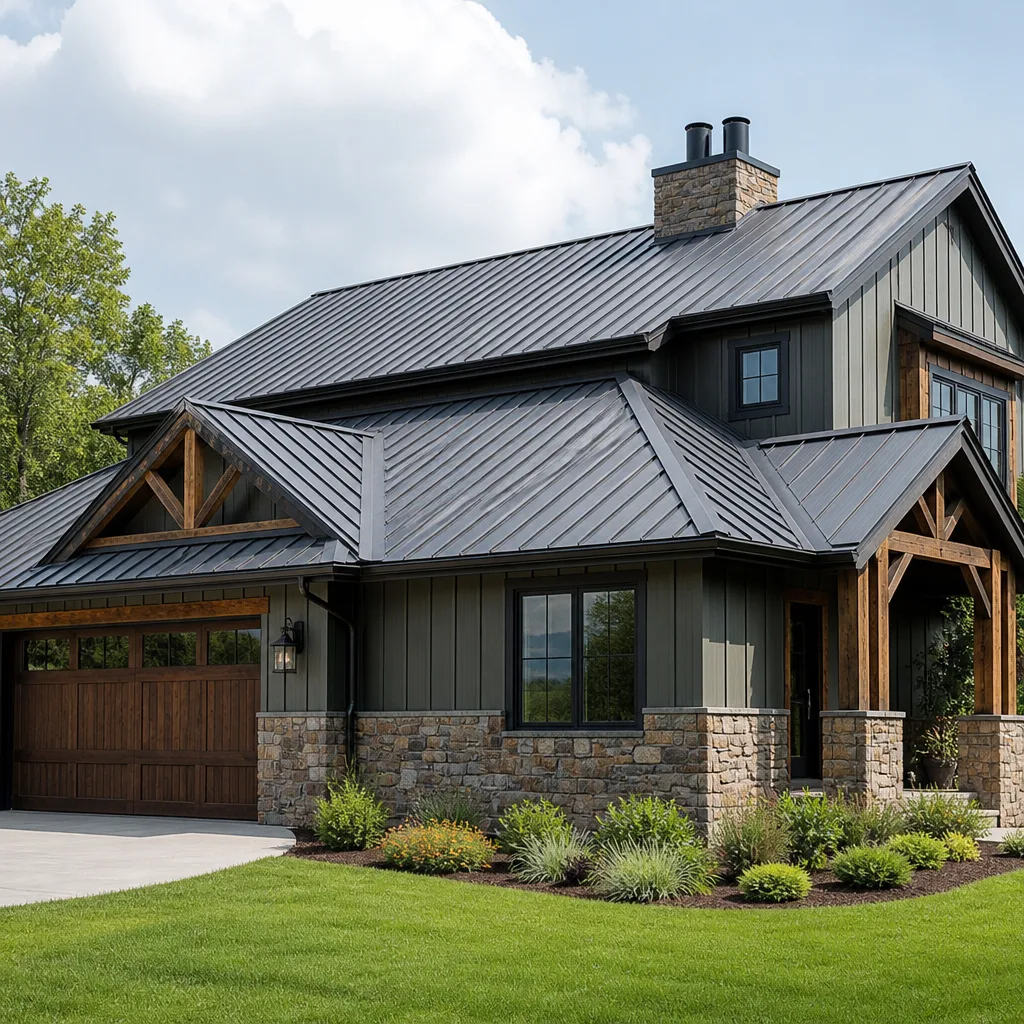 Metal roofing
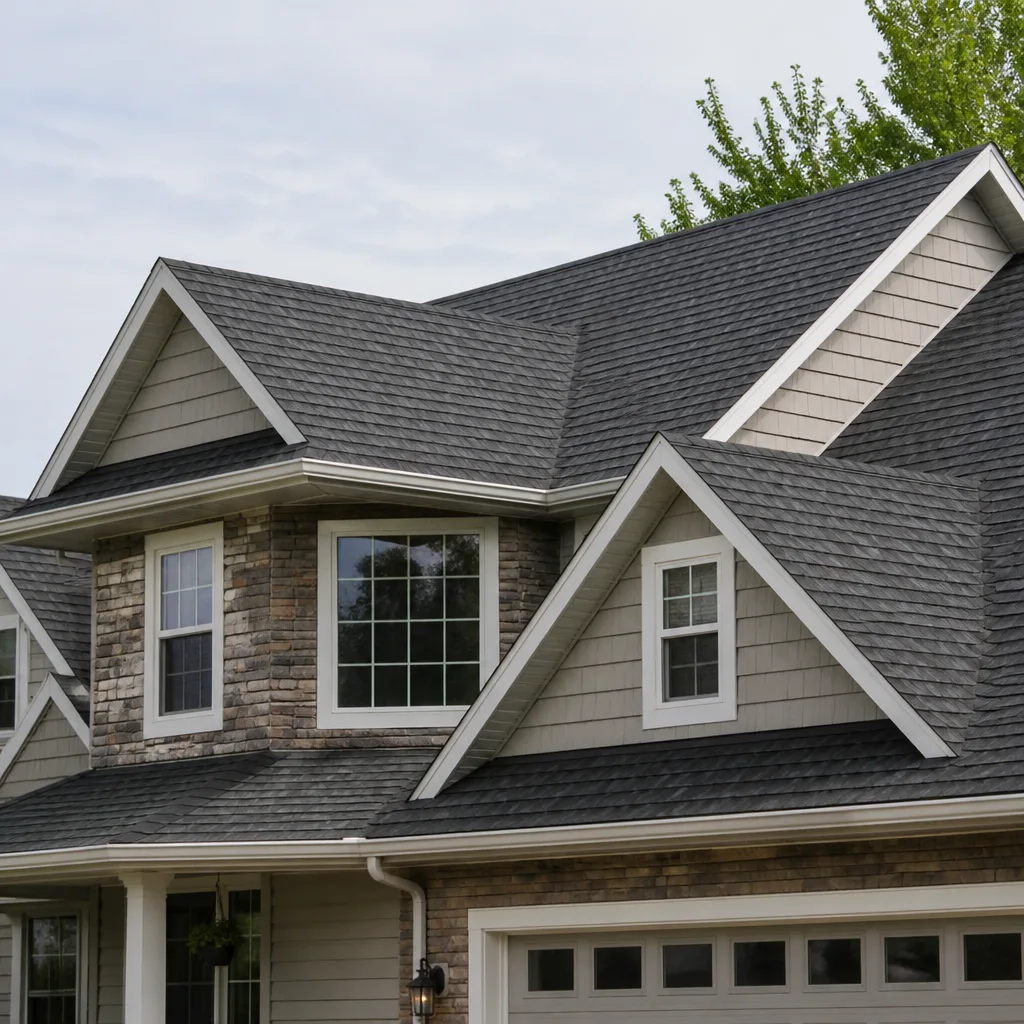 Architectural shingles
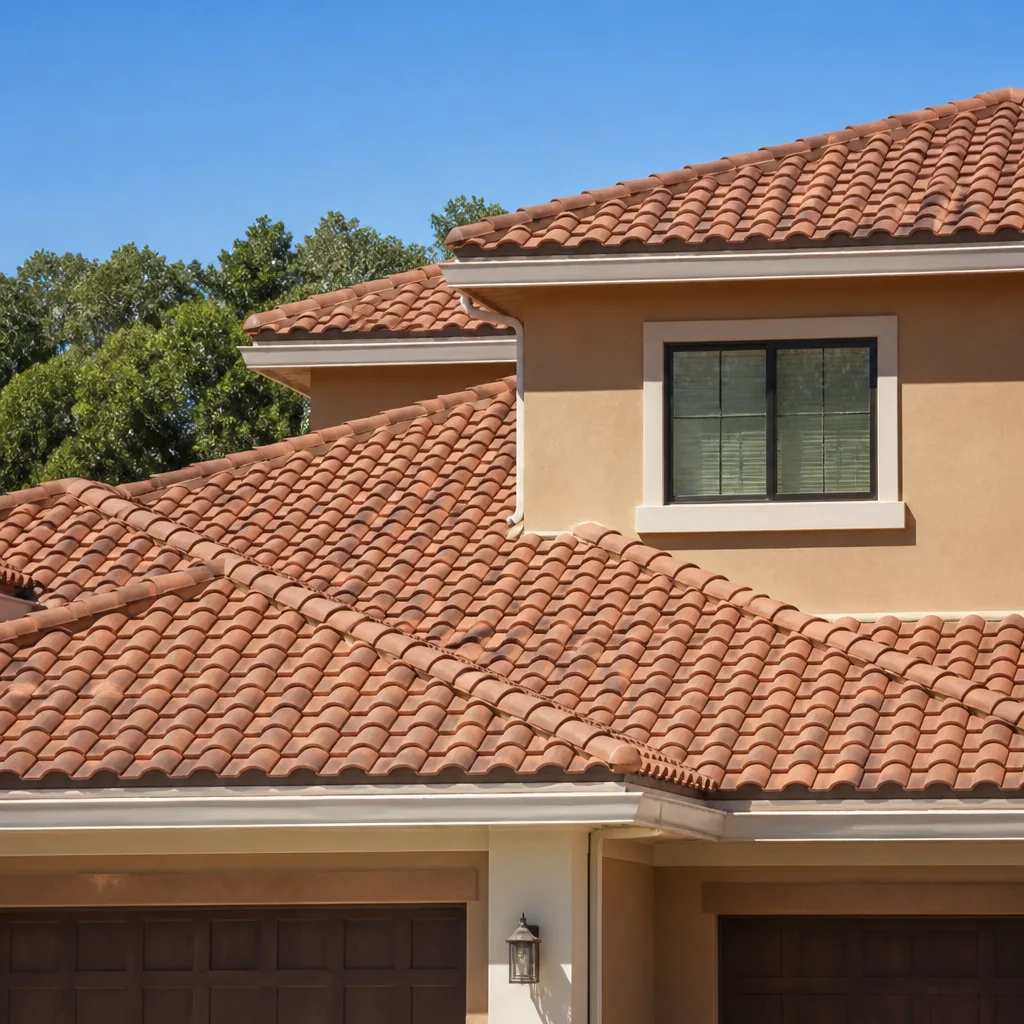 Tile roofing
 GAF
GAF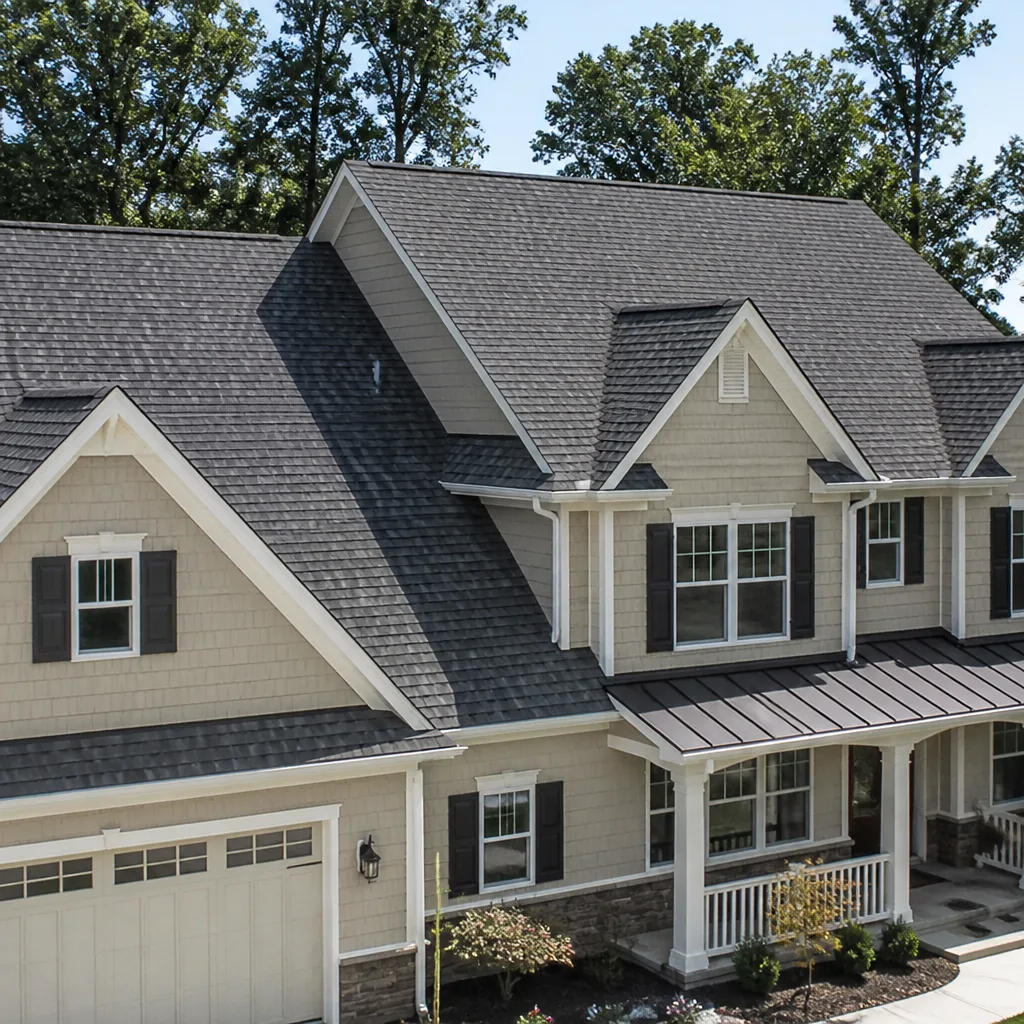 Owens Corning
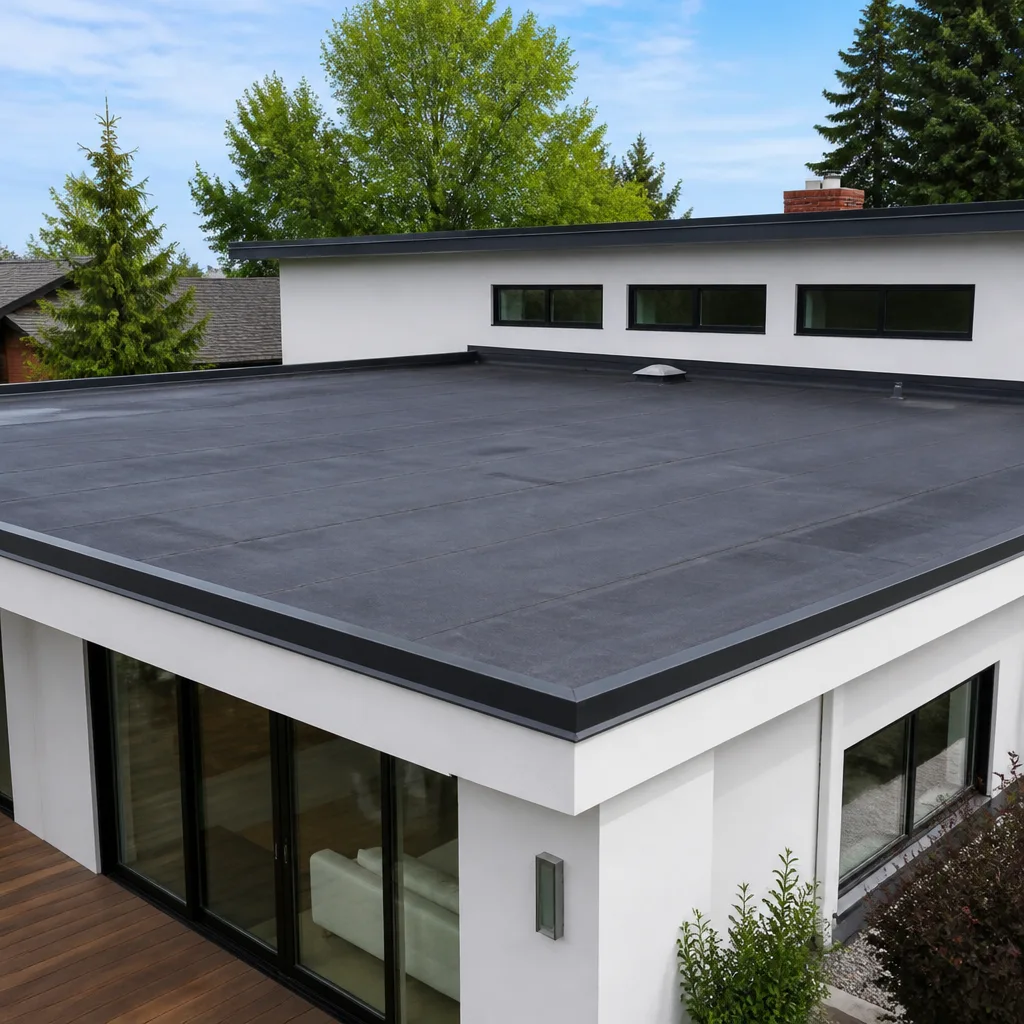 Flat & low-slope
Free roof inspection with deck photos before we talk money - GAF and Owens Corning certified installation
DIY vs Professional Roofing: The Austin Homeowner’s Decision Guide
The state of Texas will happily let you climb onto your own roof with a nail gun and a bundle of shingles. No license check, no test, no questions asked. What the state won’t do is protect you from what happens after you’re up there: a mortgage lender that requires proof of licensed work, a shingle manufacturer that voids a 30-year warranty on day one, and an Austin inspection office that doesn’t care who did the work, only whether it meets code. This guide walks through the real math of doing your own roof in Austin, not the version you see on a Saturday morning home improvement show.
Styles & brands we work with
Quick Answer
DIY roofing in Austin makes financial sense for a small handful of minor repairs, things like replacing a single pipe boot or resealing exposed nail heads. It does not make sense for full roof replacement, structural repairs, or any work involving flashing, valleys, or decking, where Austin’s permit requirements, manufacturer warranty fine print, and genuine safety risks erase the upfront savings. Most homeowners in Austin are better off hiring a professional for anything beyond simple surface fixes, and our How to Hire a Roofing Contractor in Austin: A Step-by-Step Guide can help you find the right one.
Table of Contents
- Austin Permit Law and the DIY Loophole
- What DIY Does to Your Shingle Warranty
- The Heat Risk Reality Check: Austin Roofs in Summer
- Three Repairs That Are Reasonable DIY Projects
- Five Repairs That Should Never Be DIY
- The Real Cost Comparison: DIY vs Professional in Austin
- What Your Lender and Insurance Company Require
- Common Mistakes to Avoid
- When to Call a Professional
- Frequently Asked Questions
- The Bottom Line
Austin Permit Law and the DIY Loophole
Austin’s building code allows a homeowner to pull a permit for roofing work on a property they own and occupy. That’s the loophole. What most people don’t realize is that the permit doesn’t come with a lighter inspection standard. The City of Austin enforces the same code requirements whether the person holding the nail gun is a licensed contractor or the homeowner who sleeps under that roof.
Here’s what the Austin permit process actually requires for a roof replacement:
- Submit a permit application with a detailed scope of work, including the roofing material type, the slope of the roof, and the underlayment being used.
- Pay the permit fee, which varies based on the project valuation you declare.
- Complete the work in accordance with the current version of the International Residential Code, as adopted by the City of Austin.
- Pass a code inspection covering everything from nail pattern spacing to drip edge installation to the correct overlap on underlayment seams.
- Close out the permit, which becomes public record and is visible to any future buyer or appraiser.
The inspection is the part that trips up most DIY roofers in Austin. An inspector doesn’t grade on a curve for someone doing their first roof. If the nail spacing is wrong, the underlayment is misaligned, or the flashing isn’t integrated correctly, the inspection fails. You then pay a re-inspection fee and wait for the next available appointment. In our experience around Austin, failed first-time DIY roof inspections are common, and the re-inspection adds both time and cost to a project that was supposed to save money.
For full context on what’s actually involved in a professional roof replacement in this city, see our guide on Roof Replacement in Austin.
What DIY Does to Your Shingle Warranty
Shingle manufacturers write warranties that sound generous on the sales sheet: 25 years, 30 years, lifetime, limited lifetime. Then they attach installation requirements that most homeowners never read. GAF, Owens Corning, and CertainTeed all have similar language buried in their warranty documents, and it comes down to this: the warranty covers the shingles, but only if they’re installed correctly by someone who knows what they’re doing.
GAF, for example, ties its strongest warranty protections to installation by a GAF-certified contractor. Owens Corning has its Preferred and Platinum contractor programs that extend warranty coverage. CertainTeed uses its credentialed contractor network. The word “certified” or “credentialed” appears dozens of times in these warranty documents, and it always means the same thing: a professional who completed manufacturer training and meets minimum installation standards.
What happens when a DIY homeowner installs the shingles? The manufacturer’s material defect warranty may technically still exist, but in practice, any claim you attempt will be denied. The manufacturer will point to installation error. And since you did the installation yourself, you have no installer to pursue. You’re left holding a failed roof and a worthless warranty.
The material cost savings of DIY disappear quickly when the lifetime warranty you thought you were buying covers nothing. We install with GAF, CertainTeed, Owens Corning, and other major brands specifically because those manufacturer warranties have teeth when installed by a qualified crew.
The Heat Risk Reality Check: Austin Roofs in Summer
An Austin roof in June is not the same as a roof in Ohio in June. The surface temperature of asphalt shingles in Austin regularly exceeds 150°F when the air temperature hits 95°F. On a 105°F day, which Austin gets multiple times every summer, you’re looking at shingle surface temperatures above 165°F. That’s not an estimate. That’s what infrared thermometers show on unshaded roofs across Travis County.
OSHA has specific guidance for heat exposure. The agency’s recommendations for moderate to heavy work in high-heat environments call for hydration every 15 minutes, rest cycles in cool or shaded areas, and limiting work during peak heat hours. A DIY roof replacement on an Austin summer weekend violates all of those guidelines by default. You’re on an exposed surface, working above your head, holding tools that get hot enough to burn skin on contact.
The practical reality for a DIY homeowner: what takes a professional crew two days in July takes a solo DIYer two weeks, because you simply cannot work on that surface between noon and 5pm without risking heat exhaustion or worse. Every additional day your roof deck is exposed to Austin’s summer rain pattern increases the risk of water damage to the interior.
If you need a professional repair and want to understand what a crew actually does to stay safe and effective in Austin heat, our Roof Repair in Austin page walks through the process.
Three Repairs That Are Reasonable DIY Projects
We’re not going to tell you every roof issue requires a professional. That would be dishonest, and it would also ignore how many Austin homeowners successfully handle small fixes themselves. Here are three repairs where DIY is genuinely reasonable, assuming you have basic hand tool skills, a proper ladder, and a Roof Repair Maintenance Checklist for Austin Homeowners to follow:
1. Replacing a single pipe boot
A pipe boot is the rubber collar that seals around vent pipes protruding through your roof. Over time, the rubber cracks from UV exposure, and Austin gets a lot of UV exposure. Replacing one pipe boot costs about $15 to $25 in materials at any Austin hardware store, takes roughly 20 minutes, and requires no permit. The work involves lifting a few shingles around the pipe, sliding the new boot over the pipe, and securing the shingles back down with roofing nails and a dab of sealant.
2. Re-sealing exposed nail heads
Over time, roofing nails can back out slightly, leaving small gaps where water can seep in. If you can see exposed nail heads on your roof and the area around them is otherwise sound, you can apply a small amount of roofing sealant to each nail head. This is a legitimate maintenance task that costs under $20 and takes an hour. The key is using the right sealant. Buy roofing-specific sealant, not general-purpose caulk.
3. Clearing a clogged soffit vent
Your soffit vents are the small grilles along the underside of your eaves. When they clog with dirt, pollen, or insect nests, your attic ventilation suffers, which shortens the life of your shingles. Clearing a soffit vent from the ground with a broom handle or from a short ladder is manageable for most homeowners. This is a maintenance task, not a structural repair, and it needs no permit.
Five Repairs That Should Never Be DIY
On the other side of the line are repairs where the cost of a mistake exceeds the savings many times over. These five should never be handled by a homeowner in Austin:
1. Flashing replacement or repair
Flashing is the metal strips that seal joints around chimneys, vents, dormers, and roof-to-wall intersections. When flashing fails, water gets into your roof deck. Replacing flashing requires precisely bending and interleaving metal with shingles and underlayment. A small mistake creates a hidden leak that can rot your decking for months before you notice it.
2. Valley repair
Valleys are the V-shaped channels where two roof slopes meet. They handle more water flow than any other part of the roof. Proper valley installation involves careful underlayment, precise shingle cutting, and correct overlap patterns. Getting a valley wrong in Austin means funneling water directly into your attic during the next heavy rain.
3. Structural decking replacement
If your plywood or OSB roof deck has rotted sections, replacing them requires cutting out the damaged material, inspecting for deeper structural issues, and installing new decking that meets Austin’s code requirements. This work ties directly into the structural integrity of your home and absolutely requires a permit.
4. Any repair involving a steep-slope roof
Austin has many homes with steep roof pitches, particularly in older neighborhoods. Working on a steep roof requires specialized safety equipment: harnesses, anchor points, proper ladder setups. Falls from roofs are one of the leading causes of injury for DIYers. If your roof pitch is steep enough that you need to lean to maintain footing, hire someone who does this every day.
5. Full roof replacement
A full roof replacement touches everything: the decking inspection, the underlayment, the shingles, the flashing, the vents, the drip edge. It requires a permit, it requires passing inspection, and it requires doing all of this correctly on a surface that, as discussed above, gets hot enough to burn you. This is not a weekend project. This is a multi-day job that professionals complete with crews of four to six people.
If you’re weighing a full replacement and want specifics on what a professional job involves, our Roof Installation in Austin guide covers the full scope.
The Real Cost Comparison: DIY vs Professional in Austin
Let’s put real numbers on the table. For a standard asphalt shingle roof replacement on a 1,800 square foot Austin home, here’s what DIY actually costs when you account for everything:
- Materials (shingles, underlayment, nails, flashing, drip edge, vents): $3,800 to $5,500, depending on the shingle brand you choose. This is the number everyone budgets for, and it’s the only number most DIY cost calculators show.
- Tool rental or purchase: $400 to $1,200. You’ll need a roofing nail gun, compressor, shingle cutter, and various hand tools. Renting for a week is cheaper than buying, but a solo DIYer often needs two weeks or more.
- Dumpster rental and disposal: $350 to $600. Your old shingles produce significant waste. Austin has specific disposal requirements for construction debris, and you can’t just put it at the curb.
- Material waste: 10% to 15% of your material cost, so roughly $400 to $800. First-time roofers waste more shingles through miscuts, misalignment, and damage. Professionals budget for 5% to 10% waste, and some of that gets recycled into future jobs.
- Permit and inspection fees: $150 to $400, depending on your declared project valuation. If the first inspection fails, add another $100 to $200 for the re-inspection.
- Your time: 80 to 120 hours for a solo DIYer. That’s two to three full work weeks. Value your time at anything, and this becomes the largest hidden cost.
Total realistic DIY cost: $5,200 to $8,500, plus two to three weeks of your labor, plus the risk of a failed inspection, plus voided manufacturer warranties, plus potential damage from weather exposure during a longer-than-expected tear-off.
A professional roof replacement from us runs on a written quote where the number on the page is the number on the invoice. You get a crew that finishes in two to four days, a permit pulled by the contractor, an inspection passed, and manufacturer warranties intact. The price difference is smaller than most people think, and the risk difference is enormous.
What Your Lender and Insurance Company Require
Your mortgage lender has an interest in your roof. That roof is collateral. Many Austin homeowners discover after the fact that their mortgage documents include language requiring roof repairs or replacements to be completed by licensed professionals. If your lender finds out a DIY repair resulted in a code violation or a failed inspection, you could face issues with your existing loan or a future refinance.
Your homeowner’s insurance is the bigger concern. Most Texas policies include language that allows the insurer to deny coverage for damage caused by improper workmanship. If a DIY repair goes wrong and your roof leaks, your insurer may classify the resulting water damage as a maintenance failure rather than a covered peril. The claim gets denied, and you eat the full cost of the water damage repair on top of the roof repair.
This matters more in Austin specifically because our weather patterns create real risk. Hail storms, high winds, and heavy rainfall are regular occurrences. If a storm damages your roof and your insurance adjuster finds evidence of unpermitted or improperly completed DIY repairs, your claim gets complicated fast. Insurance companies look for reasons to deny claims, and a DIY roof repair is one of the easiest reasons to spot.
Working with a licensed professional creates a paper trail: the permit, the inspection record, the contractor’s insurance. All of that documentation protects you when you file a claim. We serve Austin homeowners from our location in the city, and every job we complete includes the documentation your lender and insurer need.
Common Mistakes to Avoid
- Assuming the permit is optional. In Austin, a roof replacement requires a permit, full stop. Skipping the permit saves $200 upfront but creates a problem you’ll pay for later when you sell the house or file an insurance claim.
- Underestimating material waste. First-time roofers in Austin consistently waste 10% to 15% of their shingles. That extra $400 to $800 eats into the savings that motivated the DIY project in the first place.
- Starting a roof project in July or August. You cannot safely work on a 160°F surface for more than a few minutes. The heat risk alone turns a two-week project into a two-month slog.
- Ignoring the flashing. Most roof leaks come from failed flashing, not failed shingles. DIYers focus on the shingle field and neglect the metal joints around chimneys and vents, which is where the workmanship matters most.
- Forgetting the dumpster permit. If you plan to park a roll-off dumpster on a public street in Austin, you need a right-of-way permit from the city. Getting a citation on top of your roof project is an unpleasant surprise.
- Believing the shingle warranty covers your DIY installation. It doesn’t. Read the warranty document before you buy the shingles, not after the roof leaks.
- Not planning for rain. Austin gets sudden, heavy rain. An exposed roof deck is a magnet for water damage. A professional crew tears off and re-covers in the same day. A solo DIYer rarely can.
When to Call a Professional
If your project involves flashing, valleys, decking replacement, a full roof replacement, or any work on a steep-slope roof, hire a professional. If you need a permit and don’t know how to read the building code, hire a professional. If you value your weekends and prefer to avoid a 150°F work surface, hire a professional. Crestview Roofing Co Austin home offers free estimates throughout the Austin area. Call (254) 587-6371 for a written, no-obligation quote before work starts, so you can compare the real professional cost against your projected DIY total.
Frequently Asked Questions
Yes, Texas law and Austin city code allow a homeowner to pull a permit and perform roofing work on their own owner-occupied residence. The inspection standard is identical to what a licensed contractor must meet, and you’ll need to pass the same code inspection before the permit is closed.
A realistic DIY roof replacement on a standard Austin home costs between $5,200 and $8,500 when you account for materials, tools, dumpster rental, material waste, permit fees, and potential re-inspection fees. This excludes the value of your time, which typically totals 80 to 120 hours for a solo homeowner.
In practice, yes. GAF, Owens Corning, and CertainTeed all tie their strongest warranty protections to installation by a credentialed or certified contractor. If a homeowner-installed roof fails, the manufacturer will likely attribute the failure to installation error, which voids the warranty. Call (254) 587-6371 for a quote on a properly installed roof with intact manufacturer coverage.
Replacing a single pipe boot, re-sealing exposed nail heads, and clearing clogged soffit vents are the three repairs most Austin homeowners can handle safely. These are maintenance-level tasks that cost under $25 in materials and involve no structural work or permitting.
Asphalt shingle surfaces in Austin regularly reach 150°F to 165°F during summer afternoons. That’s above the temperatures OSHA identifies as hazardous for sustained physical labor. Working on a roof that hot creates real risk of heat exhaustion, burns, and dehydration, which is one reason pros schedule summer work in early morning hours.
You pay a re-inspection fee, typically $100 to $200, and wait for the next available appointment. Then you must correct whatever the inspector flagged, which usually means tearing off part or all of your work and starting over. The original inspection fee and the re-inspection fee both come out of your DIY savings.
The Bottom Line
DIY roofing in Austin works for small maintenance tasks like pipe boots and nail heads. It fails badly for anything bigger. The city’s permit requirements, the heat reality of a Texas summer, the warranty language from major shingle manufacturers, and the risk to your insurance claim are four things no YouTube tutorial covers. The savings from doing a full roof yourself rarely survive contact with the re-inspection fee, the wasted materials, and the weeks of labor. We’re Crestview Roofing Co Austin home, and we’ve been serving Austin since 2000. If you’re weighing DIY against professional, call (254) 587-6371 for a free estimate and a written price so you can make the decision with real numbers on the table.
Written by Dylan Pace, Owner at Crestview Roofing Co Austin, serving Austin since 2000. Explore more guides & resources on our blog.
See the difference
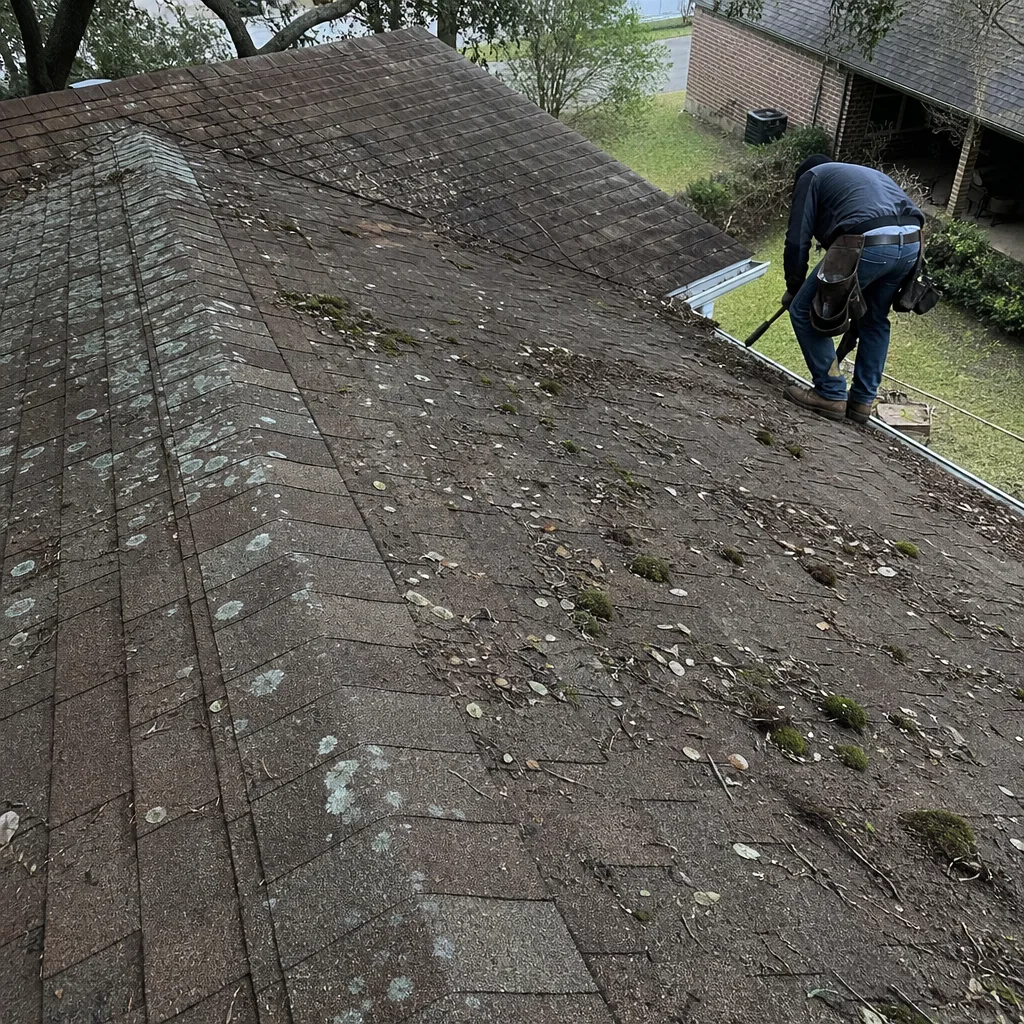 Before
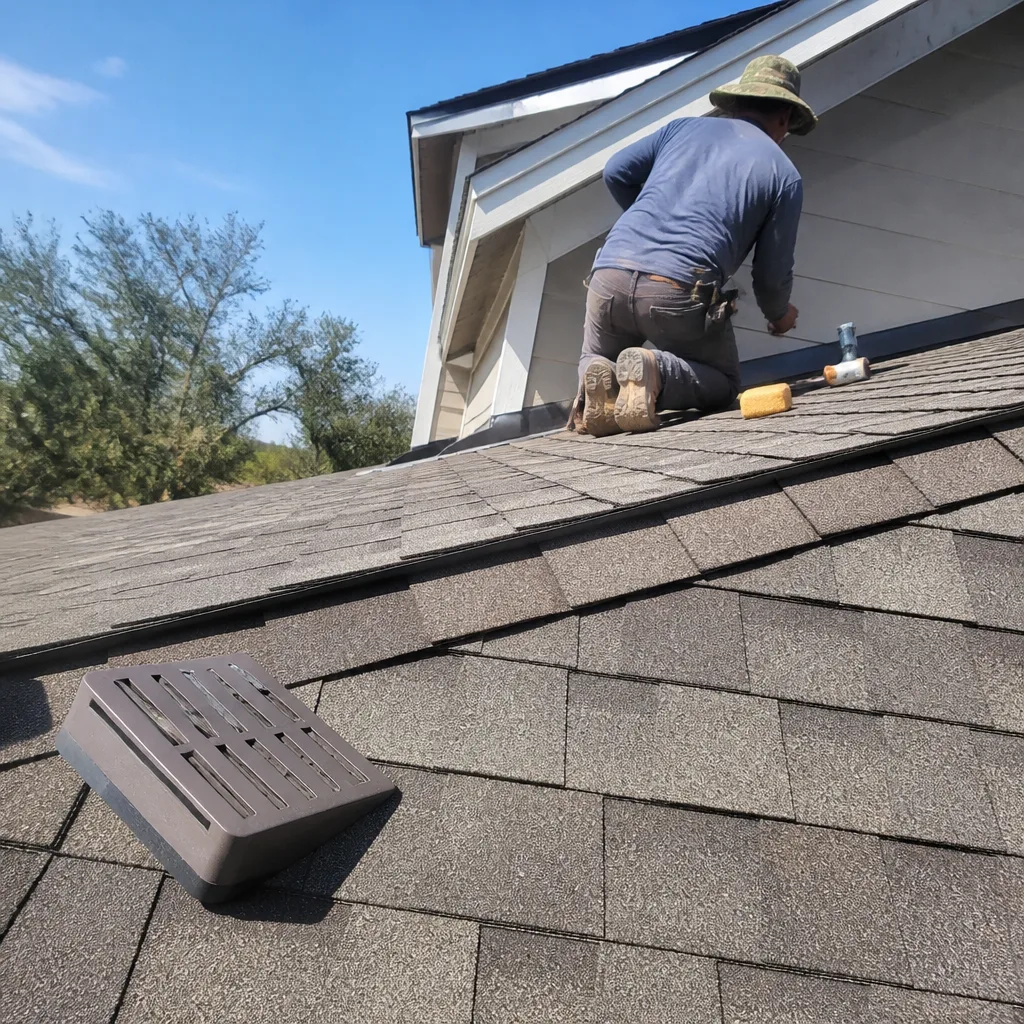 After
After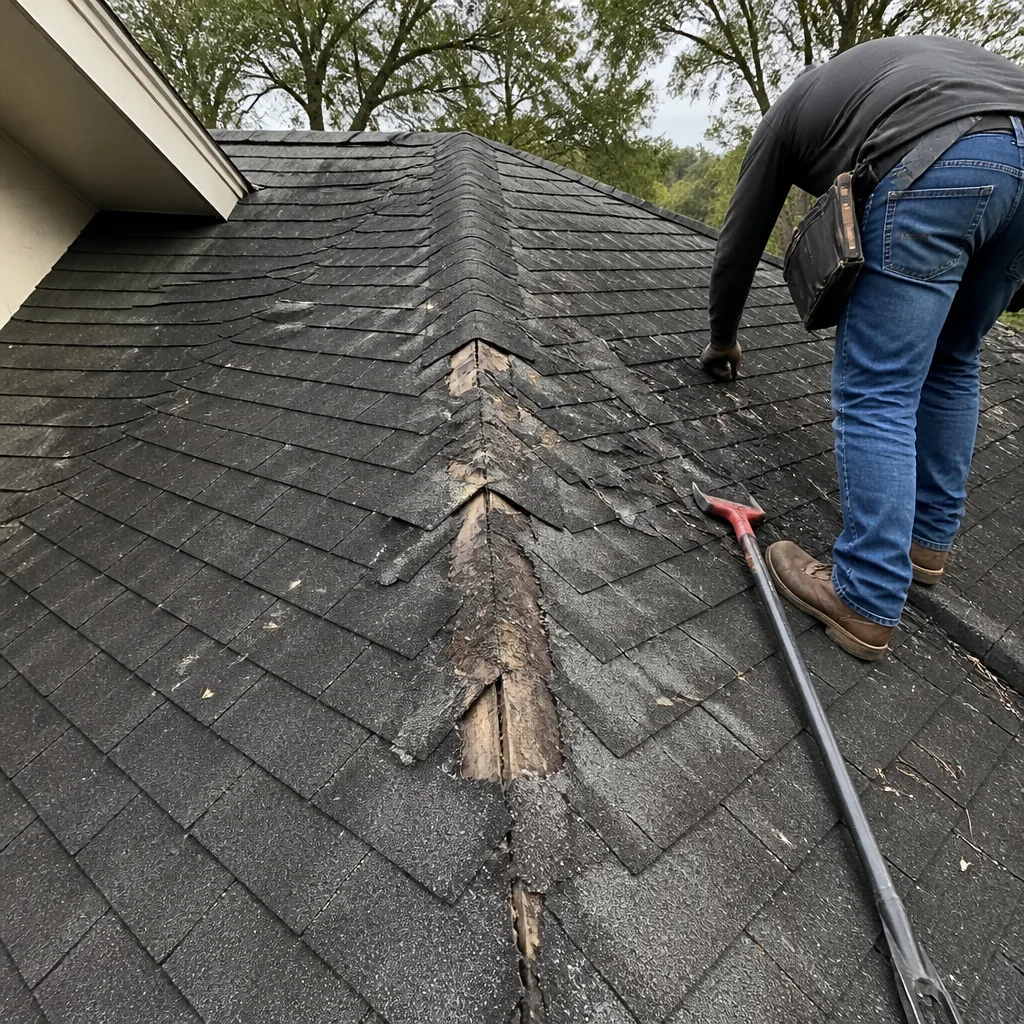 Before
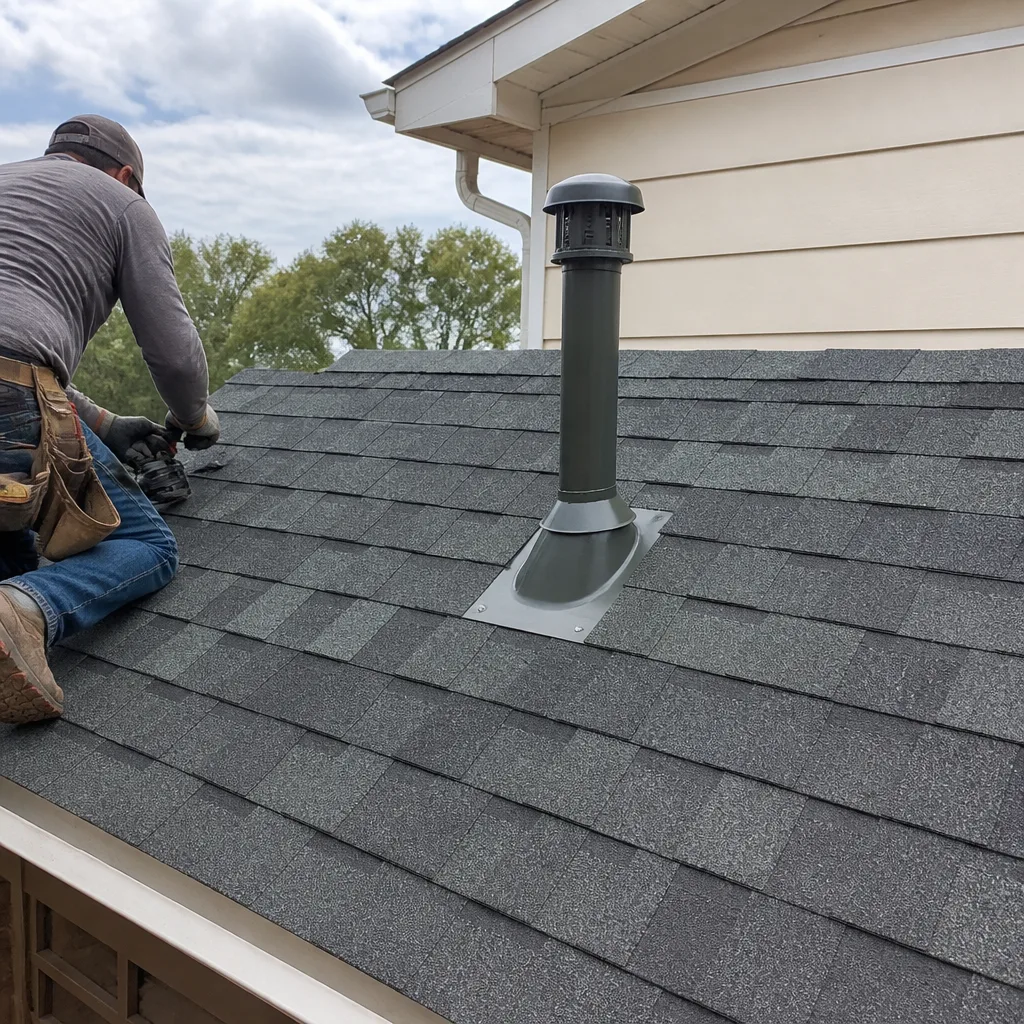 After
After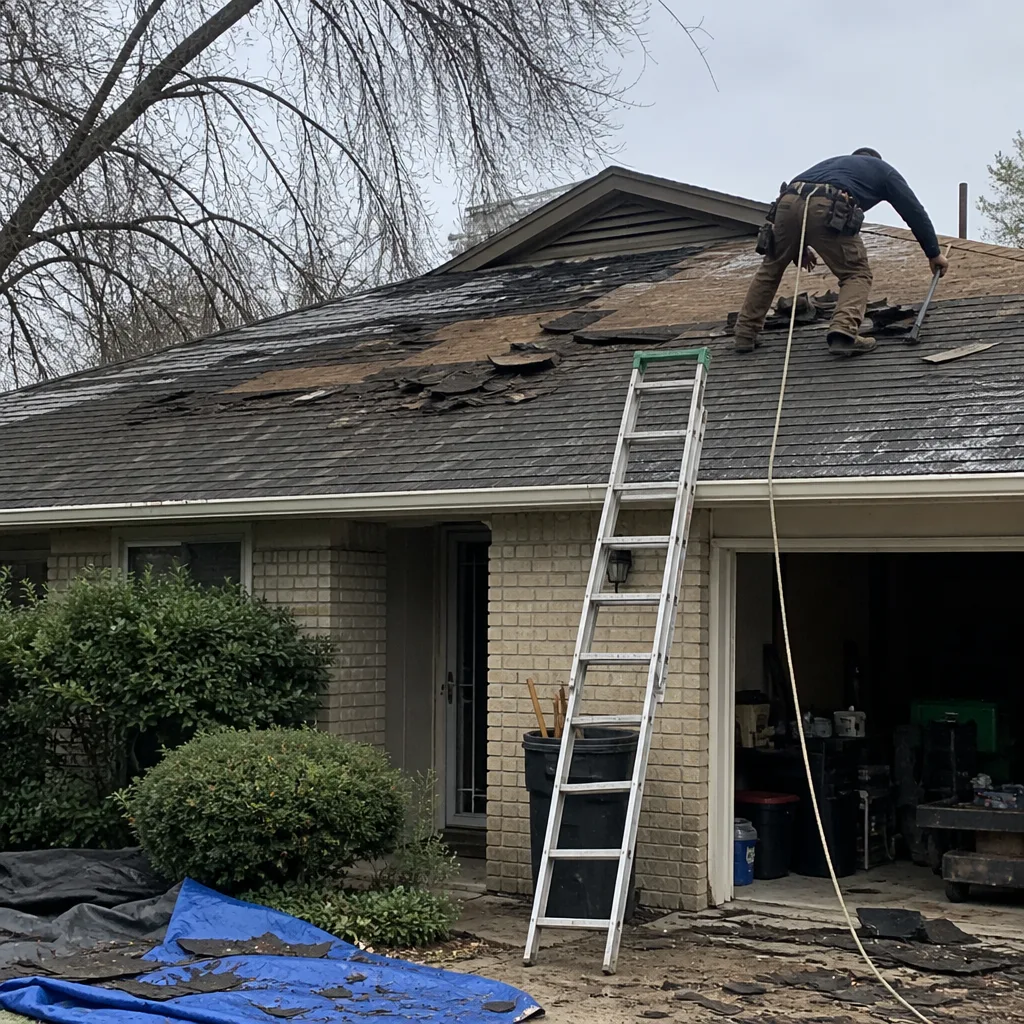 Before
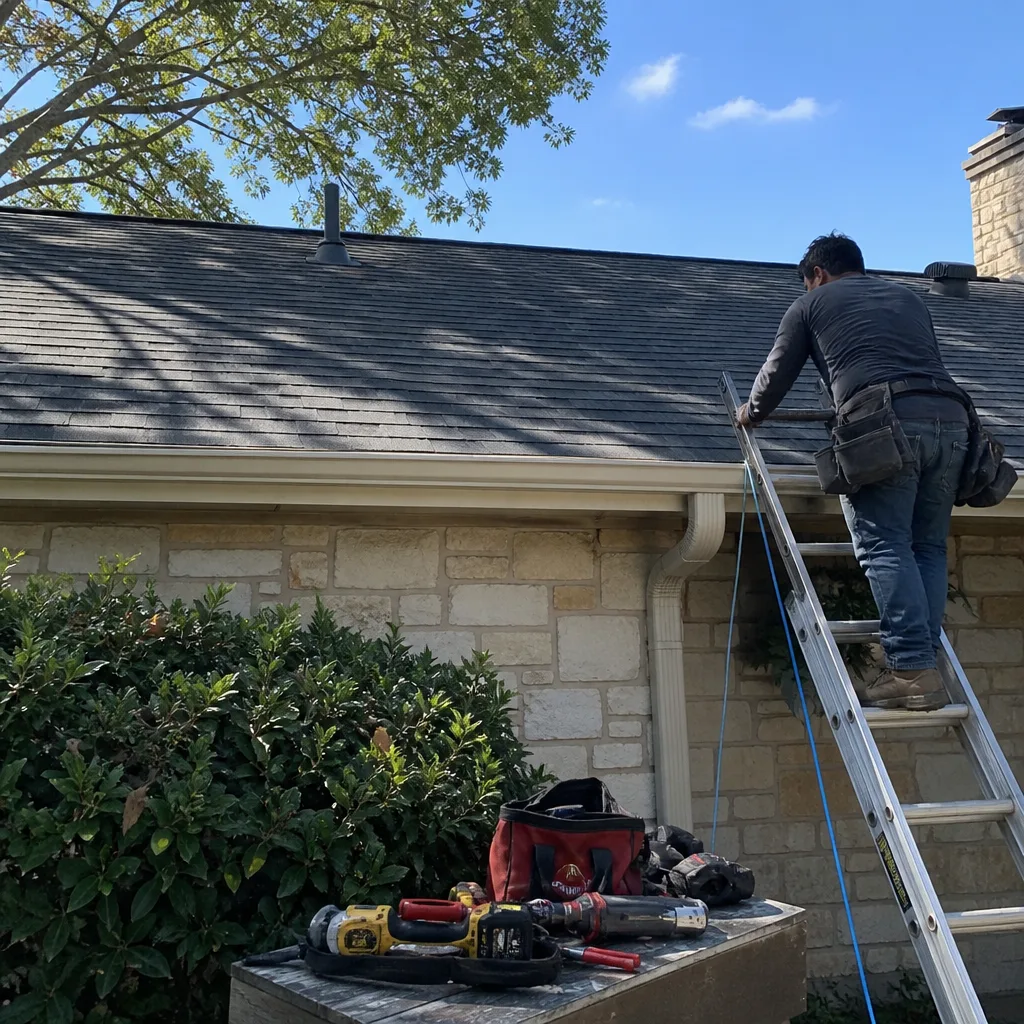 After
After