
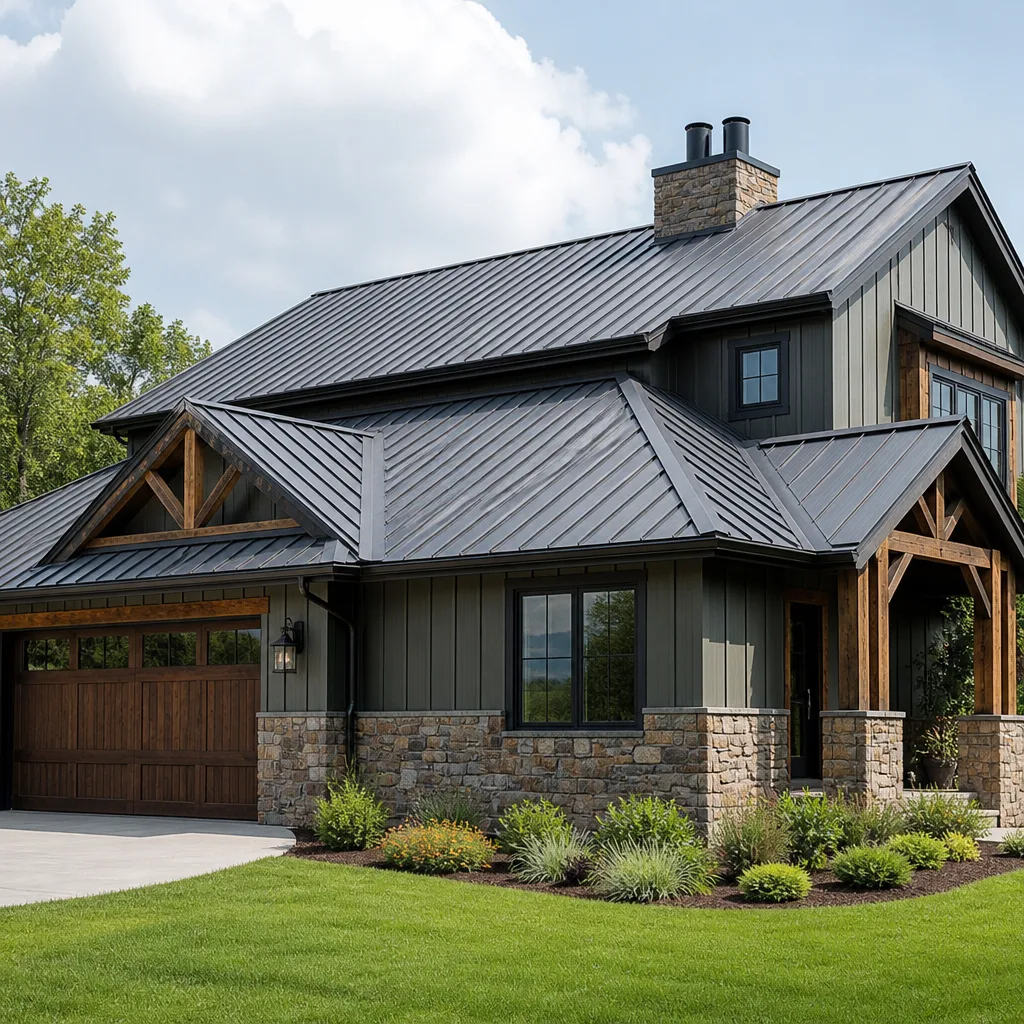
 Metal roofing
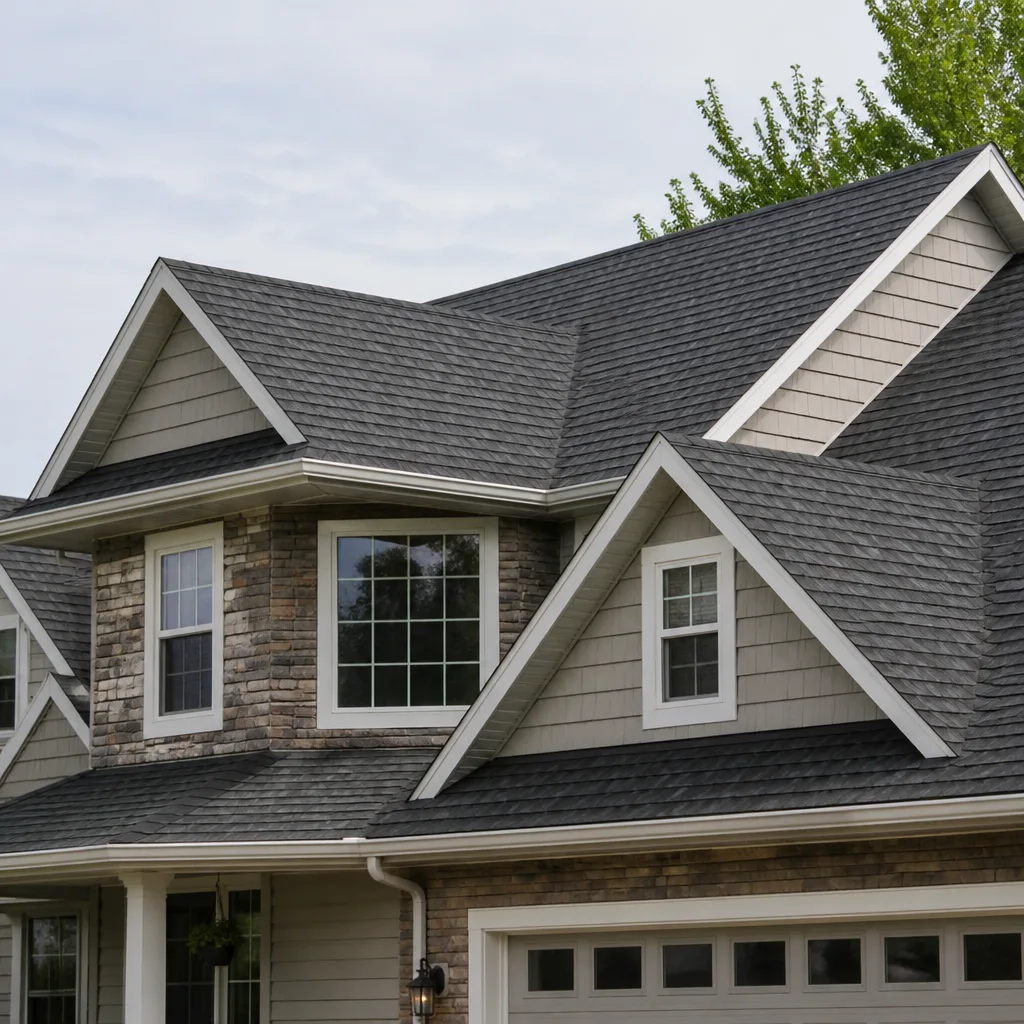 Architectural shingles
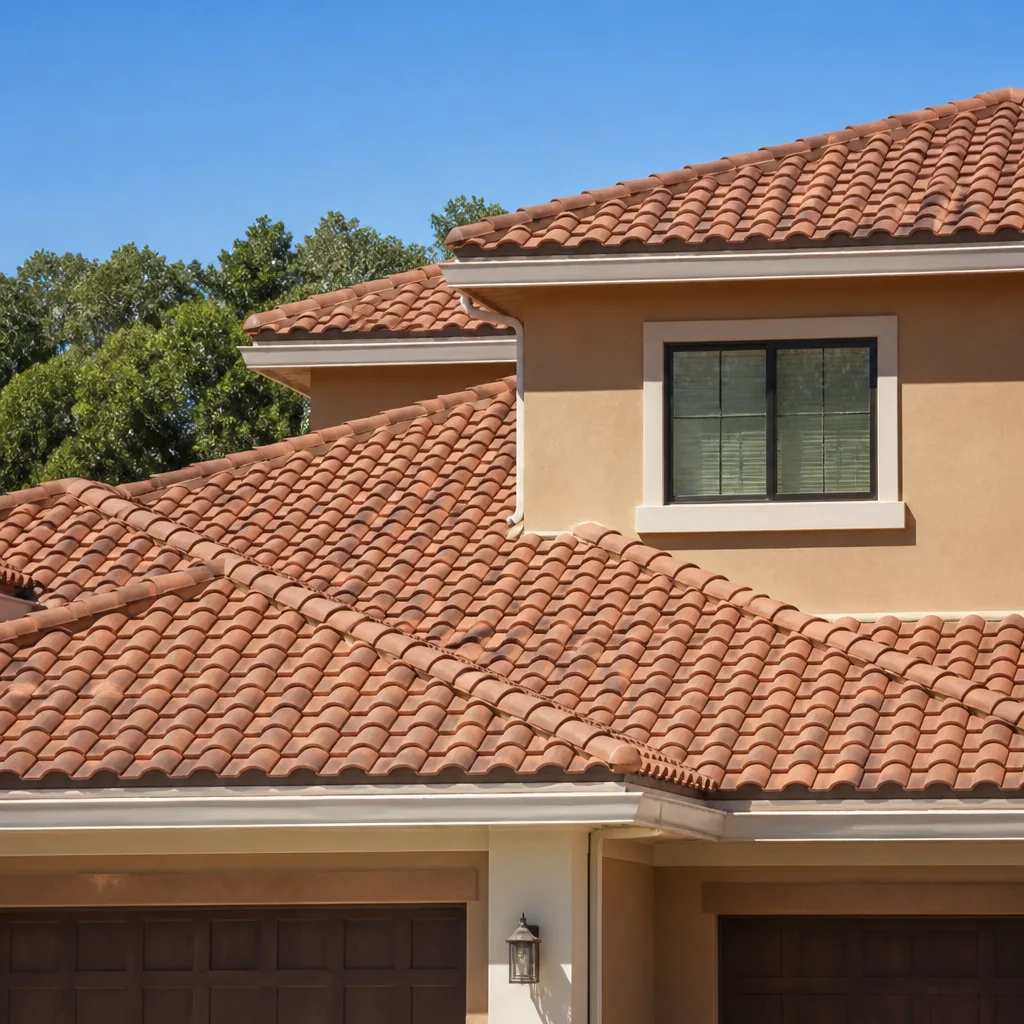 Tile roofing
 GAF
GAF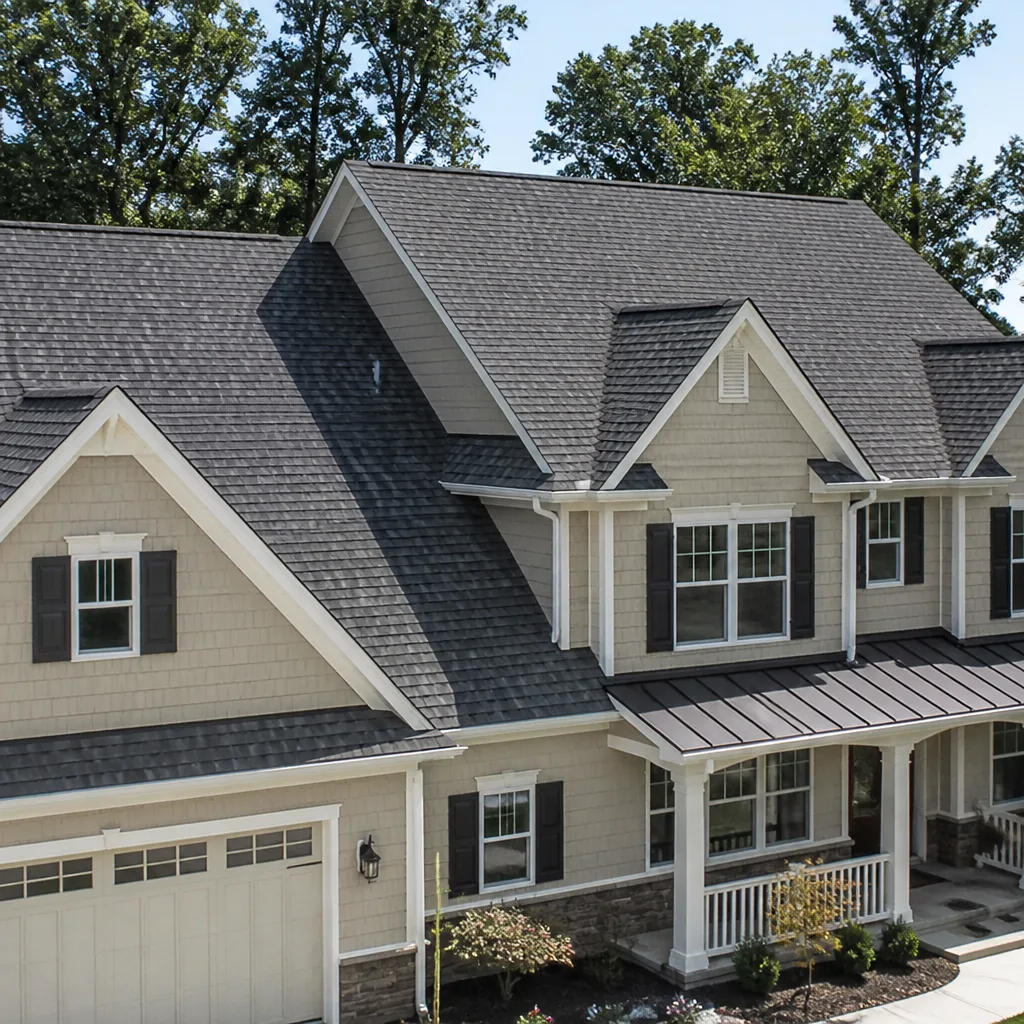 Owens Corning
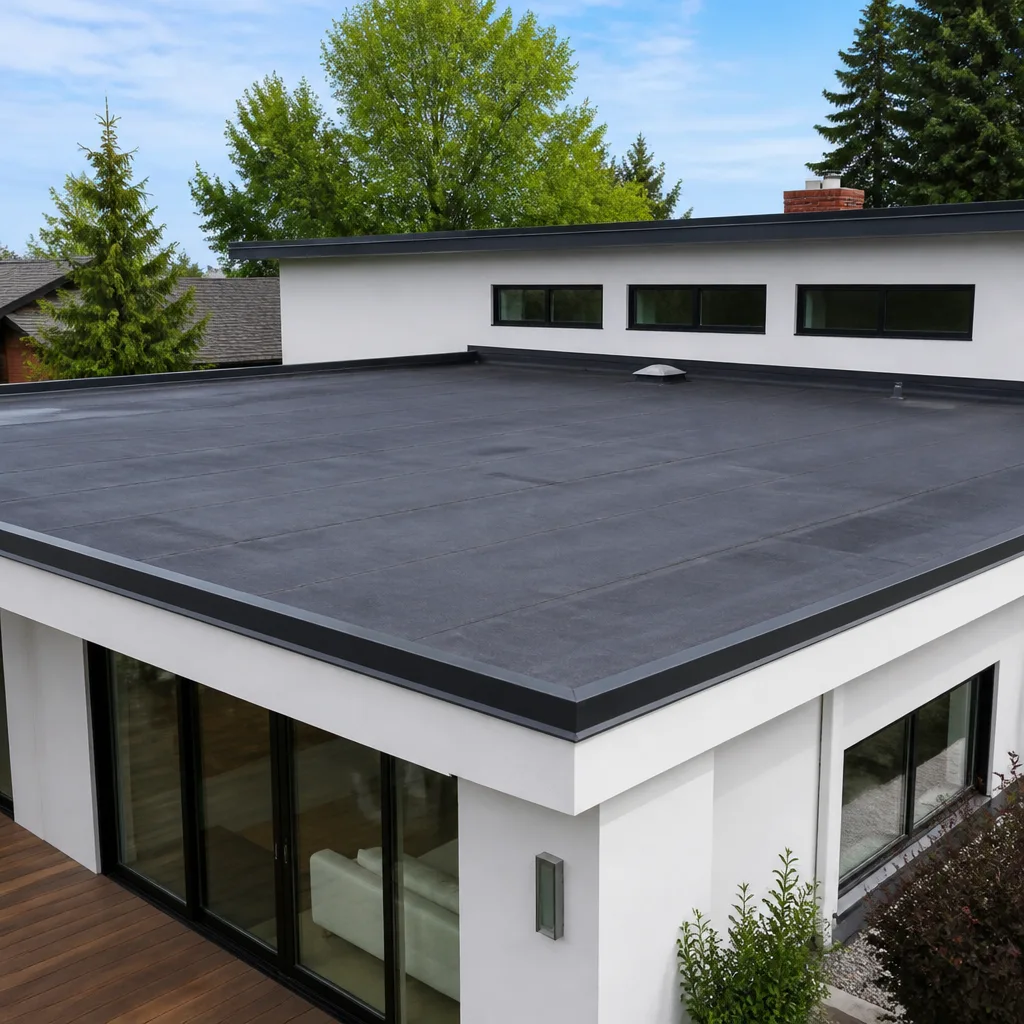 Flat & low-slope
Free roof inspection with deck photos before we talk money - GAF and Owens Corning certified installation
Styles & brands we work with
See the difference
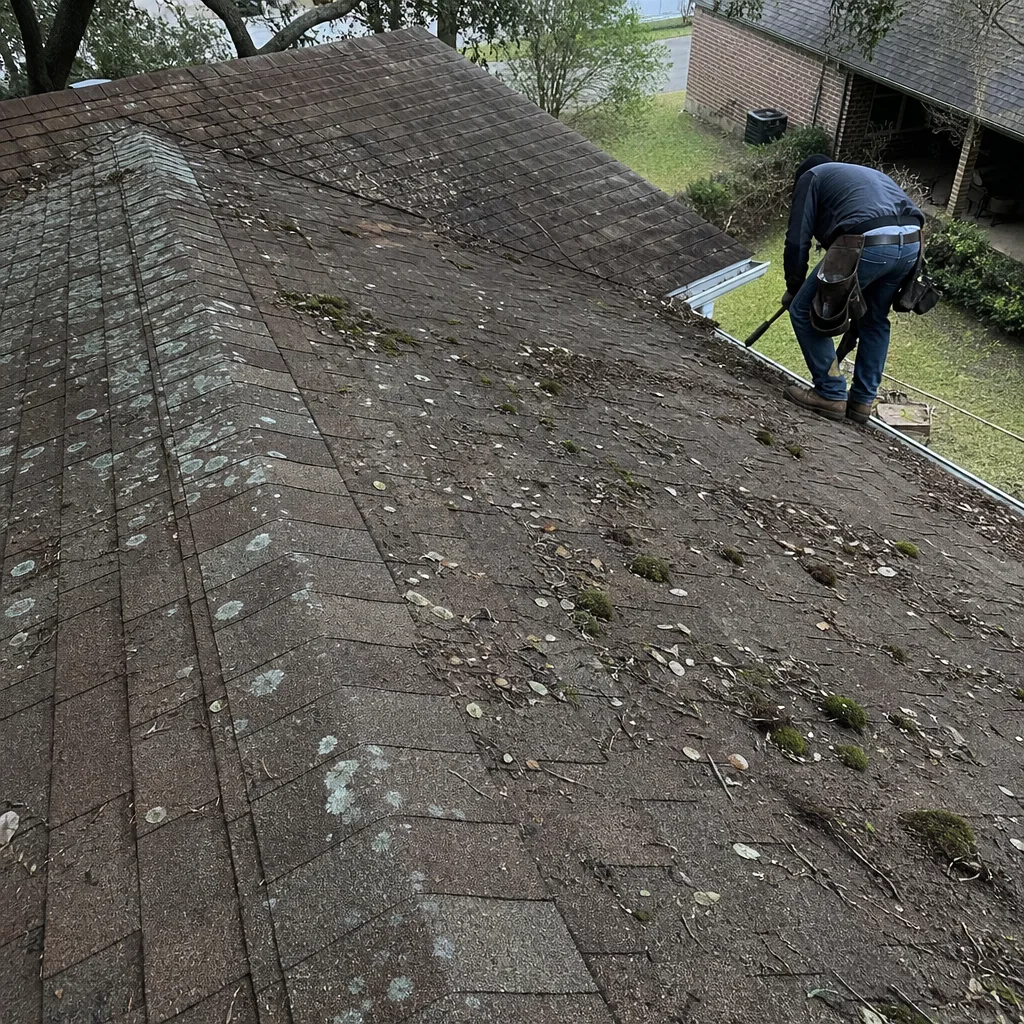 Before
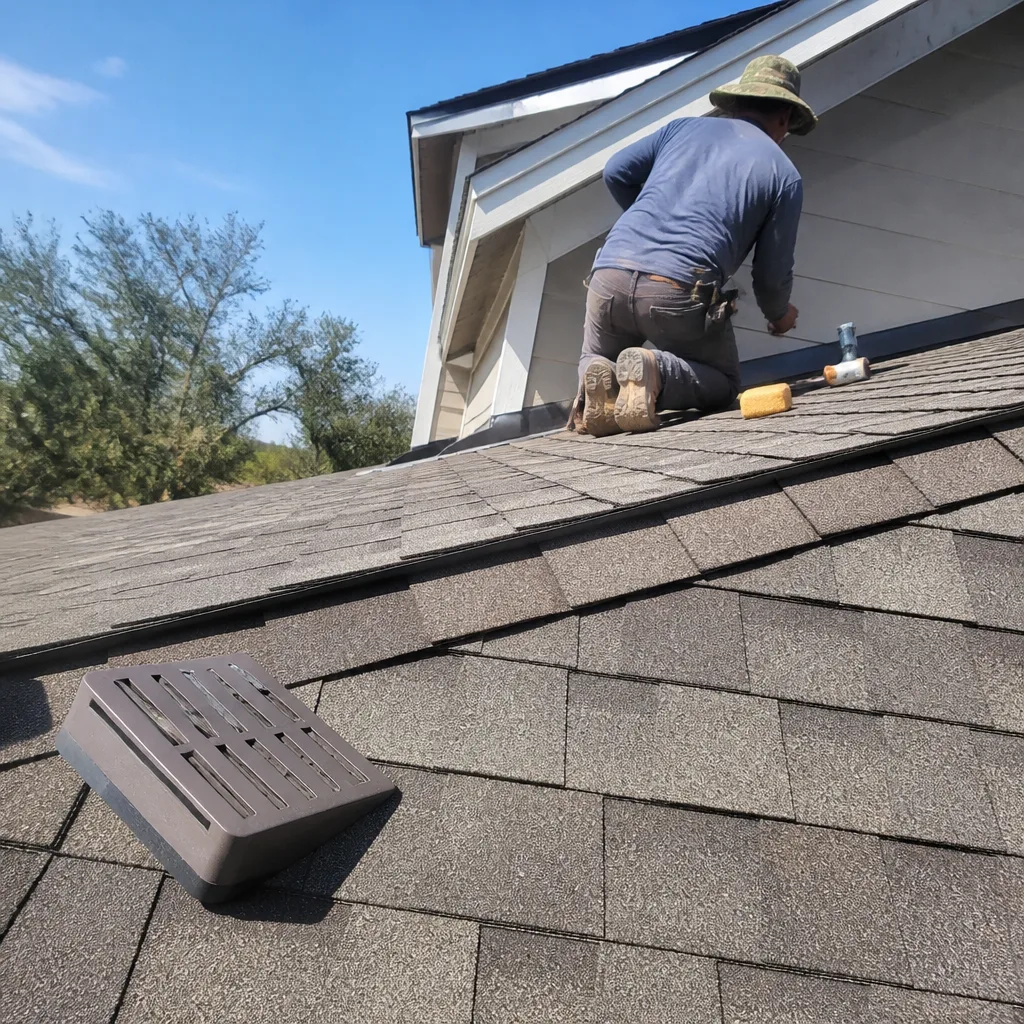 After
After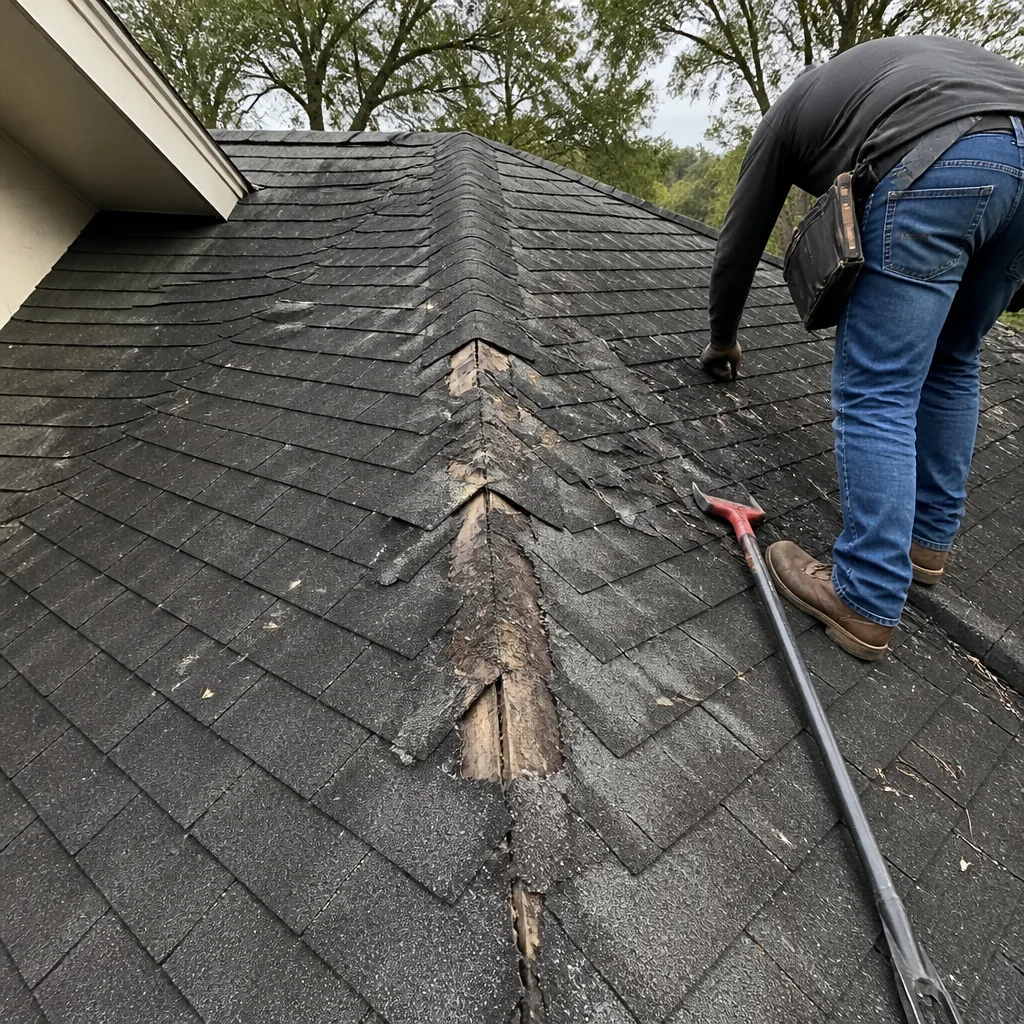 Before
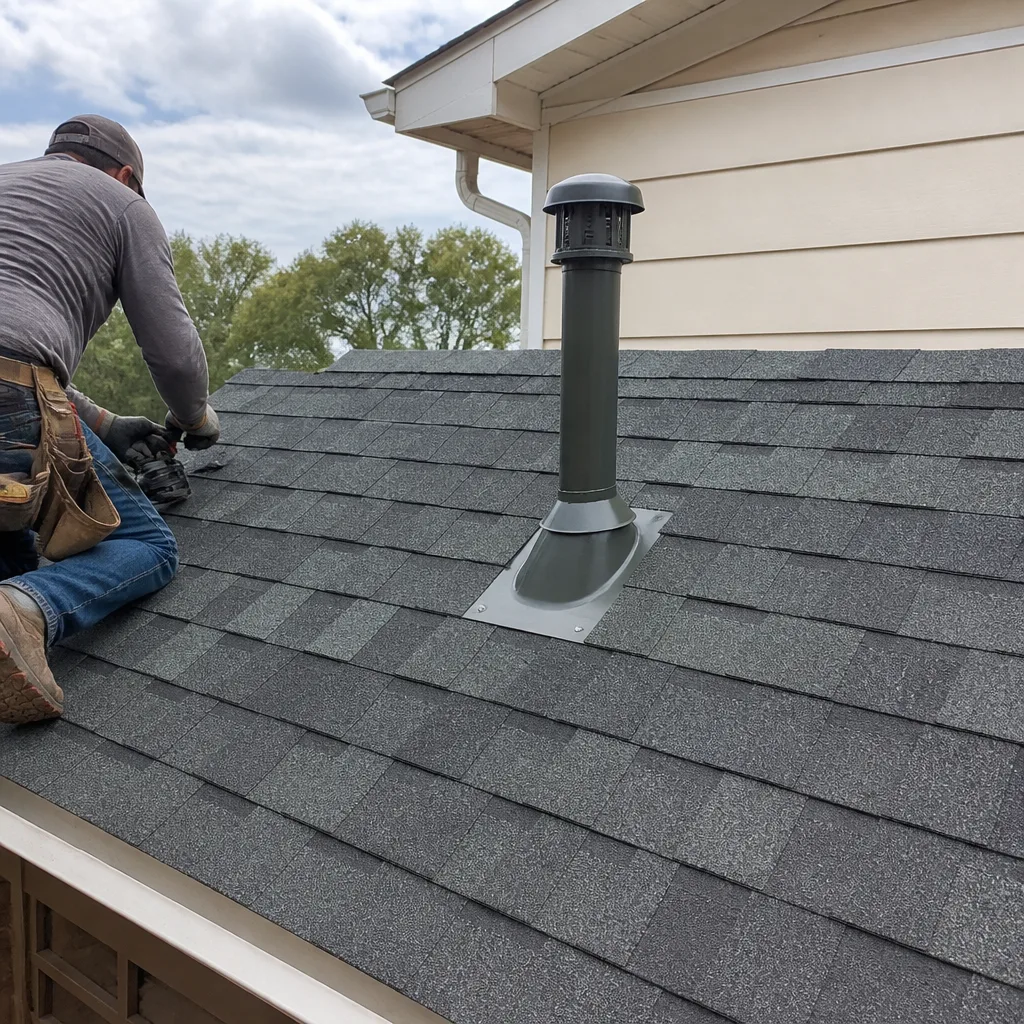 After
After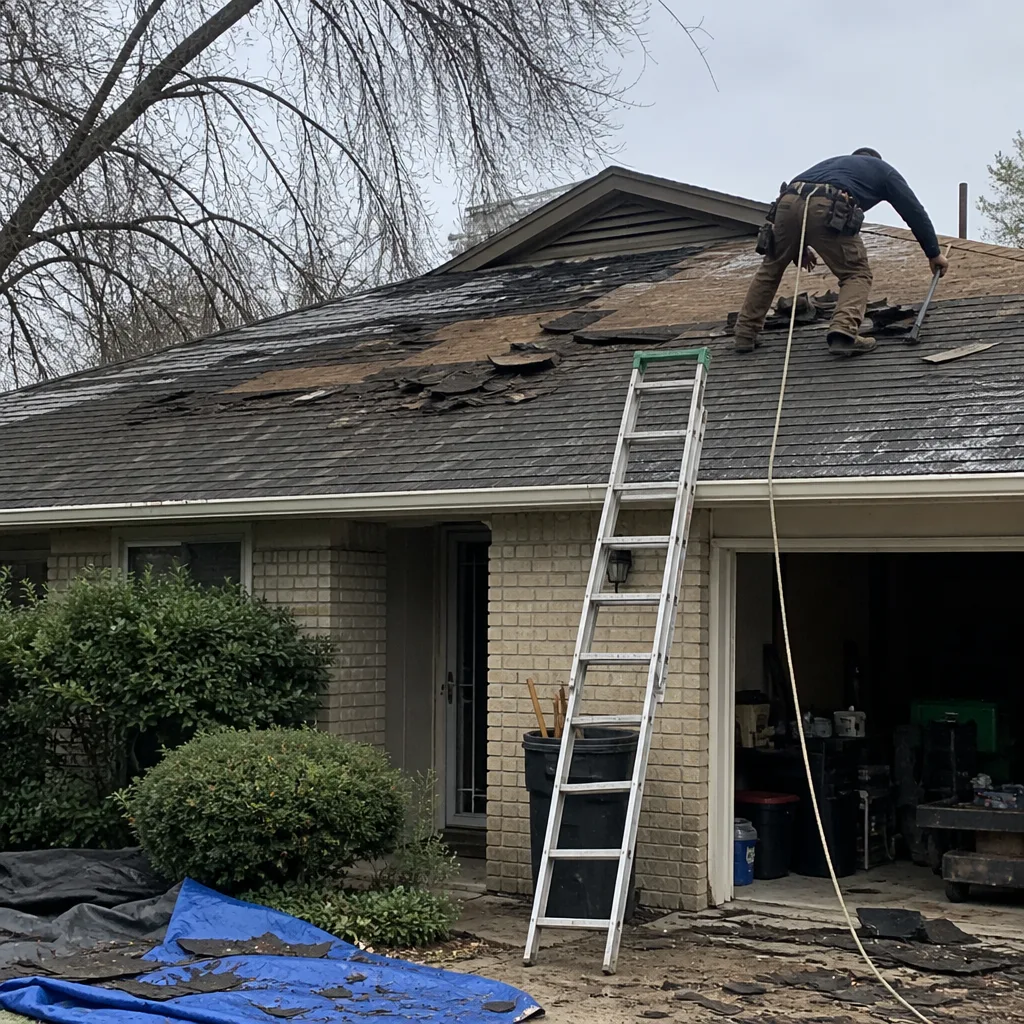 Before
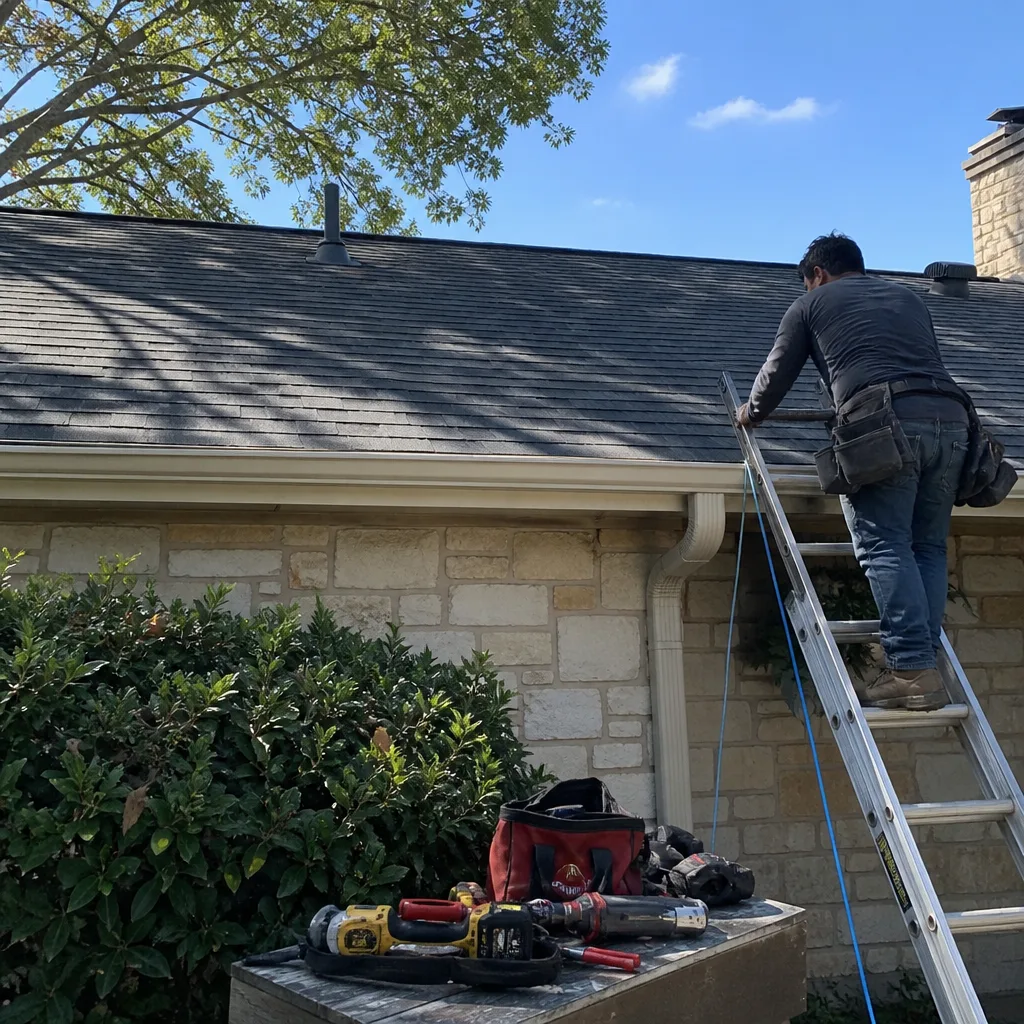 After
AfterValley Repair in Austin, TX
Valley repair means fixing the V-shaped channels where two roof slopes meet, and in Austin these valleys take a beating from oak leaves, heavy spring downpours, and July sun. Most valley repairs in Austin run $350 to $900 depending on whether we’re replacing flashing, swapping out valley liner, or reworking shingles that have pulled loose along the channel. Crestview Roofing Co Austin, led by Dylan Pace, has repaired valleys across Central Austin since 2000, and every job starts with a written price before any work begins. Call (254) 587-6371 and you’ll get a live person on the line, not a voicemail loop.
The valley is a roof’s natural drainage path. When it works, water sheets down the channel and into your gutters. When it fails, water finds the plywood decking underneath, and that’s when a $400 valley repair becomes a $4,000 roof section replacement. Our Roof Repair service includes valley work as a core specialty, because in Austin’s climate, valleys fail more often than flat field shingles do. Branches scrape them, leaves pile in them, and thermal expansion works the sealant loose year after year.
If you’re seeing dark streaks along a valley line inside your attic, or granules collecting in a gutter below a valley, you’re looking at an active water channel problem. That’s the page you’re on. Here’s what valley repair actually involves, what it costs in Austin, and how our process works from first call to final photo.
Key Takeaways
- Valley repair in Austin typically costs $350 to $900 for most residential repairs, with full valley liner replacement running higher.
- Signs of valley failure include granule buildup in gutters below the valley, dark streaks on attic sheathing, and lifted or missing shingles along the valley channel.
- Every Crestview valley repair includes a written price before work starts, before-and-after photos, and the 365-Day Done Right Promise in writing.
- We install valley materials from Tamko, Boral, GAF, and CertainTeed, matched to the existing roof where possible.
When You Need Valley Repair
Valleys don’t fail silently forever. They give you signals, and most of the time homeowners in Austin notice one of these before a leak turns into a ceiling stain. Call us at (254) 587-6371 if any of these sound familiar:
- Granules piling up in gutters below a valley. Asphalt shingle granules erode fast where water concentrates. If one gutter run is full of granules while others are clean, the valley above it is shedding material at an accelerated rate.
- Dark water staining on attic sheathing along the valley line. Get into your attic after a rain and look up. If the plywood shows a dark track following the valley, water is getting under the valley liner or flashing and traveling along the decking.
- Lifted, cracked, or missing shingles in the valley channel. Valley shingles get nailed into the highest-stress zone on the roof. When they start peeling up, water gets under the shingle course and runs sideways.
- Rust streaks or corrosion on exposed valley metal. Older Austin homes with open metal valleys often show rust blooming along the edges. Once the metal is perforated by rust, water goes straight through.
- Damp insulation or water staining on exterior walls below a valley. When valley overflows happen, water can travel several feet before it finds a path down, and that path is often an exterior wall rather than the ceiling directly below the valley.
- Recent wind or hail damage around valley edges. Austin storms hit valley edges hard because wind gets channeled down the V and pries at the shingle edges. If you had a storm roll through and your neighbors are getting roof checks, your valleys are the most likely damage point.
One thing worth understanding: valley problems compound fast in Austin’s freeze-thaw cycles. When water sits in a valley seam and we get a cold snap, the water expands and forces the seam open a little more. Next rain, more water gets under. By the time you see a ceiling stain, the fix is no longer a simple valley repair. Our 365-Day Done Right Promise means we handle the repair at the earliest stage, so the small problem stays small.
Our Valley Repair Process
Here’s exactly how valley repair works with Crestview Roofing Co Austin, from the moment you call (254) 587-6371 to the final photo texted to your phone. Dylan Pace built this process around one idea: you should never wonder who’s showing up, when, or what it’ll cost.
- You call, a live person answers. No phone tree, no “leave a message and we’ll call you back Monday.” We answer 24/7, every day. We ask about the symptoms, we ask for photos if you have them, and we book a time that fits your schedule with a live trackable arrival window.
- Written price before any work starts. A technician arrives, gets on the roof, and inspects the valley up close. Then you get a written price with the scope broken out in plain English: what materials, what labor, what the total is. The number on that page is the number on the final invoice. No upcharge at the door.
- Valley repair work begins. We tear back the old material along the valley, inspect the decking underneath, replace any compromised wood, and install a new valley liner or flashing. We use Tamko, Boral, GAF, or CertainTeed materials depending on your roof type and what’s already installed. We match existing shingles where possible so the repaired valley doesn’t look like a patch.
- Before-and-after photos. Every Crestview valley repair includes photo documentation. We shoot the valley before we touch it, after the old material is torn out, and after the new valley is installed. You see the whole thing, even if you never climb a ladder.
- Digital invoice and guarantee sent by text. When the job is done, you get a digital invoice on your phone. The 365-Day Done Right Promise is attached in writing: any covered repair that fails within 365 days gets corrected at no charge. No negotiation, no runaround.
- Free second visit if the repair fails. If the valley leaks or the repair doesn’t hold within the guarantee period, we come back. That’s not a pitch, it’s in the contract.
Valley Repair Pricing in Austin
Valley repair in Austin runs from $350 for a small repair on an open metal valley up to $900 or more for a full valley liner replacement with shingle rework on a closed-cut valley. Most standard valley repairs we do fall in the $450 to $700 range. Here’s a breakdown of what affects the number:
| Work Involved | Typical Austin Range | What It Includes |
|---|---|---|
| Small valley seam repair | $350 – $500 | Remove loose sealant, reseal seams, replace damaged shingles at the valley edge |
| Valley flashing replacement | $400 – $700 | Tear out and replace corroded or bent valley flashing, re-install shingles at the valley edges |
| Full valley liner replacement | $600 – $900 | Remove all valley material, inspect and replace decking as needed, install new liner, rework shingle edges |
| Valley repair with decking replacement | $700 – $1,200+ | Includes plywood or OSB decking replacement where water damage has compromised the substrate |
Variables that move the price: the valley length (a 20-foot valley on a ranch costs less than a 40-foot valley on a two-story gable), the roof pitch (steeper roofs take longer and need more careful safety setup), and the material type (metal open valleys vs. shingled closed valleys vs. Boral tile valleys all have different labor profiles). Two-story homes also run higher because of ladder and harness work.
Here’s what you won’t see on our invoice: surprise line items, “miscellaneous materials” charges, or a final number that doesn’t match the quote. Crestview Roofing Co Austin is bound by The Relay Visibility Guarantee, which covers every job: a written price before any work begins, before-and-after photo documentation, a live trackable arrival time, and a digital invoice sent by text. The Relay Standard is the way we book, the way we show up, and the way we bill. That’s what separates us from every roofer who quotes one number and bills another.
For an exact valley repair quote on your home, call (254) 587-6371. Estimates are free, and you’ll get a written price whether or not you choose us for the work.
Why Valleys Fail in Austin Specifically
Austin has a roof-damage profile that’s specific to Central Texas, and valleys bear the brunt of it. Live oak leaves are the big one. Austin’s canopy neighborhoods like Crestview, Allandale, Hyde Park, and Rosedale produce enormous amounts of leaf litter, and a surprising amount of it ends up in roof valleys. Leaves sit in the V, trap moisture against the valley seam, and create a damp microclimate that accelerates shingle breakdown and metal corrosion. A valley on a house with no oak trees nearby will last years longer than a valley on a house under a live oak canopy.
Then there’s the hail. Austin gets hailstorms often enough that valleys are a frequent damage claim point. Hail hits the valley shingles at a steeper effective angle than field shingles, and the impact energy concentrates on the channel edges. After a serious Austin hailstorm, we routinely find valley damage on roofs where the flat field sections look untouched.
Finally, Austin’s heat is a factor. Summer roof surface temperatures here run 160 to 180 degrees Fahrenheit on asphalt shingles. Valley sealant expands and contracts dramatically between the day’s peak heat and the overnight cool-off. Over several seasons, that thermal cycling opens hairline gaps that water exploits. Valleys on north-facing slopes dry slower and stay damp longer, compounding the problem.
This is also the reason our Roof Repair in Austin service treats valley work as a priority. In this climate, valley failures are not an edge case. They’re one of the most common roof failure points we see every season.
What Valley Repair Looks Like on Your Roof
If you’re on the ground looking up, you can see valleys as the dark seam lines where two roof planes meet. There are two main valley construction styles in Austin, and each has its own repair profile:
Open metal valleys use a wide strip of exposed metal running down the center of the V. The shingles stop short of the seam on both sides, and water runs directly on the metal. These valleys drain fast and last long, but when the metal corrodes or the seams open, you get a direct leak path to the decking below. Open valleys are common on mid-century Austin homes, and when we repair them, we typically replace the full metal run rather than patching, because the seam is the failure point and a patch leaves the seam in place.
Closed-cut valleys weave shingles across the valley from one slope and cut them back in a neat line on the other. These look cleaner but fail faster because water is running across shingle edges and underlap points. When closed-cut valleys fail, we often find nails popping along the cut line, water wicking under the shingle course, and decking damage that’s been invisible from outside. Repair on a closed-cut valley typically involves lifting the shingles along the cut line, repairing or replacing decking underneath, and either re-weaving the shingles or converting the valley to an open metal system that will drain more efficiently.
When we spec valley materials, we match the roof. For composition shingle roofs, we typically install CertainTeed or GAF valley products matched to the existing shingle profile. For higher-end Austin homes with tile or stone-coated steel, we often spec Boral or Tamko valley materials to match the roof’s profile and warranty structure. The material choice affects both the look and the lifecycle of the repair, and we’ll spell out the options in your written estimate before any work starts.
Safety and Code Compliance
Roof valleys are one of the highest-risk work zones on any roof, and not because the vent boot repair nearby or the valley itself is dangerous. The slope angles that form valleys mean the technician is working on one or both roof planes at steep pitches, often near edges, often on roofs that are wet or mossy from the exact drainage pattern that valleys create. Steep-pitch valley work requires proper fall protection, roof jacks, and in many cases full harness rigging. This is not a DIY job, and we’re direct about that: valley repair on a 7/12 pitch or steeper needs a trained professional with fall protection gear.
In Austin, valley repairs are also subject to City of Austin building code requirements for roof covering installation. If the repair involves replacement of valley flashing or liner, the installation must meet current code for minimum overlap, fastening, and underlayment. When we do a valley repair on an Austin home, we follow current code for the repair scope, so you can have the work inspected with confidence. We’re state-licensed and insured, and every technician who steps on your roof has passed background checks and wears a company uniform so you know exactly who’s showing up.
FAQs – Valley Repair
How much does valley repair cost in Austin?
Valley repair in Austin typically costs $350 to $900, with most standard repairs landing in the $450 to $700 range. The exact number depends on valley length, roof pitch, material type, and whether the decking underneath is damaged. Call (254) 587-6371 for a written quote, and we’ll send a technician out to inspect the valley before any commitment. Free estimates, and the written number is what you pay.
Is it cheaper to repair a valley or replace the whole roof?
Repairing a valley is almost always cheaper than replacing the whole roof, and in most Austin homes valley problems are contained and fixable for under $900. The exception is when valley leaks have gone undetected long enough to rot large sections of decking or compromise rafters. At that point, a broader Roof Repair scope may be needed. The way to avoid that escalation is to address the valley as soon as you see warning signs.
Can you fix a roof valley the same day?
In most cases, yes. Standard valley repairs take 3 to 6 hours depending on roof access and material type. Call (254) 587-6371 and we’ll give you a real arrival window, not a four-hour block. Our technicians arrive with a trackable ETA, so you know when the work starts and when it’s done.
Does the valley repair warranty cover the materials and labor?
The 365-Day Done Right Promise covers both material and workmanship on every valley repair for a full year, in writing, included with every job. If the repair fails within 365 days, we come back and correct it at no charge. That’s on top of the manufacturer warranty on Tamko, Boral, GAF, or CertainTeed valley materials, which runs as long as 30 years depending on the product.
Why Crestview Roofing Co Austin for Valley Repair
Valley repair is detail work, and detail work is where the difference between roofers shows up. A valley is where water concentrates, which means small mistakes become big leaks. Cut the valley liner too short and water gets under the seam. Fasten shingles too close to the valley center and you create nail penetrations in the highest water-flow zone. Undercut the underlayment and the first north wind lifts it.
Crestview Roofing Co Austin was founded in 2000, and Dylan Pace has spent those years building a process designed around the homeowner who schedules everything from a phone: a real name, a real arrival time, a clear written price, and photo proof the work was done. Background-checked, uniformed technicians show up when we say they will, and the work is documented before and after. There’s no “trust us” in this model. There’s a paper trail.
The Relay Visibility Guarantee is the same for every job, large or small. Written price before any work starts. Before-and-after photos. Live trackable arrival time. Digital invoice sent by text. That’s not an upgrade, not a premium service tier. It’s the standard on every valley repair we do, from a $350 seam reseal to a $1,200 valley rebuild with decking replacement.
If your valley is leaking, stained, or shedding granules into your gutters, call (254) 587-6371. A live person answers. We’ll book the visit, give you a written price, do the work, and send you photo proof when it’s done. That’s the whole deal.
Written by Dylan Pace, Owner at Crestview Roofing Co Austin, serving Austin.