
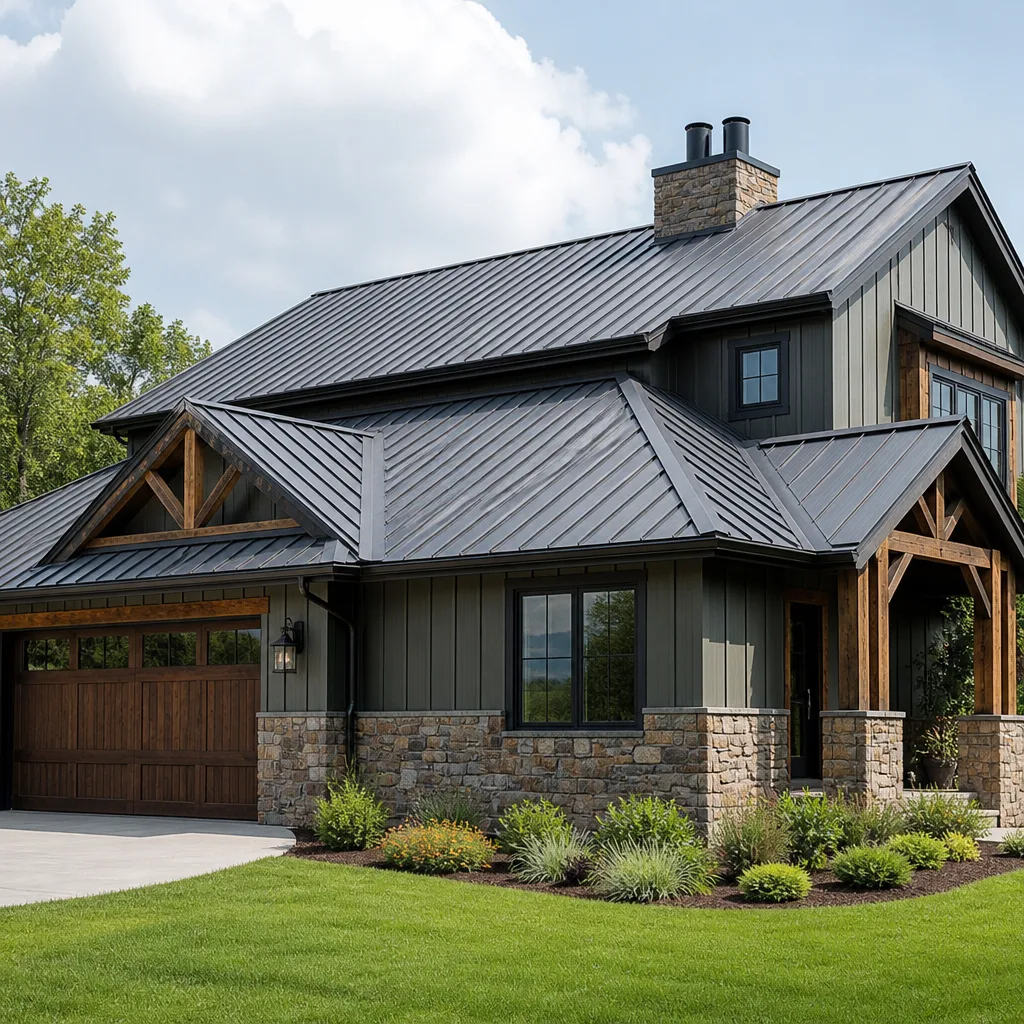
 Metal roofing
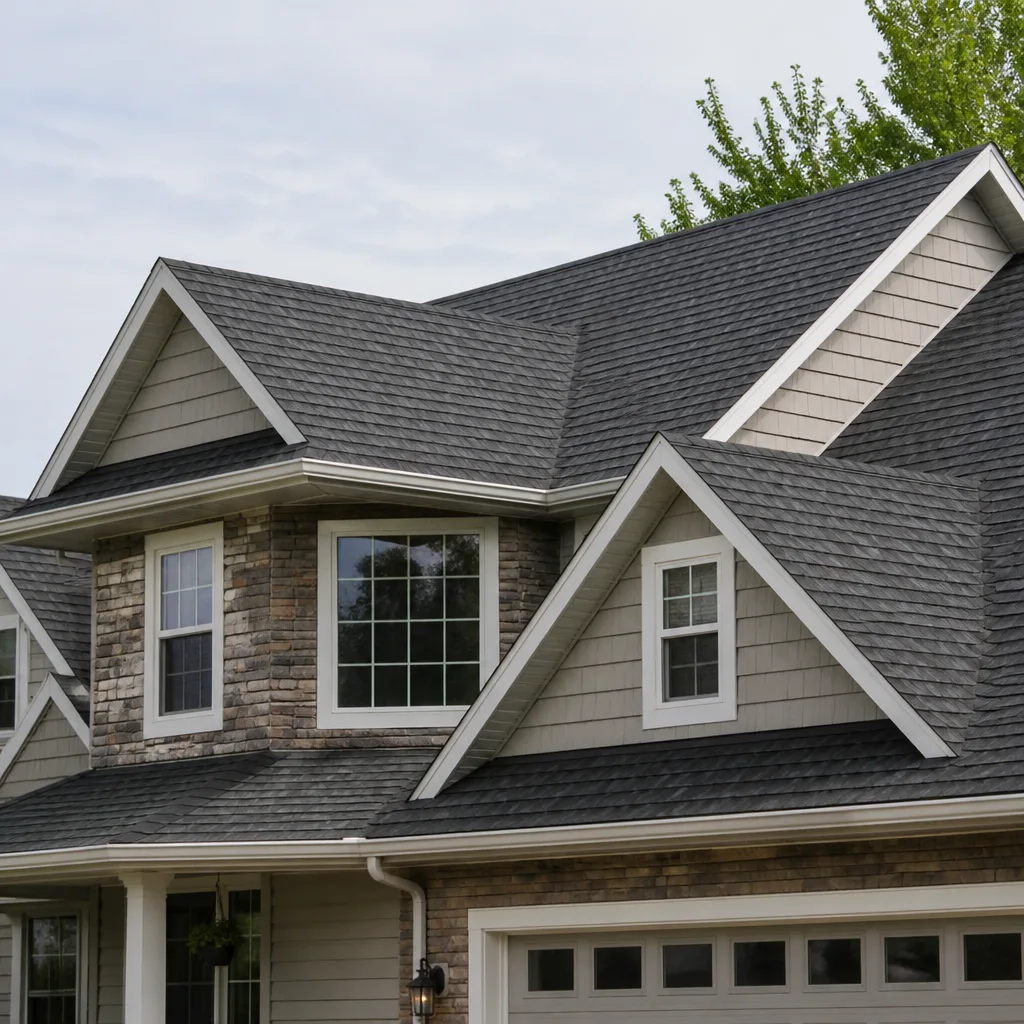 Architectural shingles
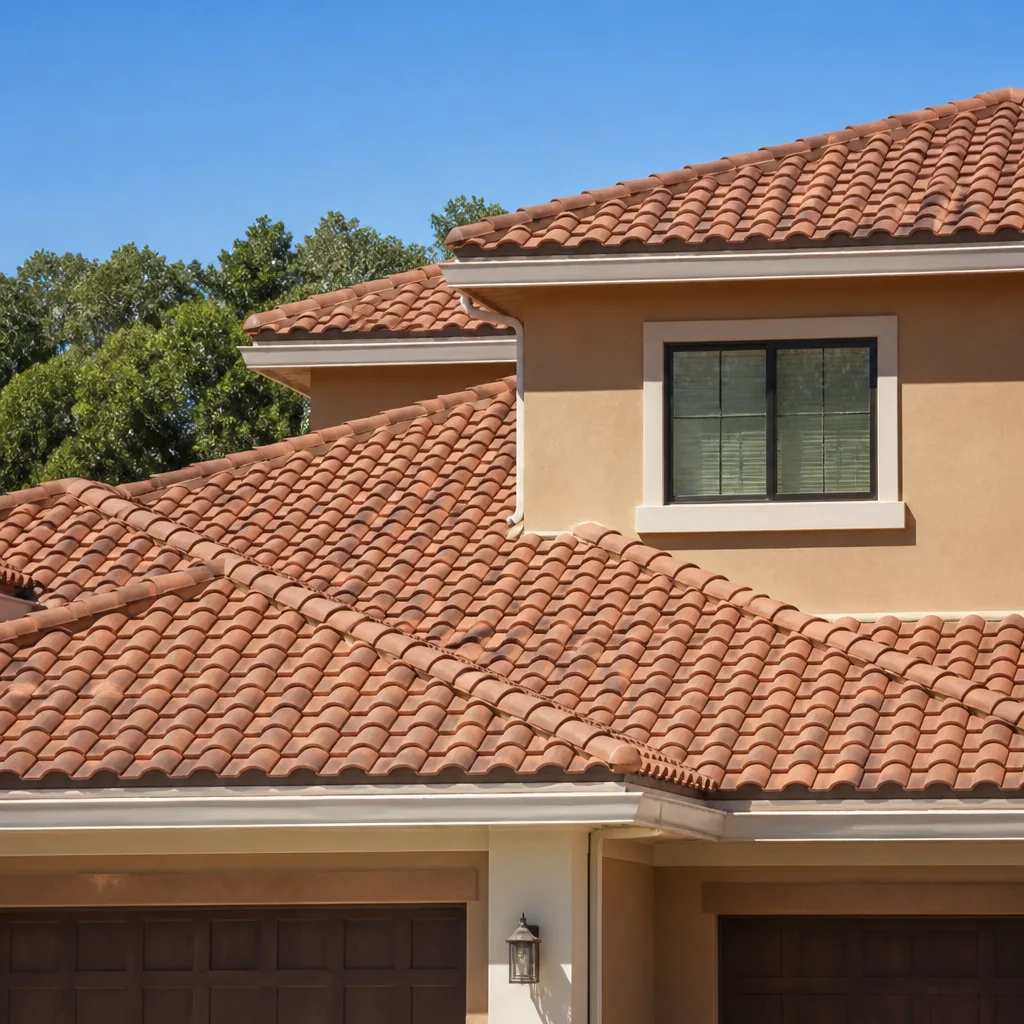 Tile roofing
 GAF
GAF Owens Corning
 Flat & low-slope
Free roof inspection with deck photos before we talk money - GAF and Owens Corning certified installation
Boral Ridge Vent Installation: The Austin Owner’s Guide
Boral ridge vent installation in Austin typically runs $14 to $22 per linear foot installed, which puts most single-family homes between $420 and $880 total depending on ridge length and access. We stock Boral-compatible ridge vent and flashing on our trucks, so most jobs are done in a single visit. The way most homeowners find us: they spot granules in the gutter, notice a musty smell in the attic, or see lifted shingles along the roof peak and realize their old vent has cracked under Texas sun. If that sounds familiar, here’s what you actually need to know.
Key Takeaways:
- Installed cost for Boral ridge vent in Austin averages $14 – $22 per linear foot
- Most failures come from UV-baked plastic or wind-driven rain getting past worn baffles
- We carry Boral-compatible vent and flashing on the truck for same-visit replacement
- Every job includes a written price before work starts and a 365-day repair guarantee
Which Boral Models This Applies To
Boral roof vents fall into two broad families: the steel profile series and the plastic baffle series. The steel-profile units, common on Boral’s tile and metal panel roofs, use a corrugated vent strip that locks under the ridge cap. The plastic baffle series, found on Boral’s concrete tile and stone-coated steel lines, uses a molded baffle that sits under the cap and over the underlayment.
Here’s the compatibility gotcha we see all the time in Austin: Boral ridge vents are sized to match Boral’s specific tile contours. A generic aftermarket vent will leave a gap between the vent baffle and the underside of the tile profile, and that gap is exactly where wind-driven rain gets in during a Hill Country thunderstorm. We pull the old vent, measure the tile profile flange width, and match it, not just to Boral as a brand, but to the specific series run. If the vent came off a Boral Saxony or Verona tile line, the baffle match is different than what goes under a Boral Estate profile.
We’re an independent installer, not affiliated with Boral directly, but we work with Boral-compatible materials alongside GAF, Owens Corning, and CertainTeed stock, so you’re not locked into one supply chain when a Boral-specific part has a three-week lead time.
Styles & brands we work with
Signs Your Boral Ridge Vent Installation Is Failing
Ridge vents don’t usually fail all at once. They fail the way most roof parts do in Central Texas: slowly, then in one storm. Here are the five patterns we see most often on Boral ridge vent installations in Austin.
- Granules collecting at the gutter corners. The vent baffle rubs against the underside of the Boral tile during thermal expansion. Over ten to fifteen Austin summers, that friction wears the tile surface and sends granules downslope.
- Attic humidity that climbs after rain, not after heat. That tells us the vent is still exhausting, but moisture is getting in past a cracked baffle or lifted flashing. Dry Texas air hides this for months; the first wet October exposes it.
- A fine black grit trail just below the ridgeline. This is usually the vent’s own UV-baked plastic or oxidized steel baffle shedding. Once it starts, the vent’s structural lip is next.
- You can see daylight through the ridge joint from inside the attic. That’s not ventilation; that’s a missing or shifted vent strip. Water follows the same opening.
- The ridge cap tile sits higher on one side than the other after a wind event. The Boral cap pieces are heavy, and when the vent under them compresses, the cap tilts. That tilt channels water into the vent channel instead of over it.
If you’re seeing any of these, the fix is usually a vent and flashing swap, not a full roof replacement. But catch it before the next big storm, because a failed Boral ridge vent in Austin means water sits on your roof deck where the sun never bakes it off.
See the difference
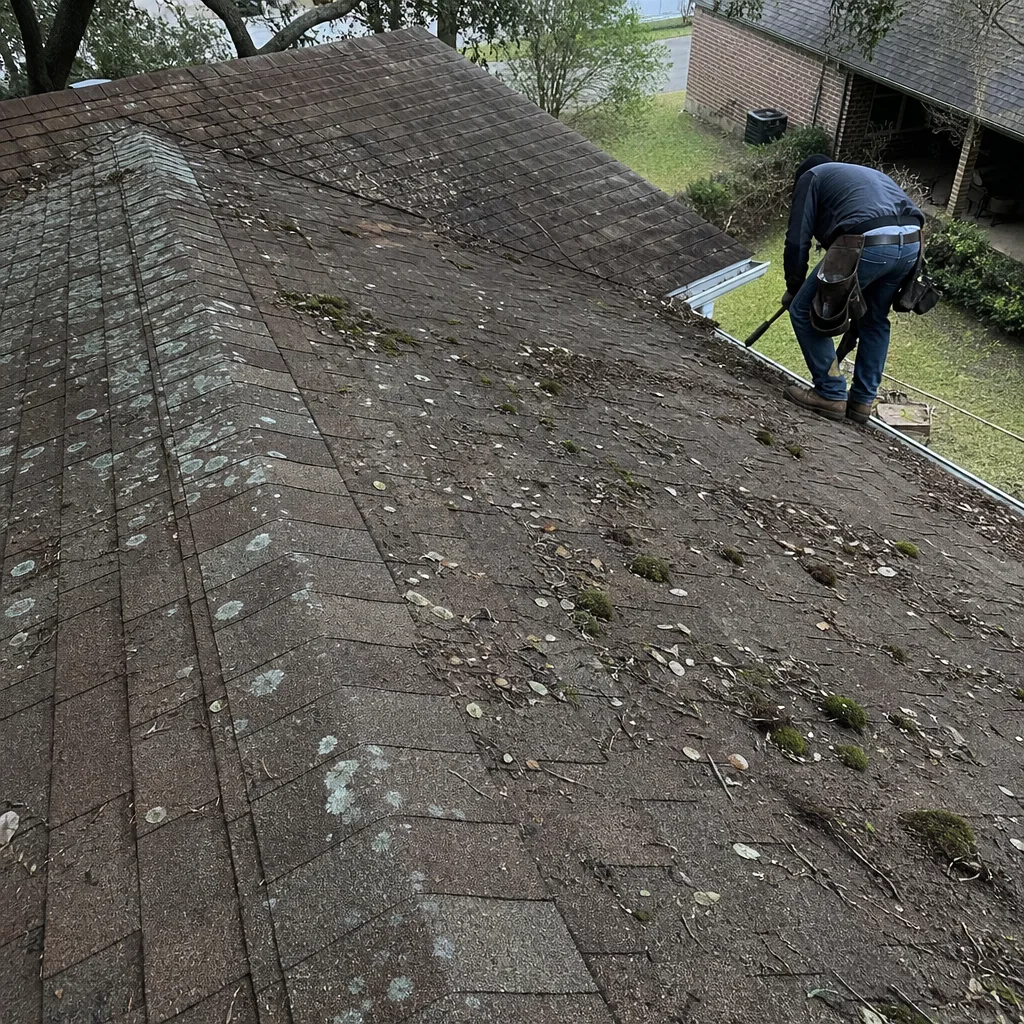 Before
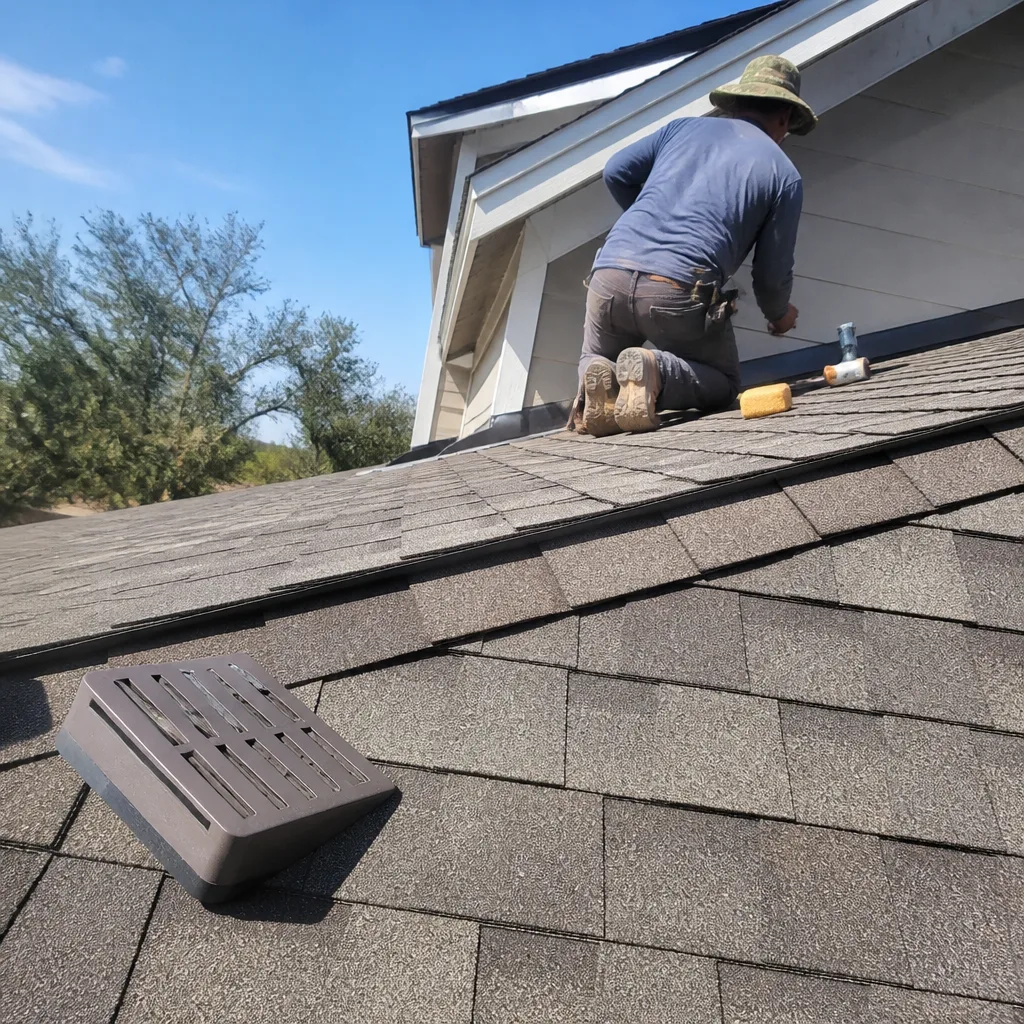 After
After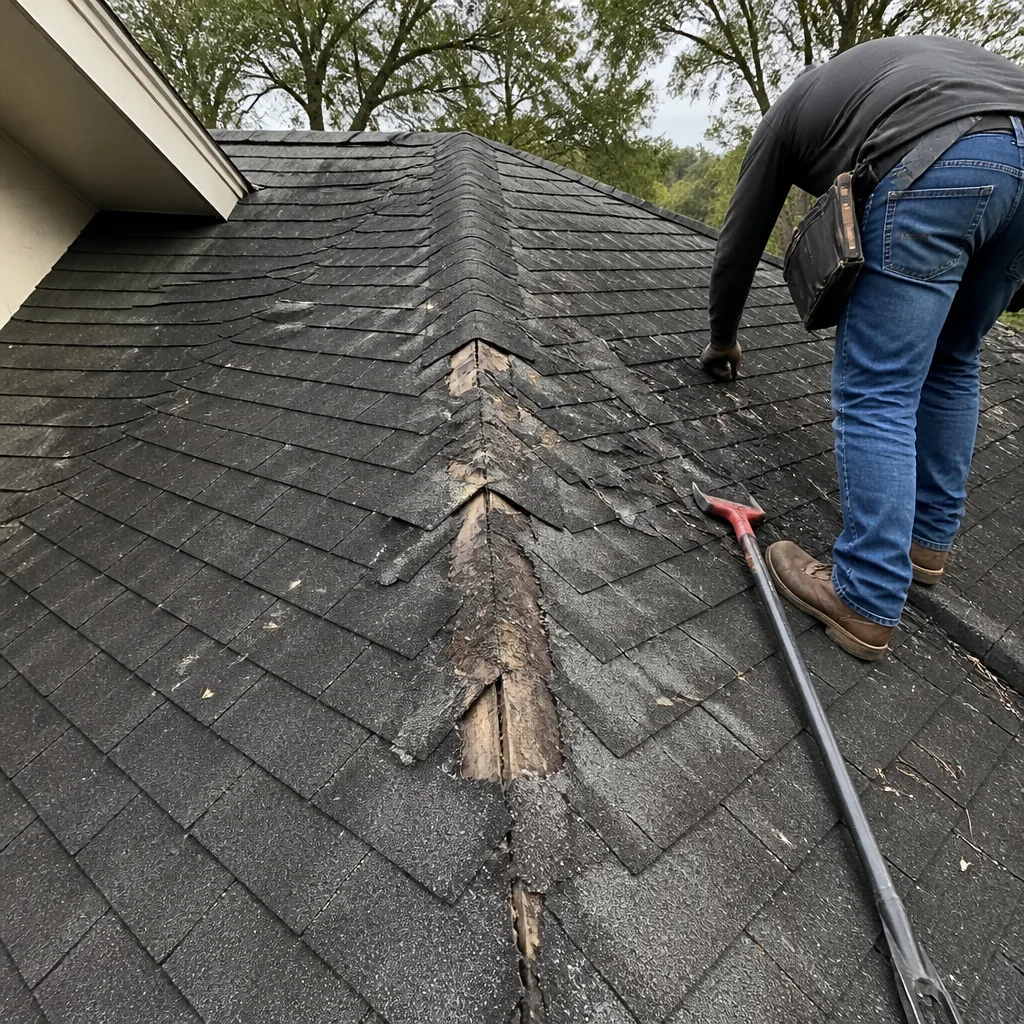 Before
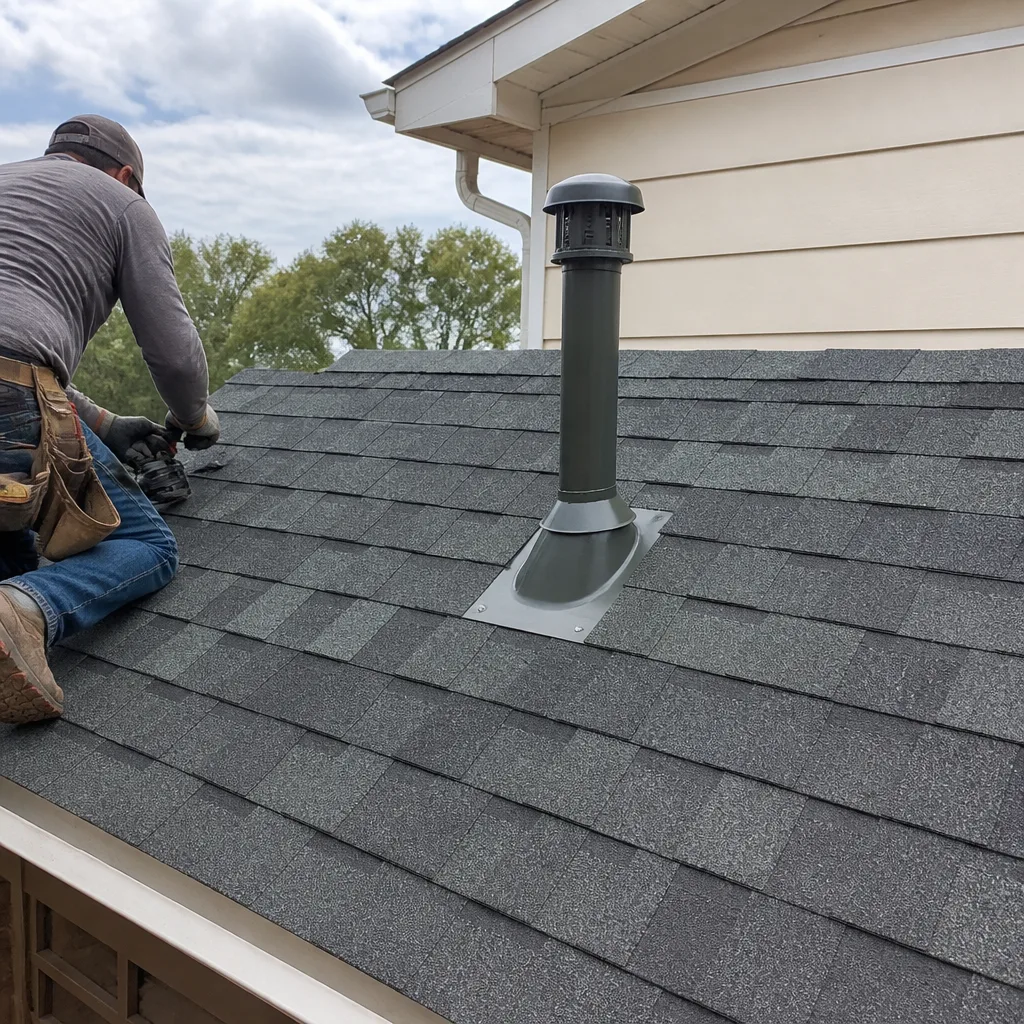 After
After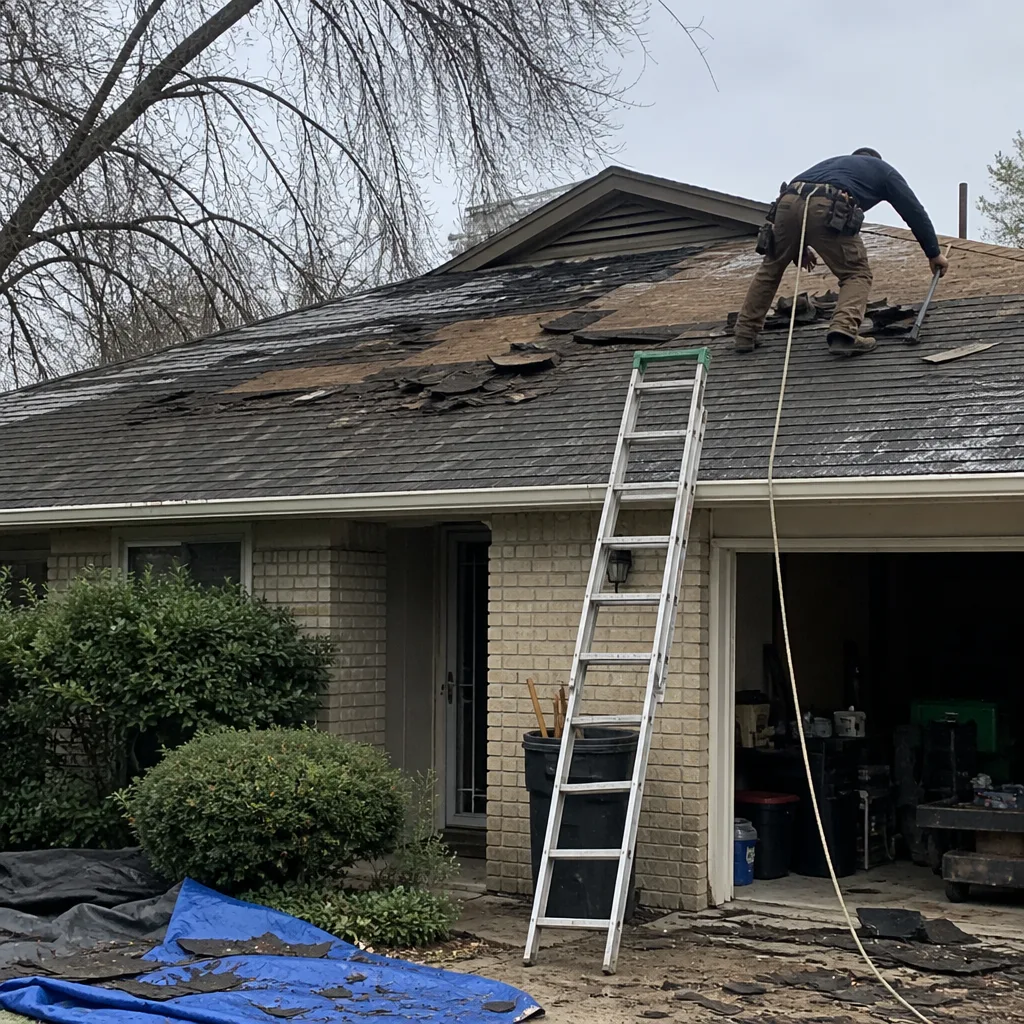 Before
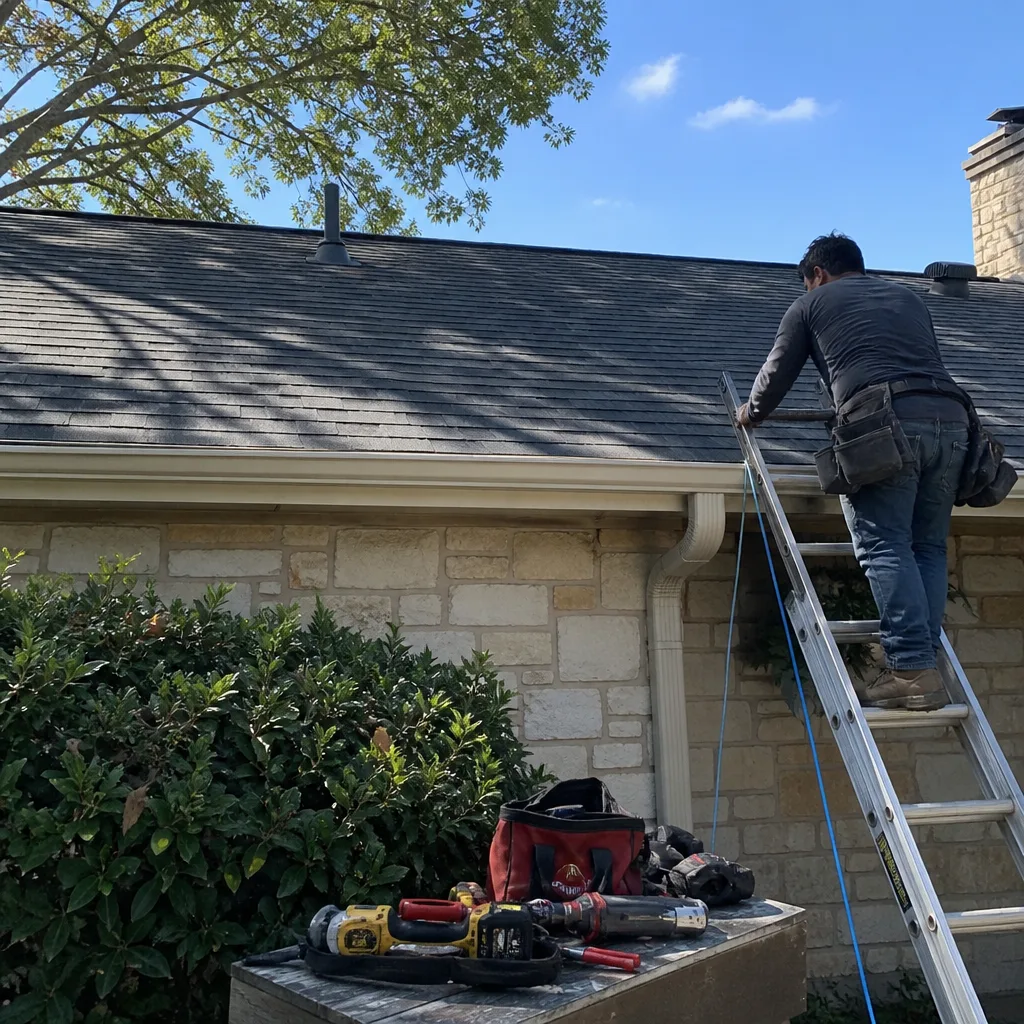 After
AfterReplacement Cost & What’s Included
Boral ridge vent replacement in the Austin market runs $14 to $22 per linear foot installed. For a typical 30 to 40 foot ridge line, you’re looking at $420 to $880. The price moves on three things: how long the ridge run is, whether we need scaffold or ladder access to a steep pitch, and whether the existing underlayment at the ridge is still sound enough to accept new fasteners.
Here’s what that price includes, in writing, before we put a ladder on the house:
- Removal and disposal of the failed vent and old flashing
- Boral-compatible vent baffle and ridge flashing matched to your tile or panel profile
- Re-securing the ridge cap with new fasteners and sealant
- Before-and-after photos of the ridge line
- The 365-Day Done Right Promise, on paper, covering the repair for a full year
We’ve seen quotes in Austin jump from $450 to $900 once a roofer gets on the roof and “finds” extra work. Our number doesn’t move unless you ask for additional scope. You’ll get the price in writing first, and the invoice will match it. If you’re comparing bids, ask the other guy whether their Boral-compatible vent is profile-matched to your specific tile line. That answer will tell you a lot.
DIY or Call Us?
Ridge vent work sits at the top of the roof, on the steepest part of the pitch. Austin roofs run 6/12 to 12/12 through the hills, and a 12/12 pitch is a 45-degree angle where footing gets genuinely dangerous. This is not a Saturday-with-a-ladder job. If you want to inspect first, that’s smart: look at the ridge cap from the ground with binoculars, and check the attic for day light at the peak. That’s useful information to give us on the phone.
What you don’t want is to lift Boral tile yourself. Those tiles are heavy and brittle at the edges, and when one cracks, you’re now doing a tile repair plus a vent repair. The vent replacement itself requires pulling the cap tile, cleaning the substrate, setting the new baffle flat on the felt, then re-bedding the cap so it seats evenly on the vent profile. If the baffle isn’t flush, rainwater pools against the vent lip instead of shedding off it, and you’ve recreated the exact problem you paid to fix.
We answer 24/7 at (254) 587-6371, and we’ll give you a straight price range over the phone before we ever schedule. If it’s not in writing, it’s just a conversation.
FAQs
Expect 8 to 15 years from a Boral ridge vent in the Austin climate. The plastic baffle versions die earlier because UV and attic heat cycles embrittle the baffle lip; the steel-profile versions last longer but fail at the fastener line when the cap tile moves in high wind. Most Austin homeowners replace the vent once during the life of the roof. Call (254) 587-6371 and we’ll tell you honestly whether yours is still doing its job.
Rarely. If a single section of baffle cracked and the flashing is still tight, a sectional splice can buy you a year. But Boral profile tiles seat against the vent as a continuous line, and a spliced baffle creates a high spot that lifts the cap and lets water in. In our experience, replacement is the cheaper fix over three years. We’ll show you the failed section in the photos before we recommend anything.
Most Boral ridge vent replacements on a standard Austin single-story home take one visit, usually four to six hours from setup to cleanup. Steep two-story pitches add time because every piece rides up on a hoist instead of by hand. You’ll get a trackable arrival window, and the tech’s name and photo before they show up, so you know exactly who’s walking your roof.
We stock Boral-compatible ridge vent baffles and flashing in the common profiles on our trucks, so most replacements don’t need a return trip. If you have a less common Boral series, we can usually pull it from our Austin supply house within a day or two. Pricing is on the written quote either way, so there’s no surprise line item after the fact.
Need a real number instead of a range? Call (254) 587-6371 for a free estimate. We’ll ask a few questions, text you a price range, then put the final number in writing before any work starts. That’s how we do every job, Boral ridge vents included.
Written by Dylan Pace, Owner, Crestview Roofing Co Austin at Crestview Roofing Co Austin, serving Austin and nearby areas.