
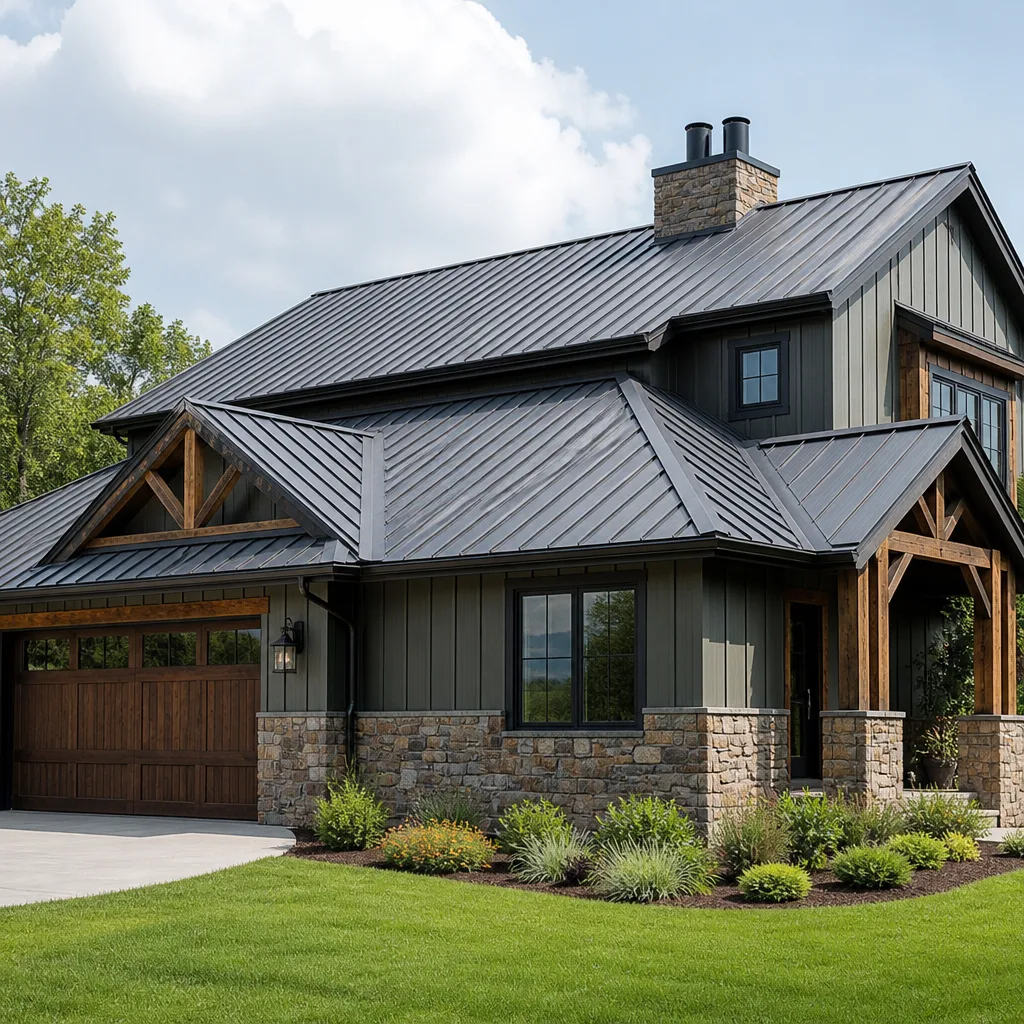
 Metal roofing
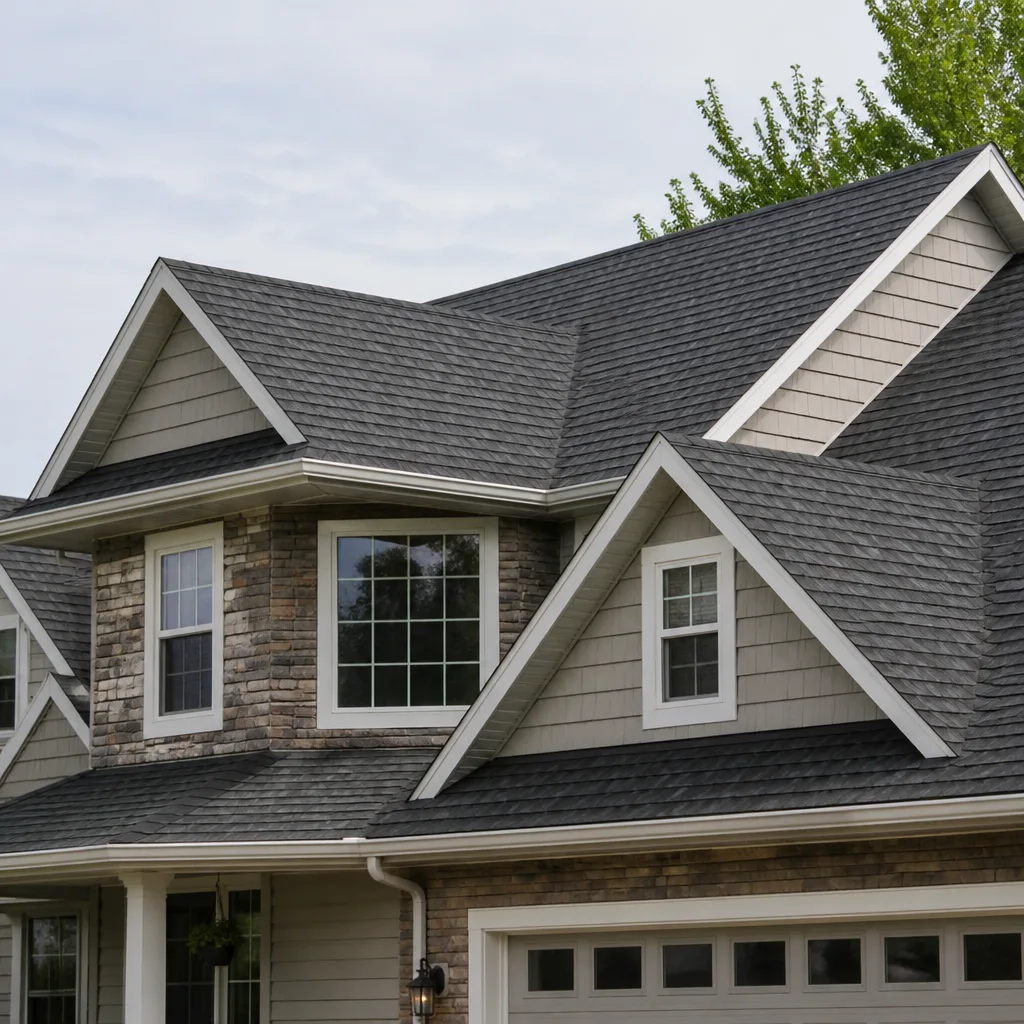 Architectural shingles
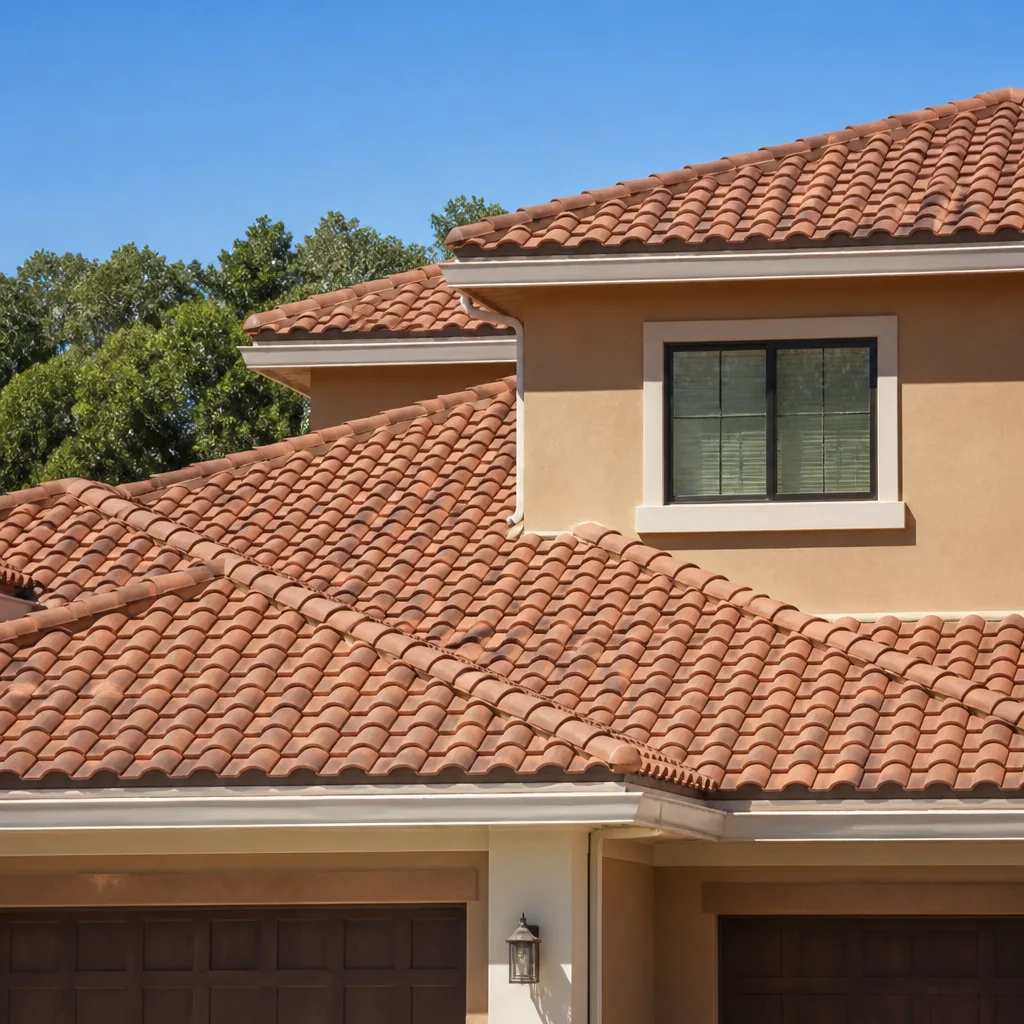 Tile roofing
 GAF
GAF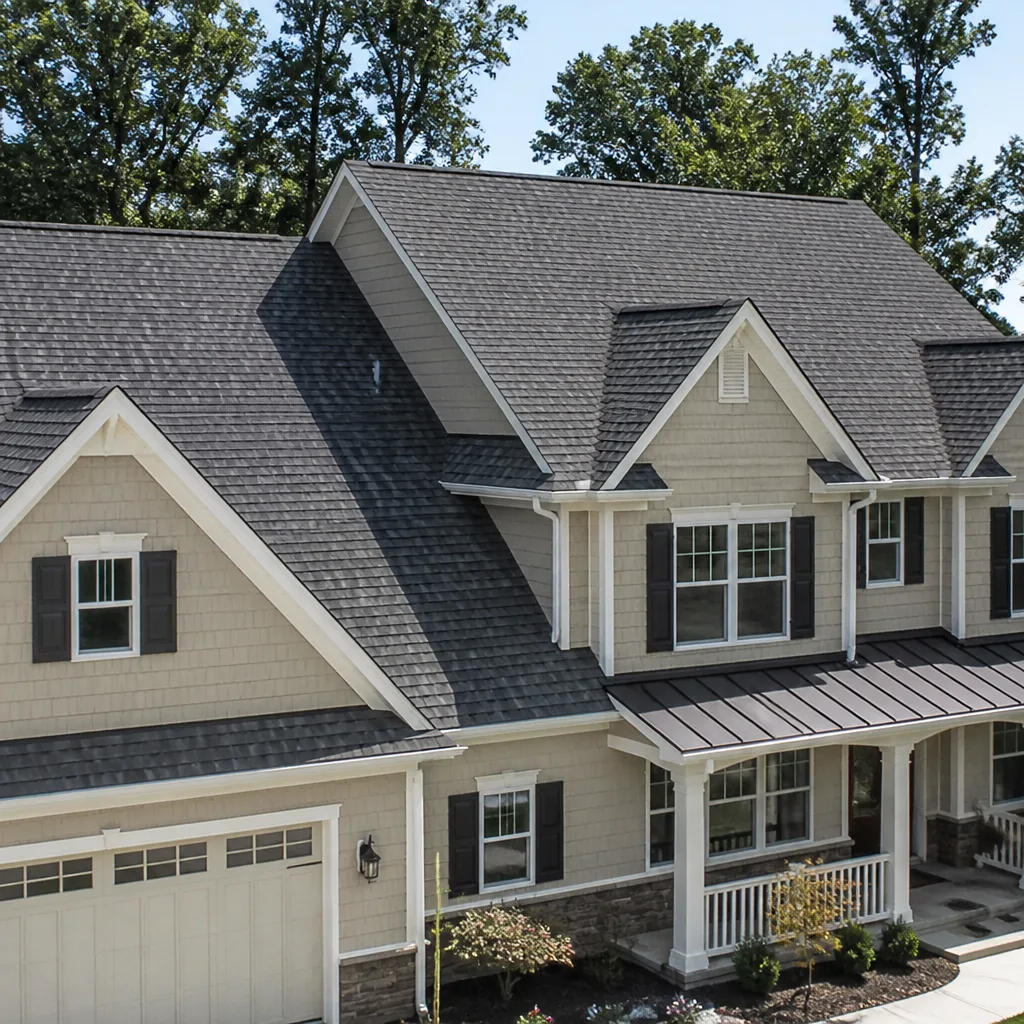 Owens Corning
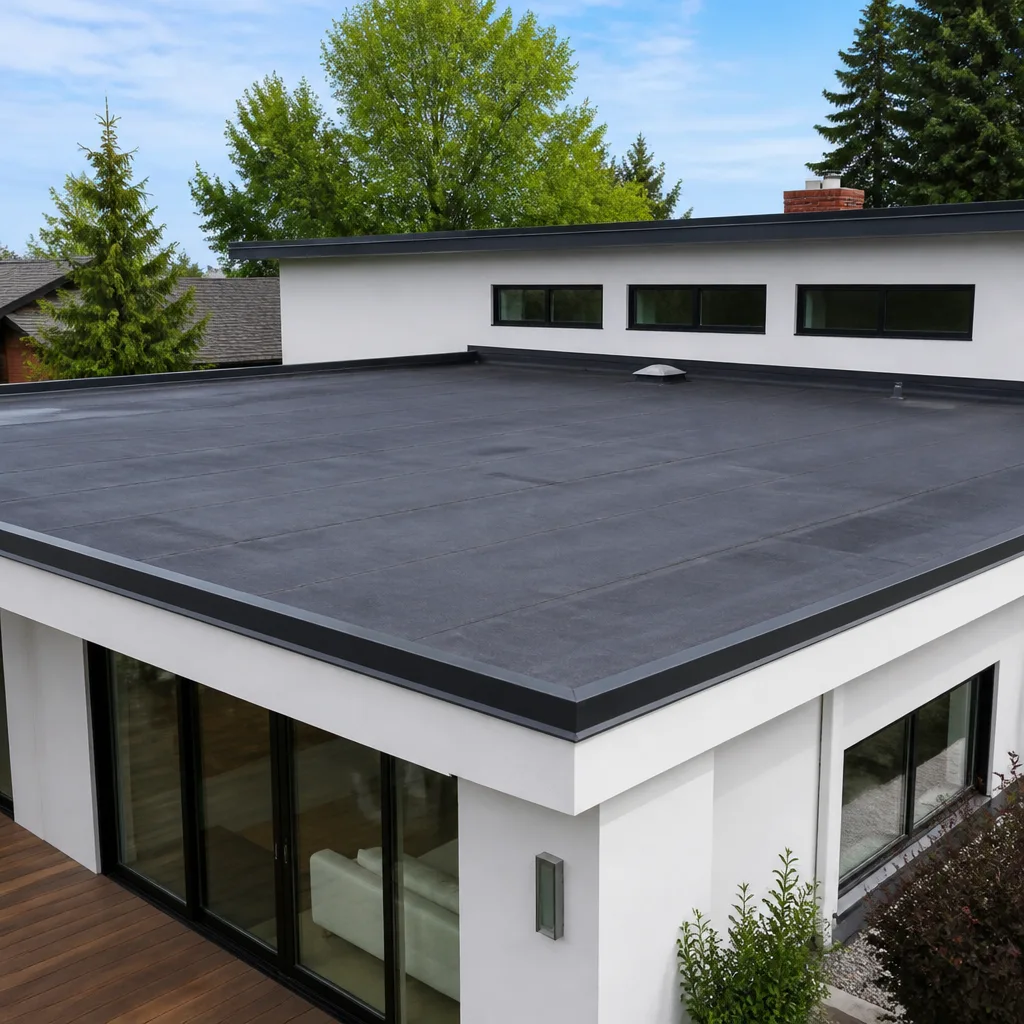 Flat & low-slope
Free roof inspection with deck photos before we talk money - GAF and Owens Corning certified installation
Atlas Underlayment & Deck Repair: The Austin Owner’s Guide
We stock and install Atlas-compatible underlayment and deck repair materials across Austin, with most standard repairs running $350 – $850 installed depending on deck condition and square footage. Same-day or next-day service is available in most cases once we’ve assessed the deck. If your Atlas underlayment is showing wrinkles, buckling, or water stains on the ceiling below, that’s usually how owners discover the moisture barrier has failed – and by then, the deck itself often needs attention too.
What surprises most homeowners is that the underlayment and deck usually need to be addressed together. The deck is the plywood or OSB layer the shingles nail into. The underlayment sits on top of it. When water gets past the underlayment, the deck rots from the top down. In Austin, our summer heat bakes underlayment until it gets brittle, and our spring storms test every seam. We see this combination constantly in neighborhoods like Tarrytown, where older Atlas roofs sit under heavy live oak canopy that holds moisture against the deck longer than it should.
Which Atlas Models This Applies To
Atlas manufactures several underlayment lines, and the compatibility question matters more than most people expect. The main products we work with are Atlas WeatherMaster, Atlas Summit Synthetic, and Atlas GlassMaster – each with different thicknesses and exposure ratings. WeatherMaster is the most common on Austin homes, typically installed in the 4-foot by 250-foot rolls. Summit Synthetic runs thinner and lighter, which matters if you’re adding a second layer over existing underlayment rather than doing a full tear-off.
Here’s the gotcha: Atlas underlayment is not universally interchangeable. The fastening pattern and overlap requirements differ between the synthetic and felt lines. If you patch with the wrong material, you create a seam that can channel water instead of shedding it. The roll label will list the product name and the ASTM rating – look for “ASTM D226” on felt products or “ASTM D4869” on synthetics. We match OEM Atlas product when the deck still has life left, and we’ll recommend a quality aftermarket synthetic equivalent when the deck is being fully replaced and you want to upgrade the moisture barrier at a better price point.
We’re an independent Austin roofing contractor, not affiliated with Atlas directly – which means we’re free to tell you when the OEM product is worth it and when an equivalent saves you money without cutting corners.
Styles & brands we work with
Signs Your Atlas Underlayment & Deck Repair Is Failing
- Wrinkling or ridging visible at the eaves. Austin’s summer heat causes Atlas felt underlayment to expand and contract. Once it wrinkles, water pools in the low spots and works into the seams. This is almost always a sign the underlayment has lost its ability to lie flat and channel water.
- Soft spots felt when walking the roof. If the deck feels spongy underfoot, the plywood or OSB has absorbed water and started to delaminate. This means the underlayment failed some time ago. A soft deck cannot hold nails properly, so new shingles won’t stay put even if you re-roof over it.
- Water stains on ceilings or attic rafters. Stains directly below the roof plane usually mean water has made it past the underlayment and through the deck. By the time stains show indoors, the deck section is typically compromised and needs replacement, not just a patch.
- Granules in the gutters paired with exposed underlayment. When shingles lose their granule layer, the underlayment gets direct UV exposure. Felt products especially degrade fast once the shingle above them is gone – in a Texas summer, that can happen in a single season.
- Bubbling or blisters under the shingle surface. That’s trapped moisture trying to escape. In Austin’s humidity, we see this most often on north-facing roof planes that never fully dry out between storms.
See the difference
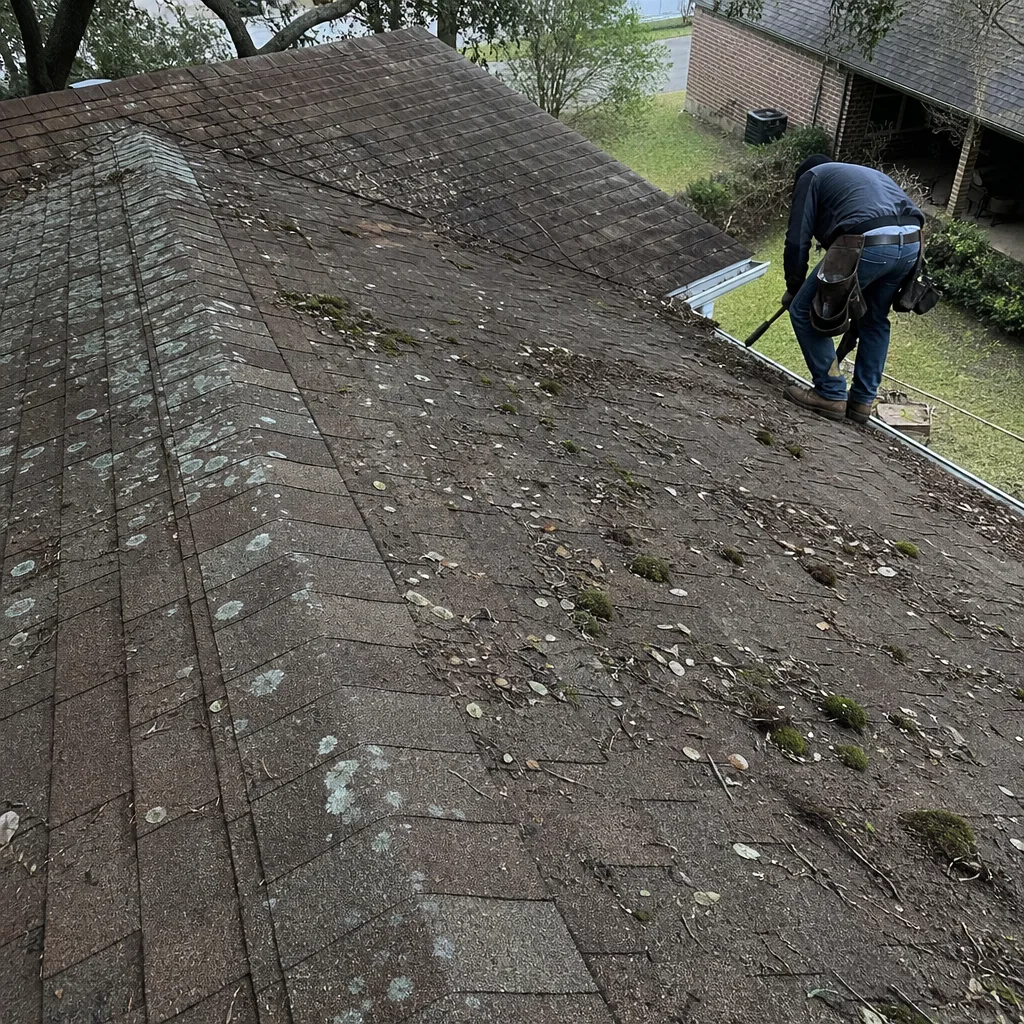 Before
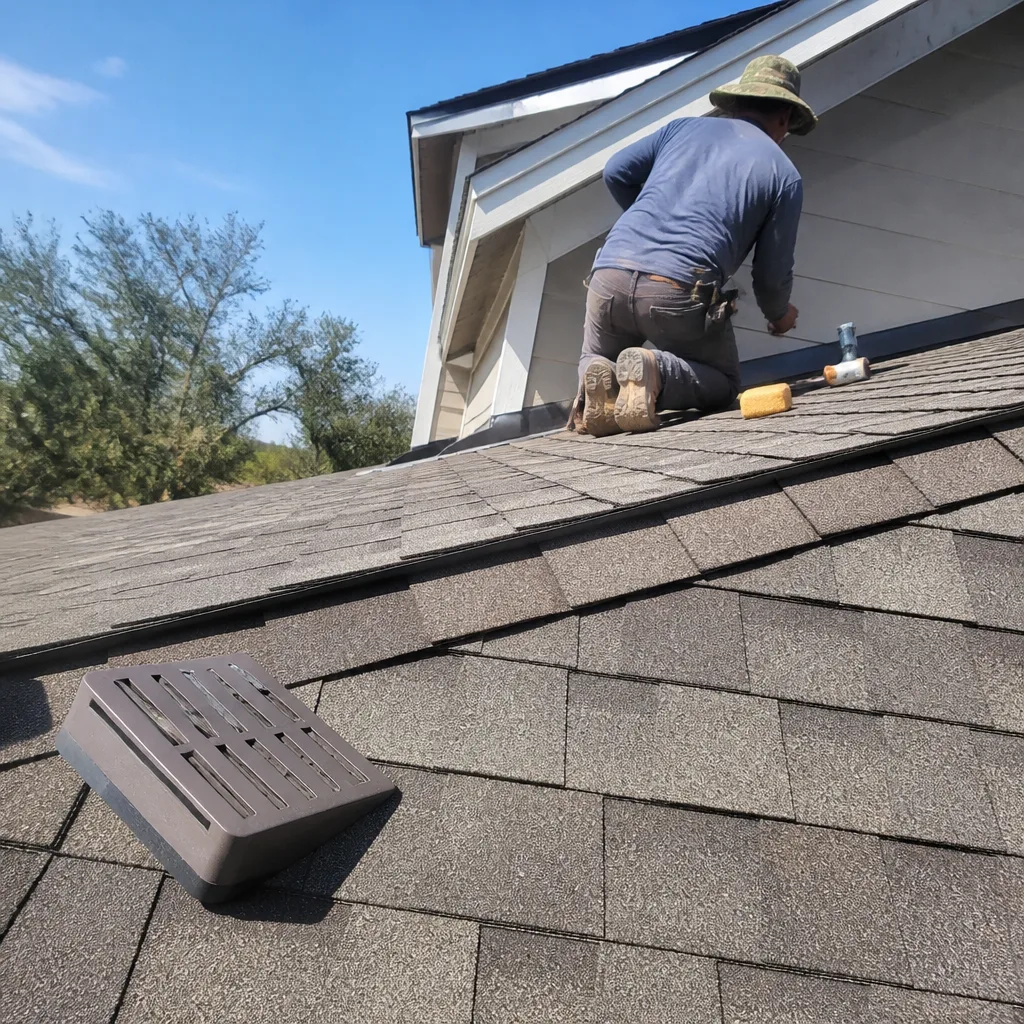 After
After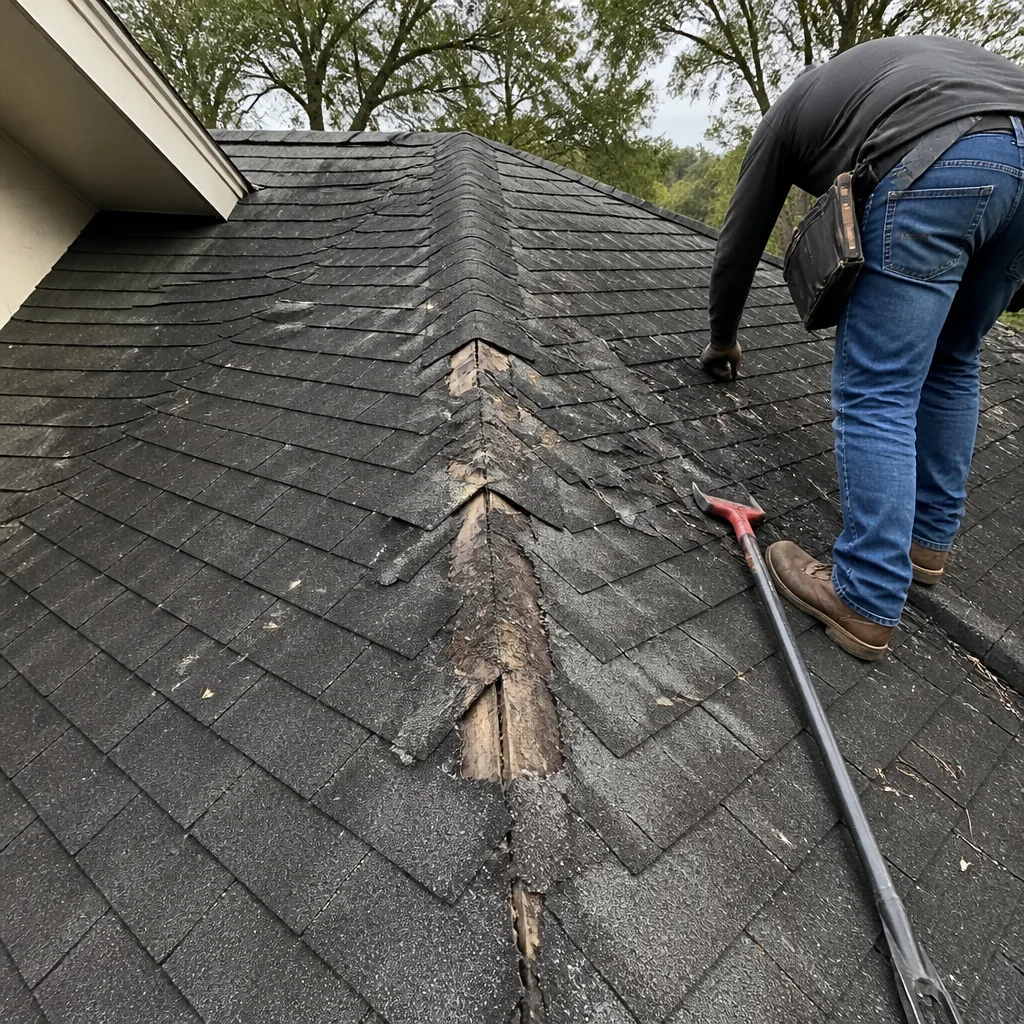 Before
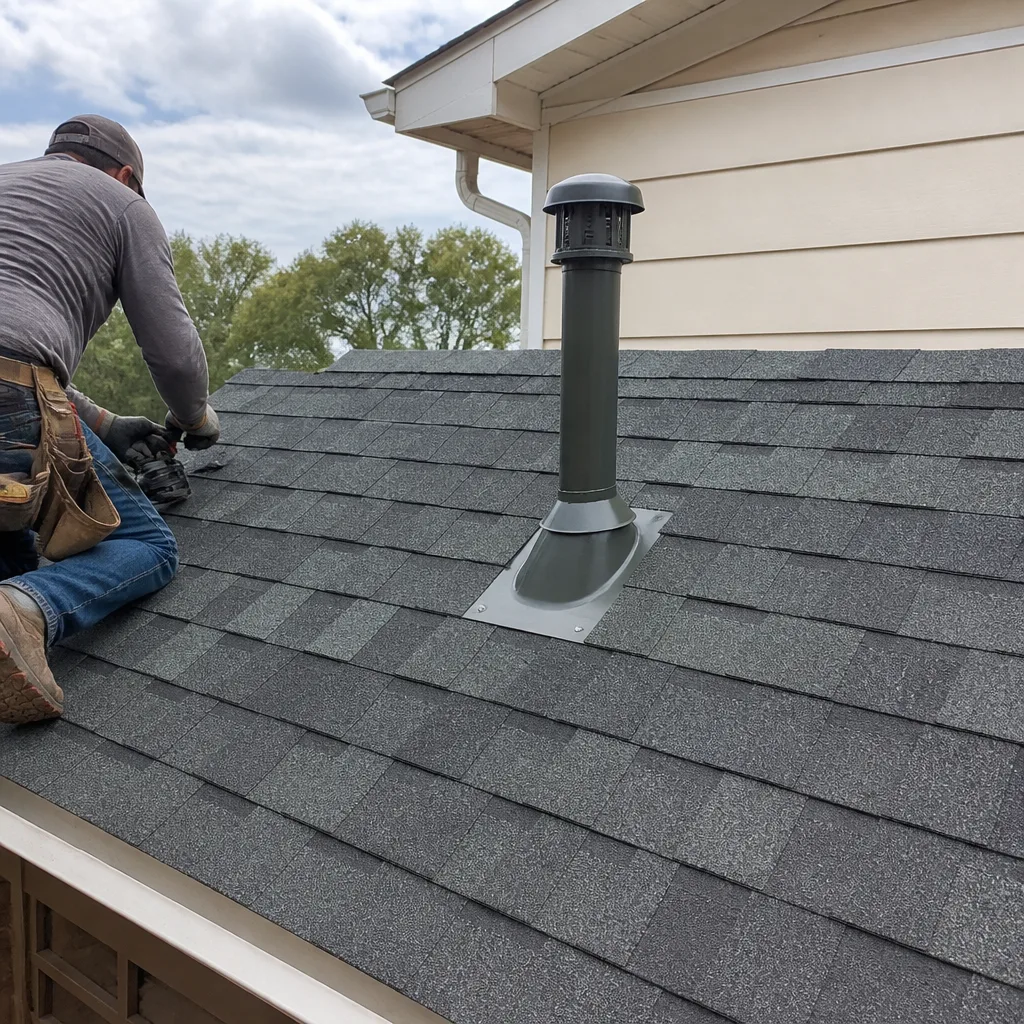 After
After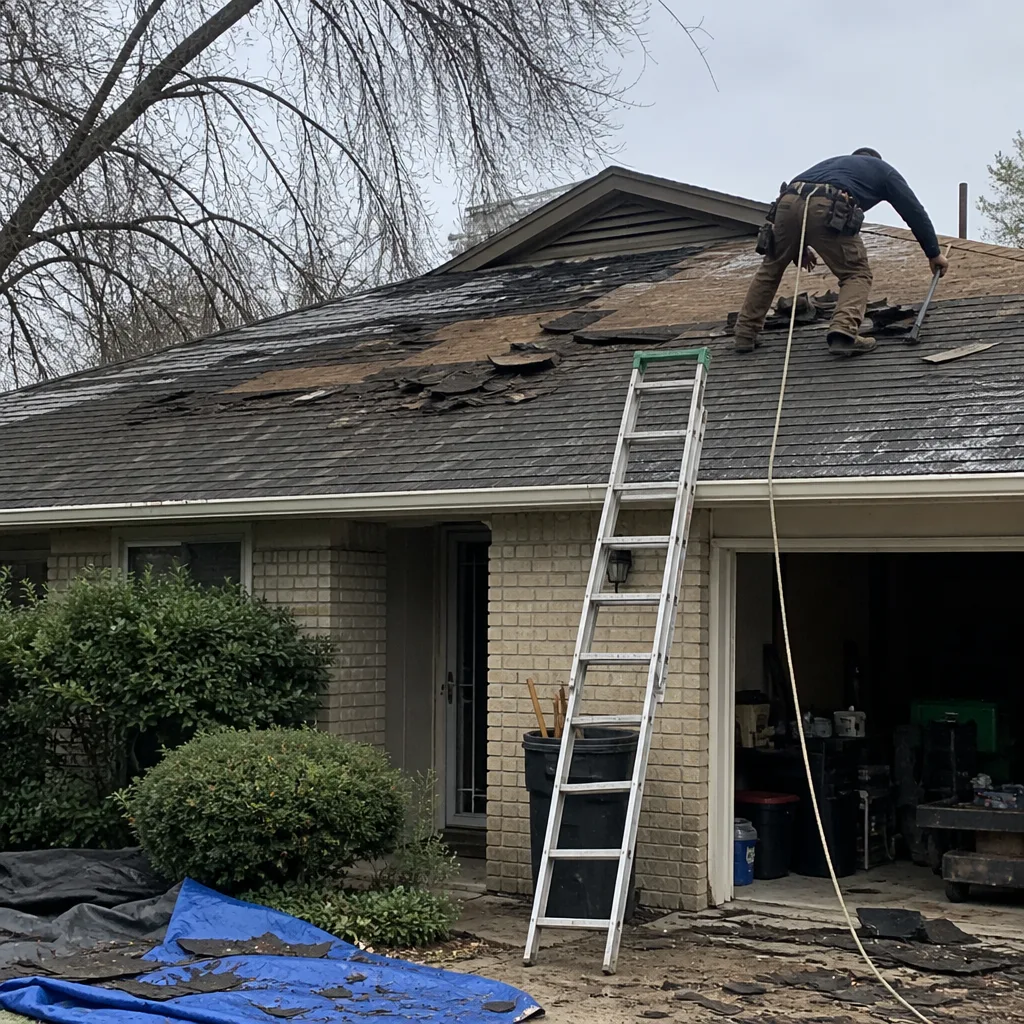 Before
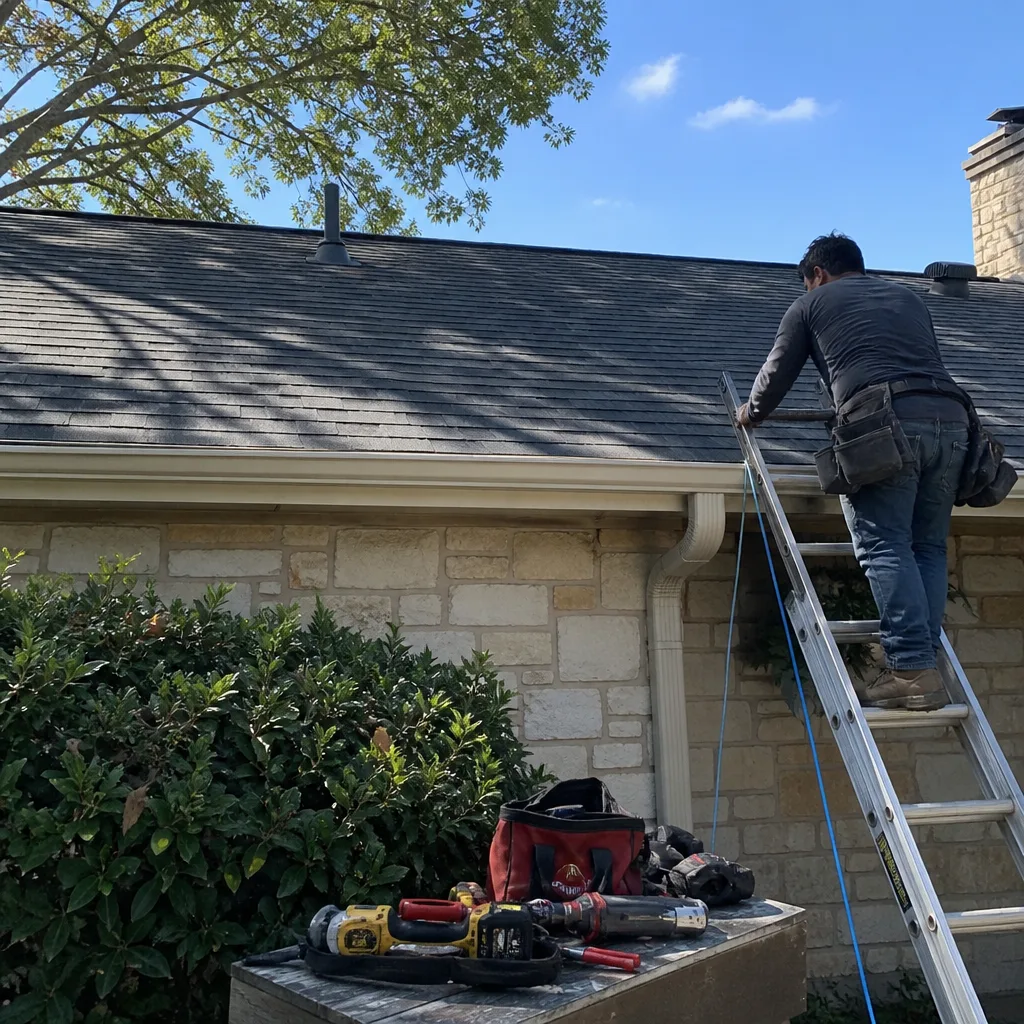 After
AfterReplacement Cost & What’s Included
For Atlas underlayment and deck repair in Austin, most jobs fall between $350 and $850 installed. A small isolated deck patch with new underlayment over a 4-by-4-foot section typically runs $350 – $450. When multiple deck sheets need replacing, which is more common on older Atlas roofs, you’re looking at $550 – $850 depending on how many 4-by-8 sheets of plywood or OSB come out.
| Scope | Austin Price Range |
|---|---|
| Isolated deck patch + underlayment (1 sheet) | $350 – $450 |
| 2 – 3 deck sheets + underlayment | $475 – $650 |
| 4+ deck sheets + full underlayment section | $650 – $850 |
| Full tear-off and re-deck (per 100 sq ft) | $700 – $1,100 |
Every price we quote is in writing before work starts. That means the number on the estimate is the number on the invoice. We include the cost of Atlas-compatible materials, fastener replacement, debris removal, and the labor to inspect surrounding deck sections so you’re not back in six months with a new soft spot. Every repair carries our 365-Day Done Right Promise – if the deck repair fails within a year, we fix it at no charge, with no negotiation.
DIY or Call Us?
You can inspect your own attic safely: look for dark staining on the underside of the roof sheathing, especially after a rain. You can also check from the ground for missing shingles and visible underlayment. What you shouldn’t do is walk a roof that might have deck damage. A compromised deck won’t hold your weight reliably, and a fall from even a single-story Austin ranch is a hospital trip.
Deck replacement also isn’t a bolt-on job. The damaged section has to be cut out cleanly, the framing checked for rot, new sheathing fitted to the existing plane, and underlayment lapped so water always flows over the seam, not into it. If you get the overlap direction wrong, water runs under the top layer and rots the new deck within months. That’s the kind of mistake that costs more than the original repair. If you’re unsure whether your deck is sound, call us at (254) 587-6371 and we’ll put eyes on it.
FAQs
Atlas felt underlayment typically lasts 15 – 20 years when properly installed under shingles that are replaced on schedule. Synthetic Atlas products can run 25 – 30 years. But Austin’s heat and humidity mean any underlayment exposed to direct sunlight degrades within one to two seasons. Call (254) 587-6371 if you can see underlayment from the ground – that’s a repair that shouldn’t wait.
Yes, if the deck is still sound, we can replace just the underlayment section. We test the deck by probing for soft spots and checking fastener grip before making that call. When the deck passes, an underlayment-only repair is the most affordable fix. An inspection is free, so call (254) 587-6371 and we’ll tell you which situation you’re in.
Most single-sheet deck repairs with new underlayment run two to four hours, including cleanup. Larger multi-sheet replacements usually complete same-day. We’ll give you the time window when we send the written estimate, and you’ll get a live arrival time the morning of the job.
We carry Atlas WeatherMaster and a synthetic equivalent on our trucks for underlayment replacements, and we keep standard 4-by-8 deck sheets ready. If you need the heavier Summit Synthetic, we can usually have it on site same-day from a local Austin supplier. Mention your Atlas product when you call so we bring the right match the first time.
If you’ve got a failing Atlas underlayment or a soft deck, call (254) 587-6371. We’ll give you a free estimate with a written price before any work starts. If it’s not in writing, it’s just a conversation.
Written by Dylan Pace, Owner, Crestview Roofing Co Austin at Crestview Roofing Co Austin, serving Austin and nearby areas.