
Last updated October 17, 2026
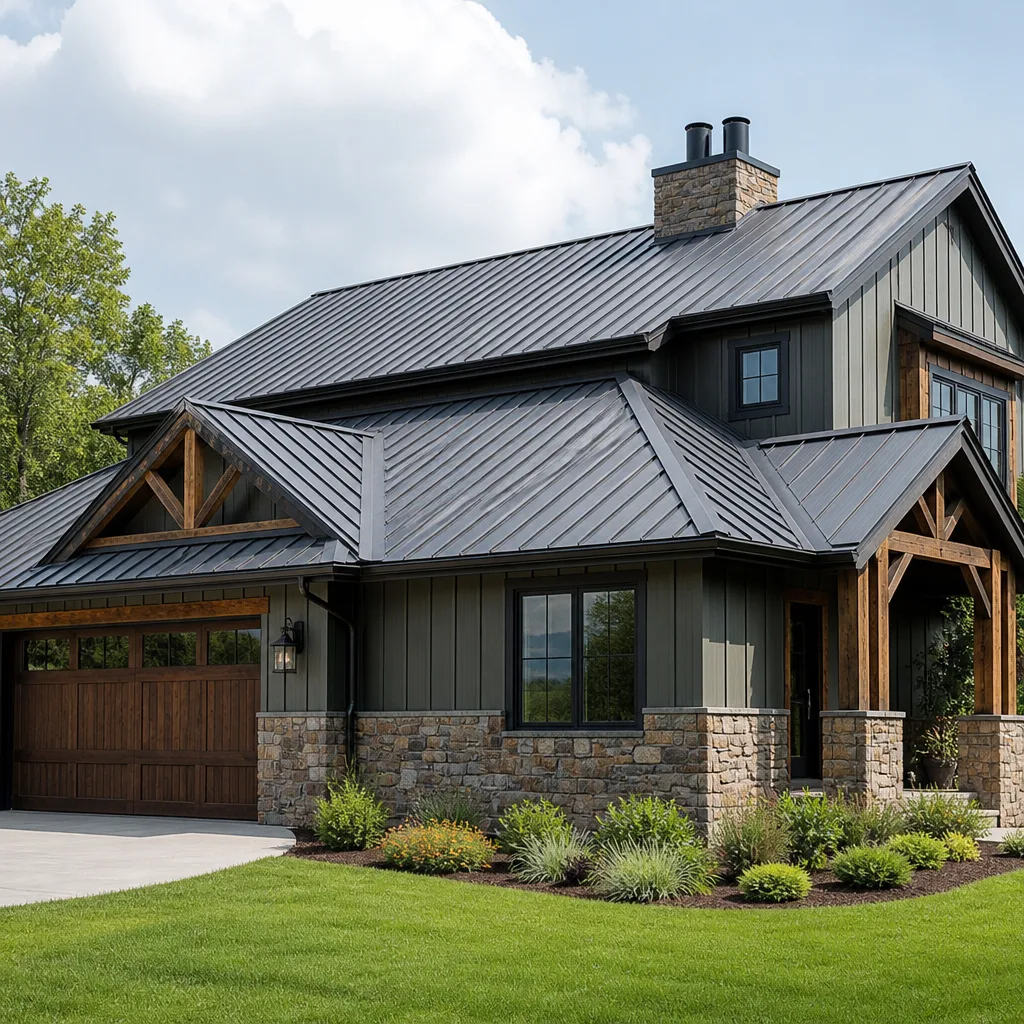 Metal roofing
 Architectural shingles
 Tile roofing
 GAF
GAF Owens Corning
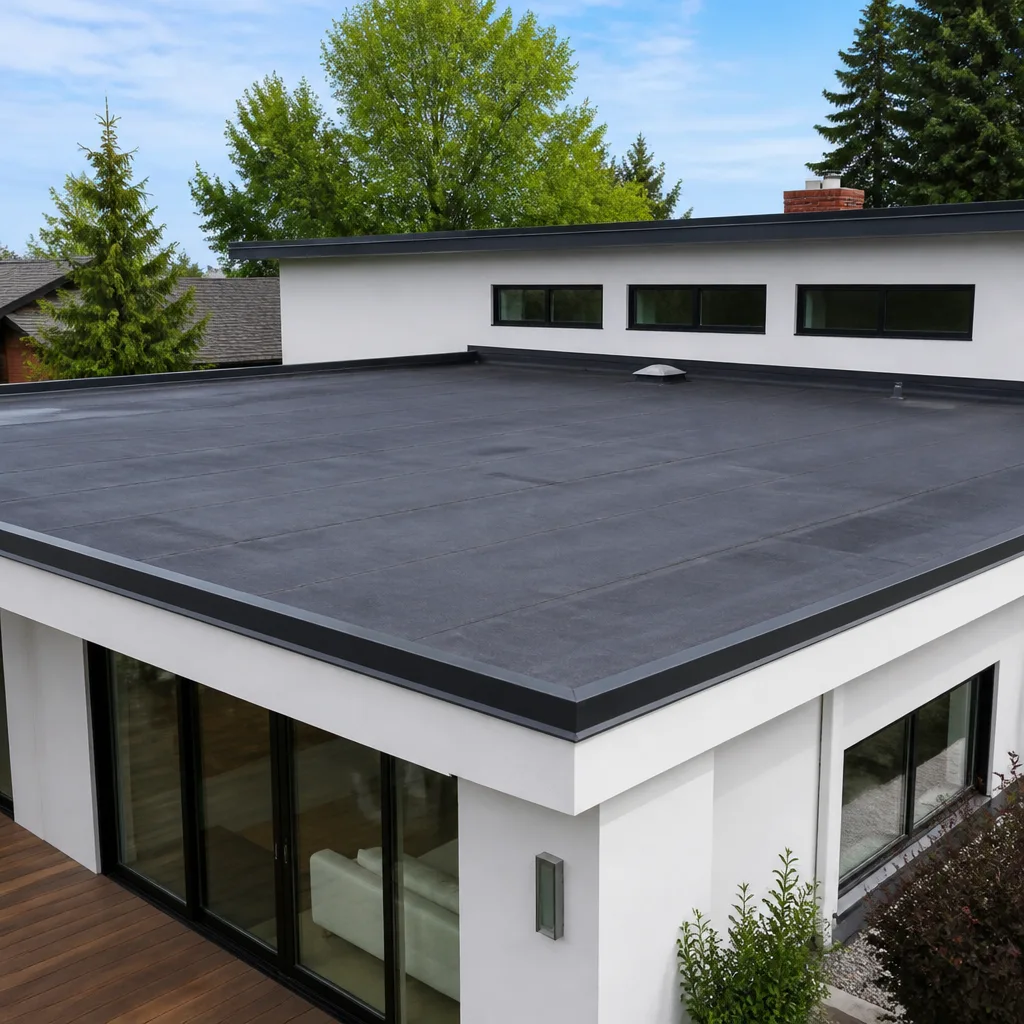 Flat & low-slope
Free roof inspection with deck photos before we talk money - GAF and Owens Corning certified installation
Roofing Warning Signs: A Austin Homeowner’s Reference Guide
Here’s a counterintuitive fact after 25 years of repairing Austin roofs: the warning signs that cause the most panic are rarely the ones that cause the most damage. A single lifted shingle photographs badly but often means nothing. A faint, tea-colored stain on a hallway ceiling that spreads a few inches a year is frequently the first visible trace of a slow leak that’s been quietly rotting your roof deck for two seasons. Most online guides list symptoms without ever telling you which ones deserve a phone call this week versus which ones belong on a “keep an eye on it” list, but our Complete Guide to Roofing in Austin covers the full picture. This reference guide from Crestview Roofing Co Austin gives each warning sign a time-to-action window, tuned specifically to the way the Austin, TX climate accelerates some failures and forgives others. By the time you finish, you’ll know what you’re looking at, what it means, and whether it can wait until your next paycheck.
Styles & brands we work with
Quick Answer
The roofing warning signs that demand immediate attention in Austin are water stains on interior ceilings, daylight visible through the attic roof deck, and any exposed felt paper or bare wood on the roof surface. These indicate active water entry or structural compromise and typically warrant a professional inspection within days, not weeks. Missing shingles after a storm, granule loss on an older roof, and minor flashing gaps can usually wait a few weeks with documentation, while cosmetic issues like fading or minor moss can be monitored seasonally. When in doubt, document what you see with date-stamped photos and call a licensed roofer for an honest assessment of the urgency.
Table of Contents
- Interior Warning Signs, Ranked by Urgency
- Exterior Warning Signs Specific to Austin’s Material Mix
- How to Tell Storm Damage from Wear-and-Tear Damage
- Warning Signs That Are Actually the Contractor’s Fault
- Why Granule Loss Looks Different on a 5-Year-Old Roof vs. a 15-Year-Old Roof
- The Time-to-Action Framework: Fix Now, Fix This Season, Watch and Document
- How the Austin Climate Changes What Your Roof Tells You
- Common Mistakes to Avoid
- When to Call a Professional
- Frequently Asked Questions
- The Bottom Line
Interior Warning Signs, Ranked by Urgency
Interior warning signs are the most reliable because they don’t require a ladder. If water is showing up inside your Austin home, it has already made its way through the shingles, underlayment, and roof deck. That means the problem has been developing for a while. Here’s what each sign points to, ranked by how quickly you should act.
1. Water Stains on Ceilings: Fix This Week
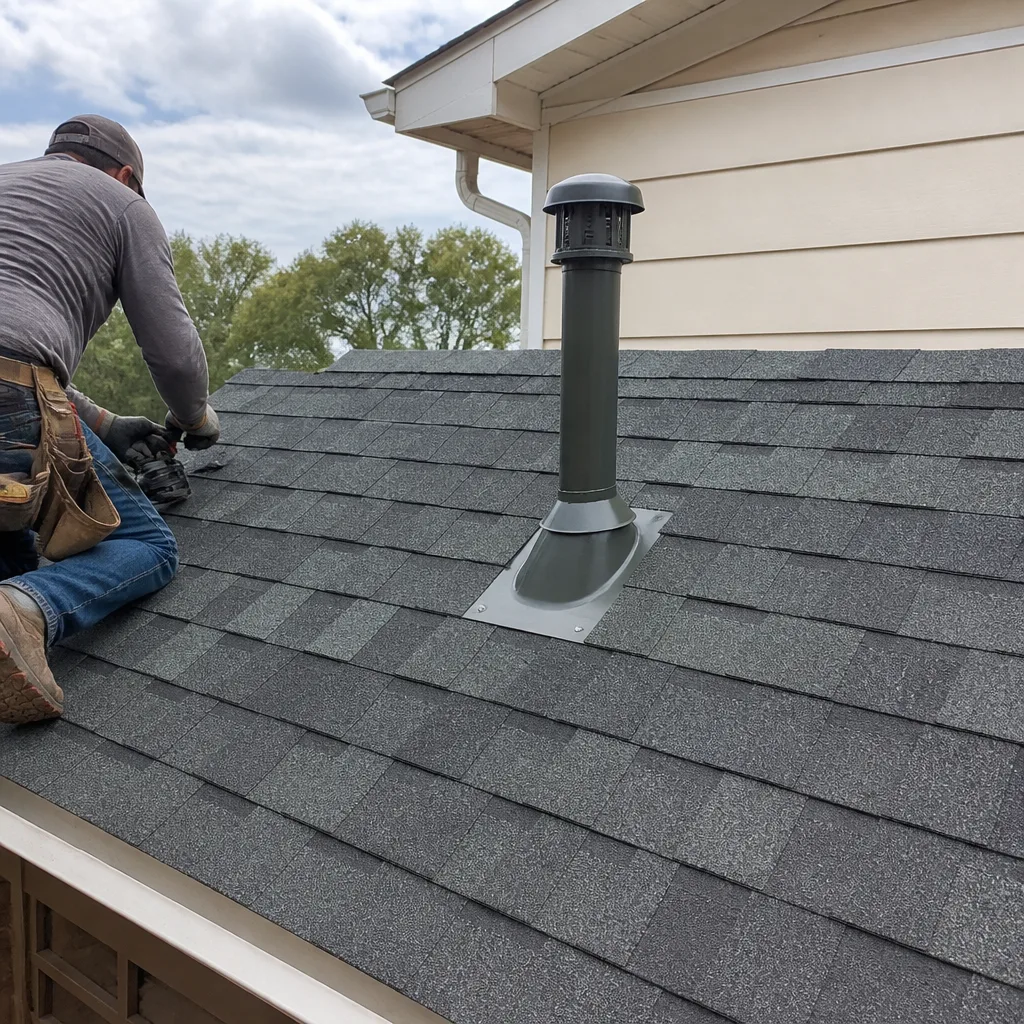
Any new water stain on sheetrock should be treated as an active leak until proven otherwise. The stain’s location tells you something about the source. A stain directly under a roof valley often points to a clogged valley or failing flashing where two roof planes meet. A stain near an exterior wall frequently traces back to a leak at the roof edge, where the drip edge is missing or was installed incorrectly. A stain that appears near a bathroom exhaust fan or plumbing vent pipe points to a failed pipe boot, the rubber gasket that seals the pipe penetration. In our experience across Austin neighborhoods, pipe boot failures are one of the most common sources of ceiling stains in homes built 15 to 30 years ago. The rubber in the boot degrades under Texas sun far faster than the shingles around it. A stain the size of a dinner plate typically means the leak has been active for weeks at minimum. Do not paint over a water stain. Paint hides the evidence, not the problem, and you’ll lose the visual cue that the repair failed.
2. Daylight Visible Through the Attic Roof Deck: Fix This Week
Go into your attic on a sunny day, turn off any lights, and let your eyes adjust for 60 seconds. If you can see pinpoints or slivers of daylight through the roof deck itself, not through vents, that’s a direct path for water. The roof deck is the plywood or OSB substrate beneath your shingles, and it should be a solid, light-proof surface. Daylight visible at the ridge line almost always means the ridge vent was installed without proper baffling or the ridge cap shingles have shifted. Daylight visible in the field of the roof, the main sloped area, means shingles, underlayment, and deck are all compromised. This is no longer a maintenance issue. In the attic, also look for dark, water-stained wood on the underside of the deck. The pattern tells you something. A series of small, evenly spaced dark spots often traces back to nail pops that penetrated the shingle surface beneath. One large, spreading stain traces back to a single leak point.
3. Sagging Drywall: Fix Now
A ceiling that dips, sags, or shows a visible bow under its own weight is the only interior warning sign that constitutes a safety issue. Sagging means the drywall itself has absorbed enough water to lose its structural fastening. In severe cases, wet ceilings collapse, dropping sheetrock, insulation, and standing water into the room below. If you can see a sag, the leak has saturated the drywall, not just discolored it. The roof deck above is almost certainly compromised as well. In Austin’s humid climate, this kind of saturation rarely dries on its own and becomes a mold site within days. Any sagging drywall should trigger an immediate call to a roofing professional and will likely involve opening the ceiling, repairing the roof deck, and replacing insulation before closing it back up. If you see a sag, stop trying to self-diagnose and call.
Exterior Warning Signs Specific to Austin’s Material Mix
Austin’s residential architecture runs the full range of roof materials, and each fails with a different visual signature. Learning to read the material you actually have is the single most useful skill in this guide. Here are the exterior warning signs tied to the roofs we actually work on in this city, rather than a generic list that assumes every house has three-tab shingles.
Cracked Clay Tile
Clay tile is common in Austin’s older central neighborhoods and in custom builds on the western edge of town. A cracked tile is not automatically an emergency. The tile is the first layer of defense, but most clay tile roofs in Austin are built with a waterproof underlayment beneath the tile, and that underlayment carries the real waterproofing burden. The urgency of a cracked tile depends on what’s beneath it. If you can see the underlayment through the crack and it’s intact, you have time. If the underlayment looks dry, cracked, or brittle, water is reaching the deck. Austin’s freeze-thaw cycle makes tile cracks propagate faster than in arid climates. A hairline crack from a hailstone or a dropped limb will widen over a winter as moisture gets into the crack, freezes on a cold morning, and expands. We’ve seen tiles that started with a hairline crack open up to a three-inch gap within two winters. Clay tile is also dangerous to walk on, which is exactly why so many well-meaning DIY inspections end with broken tiles. Leave tile inspection to someone who works with it regularly.
Lifted Architectural Shingles
Architectural shingles, the laminated, dimensional shingles that dominate Austin’s suburban neighborhoods, fail by lifting before they fail by cracking. A lifted shingle corner is not always an active leak. The shingle’s sealing strip may have released, but as long as the shingle above it still overlaps correctly and the nails haven’t pulled, the roof can still shed water. The issue is that a lifted shingle becomes a sail. In an Austin thunderstorm with 40 mph gusts, one lifted shingle can catch wind and tear up an entire row, taking neighboring shingles with it. That’s the scenario that turns a $400 repair into a full roof replacement after a storm. Any lifted shingle should be re-sealed or replaced before the next major weather event. Austin’s storm season runs from March through June, with a secondary round of severe weather in the fall, so check our Seasonal Roofing Care for Austin: Year-Round Homeowner’s Guide for timing your inspections. If you notice lifted shingles in February, do not wait until April.
Exposed Felt Paper
The most serious exterior warning sign you can see from the ground is exposed felt paper. Felt paper, also called underlayment, is the black or gray material you see beneath shingles. It should never be visible on a completed roof. If wind has stripped shingles and left the felt exposed, two things are true. First, the felt is a temporary waterproofing layer, not a long-term one. Felt paper degrades quickly under direct UV exposure. It might keep water out for a few weeks, but it will fail, and when it does, nothing is between your deck and the weather. Second, exposed felt means the shingles above it were not properly sealed or were already loose before the storm. That points to either an aging roof, an installation issue, or both. In Austin, our hailstorms and straight-line wind events strip roofs in surprisingly localized patterns. Two houses on the same block can have dramatically different outcomes. If you can see felt paper or bare wood from the ground, cover it with a tarp and call for an inspection. This one is always a fix-now situation.
How to Tell Storm Damage from Wear-and-Tear Damage
This distinction matters because it determines whether you’re filing an insurance claim or paying for maintenance. And insurance adjusters are not naive. They’re trained to spot the difference between storm damage and deferred maintenance, and they’ll deny a claim in a heartbeat if the evidence points to the latter. Here’s how to make the call honestly and document it in a way that protects your position.
The Storm Damage Signature
Storm damage is random. Hail impacts are distributed across the roof without a pattern, hitting some shingles and missing others. Wind damage tends to follow the roof’s exposed edges and corners, where uplift forces are strongest. The key characteristics of storm damage include circular impact marks where hailstones struck the shingle, a random distribution of damage across the roof face, damaged shingles clustered on the windward slopes, consistent damage across multiple roofs in your immediate area (check with neighbors), and damage that appears suddenly after a known weather event. When we inspect a roof after an Austin hailstorm, we photograph every damaged shingle and map the distribution. A random, scattered pattern supports a storm damage claim. A distribution that follows a puddle pattern on one slope, or that’s concentrated under a single tree branch, tells a different story.
The Wear-and-Tear Signature
Wear damage is patterned and progressive. It happens slowly, and it follows the logic of how a roof ages. Granule loss concentrated in valleys where water channels downhill. Shingle blistering concentrated on the south and west faces, where Austin’s afternoon sun pounds the surface. Curling at the shingle corners, a classic sign of age and heat cycling. Nail pops appearing in neat rows that follow the original nailing pattern. Fading that’s uniform across the entire roof, not localized to a section. These are maintenance signals, not insurance events. Filing a claim based on wear-and-tear is a losing move. It creates a claim on your record, increases your premium risk, and usually ends in a denial anyway. A good roofing contractor will tell you honestly which category you’re in before you ever call your insurance company.
Documentation That Preserves Your Options
Whether you’re leaning toward a claim or a maintenance repair, create a dated photo record. Start with wide shots that show the entire roof from each compass direction. Then get the same roof surfaces from inside the attic, if accessible. Then capture close-up damage shots with a ruler or coin for scale. Use your phone’s date and location stamp. Austin’s weather is well-documented by local meteorologists. If you can tie your damage to a specific storm date, your documentation becomes much harder to dispute. We’ve seen homeowners lose legitimate claims simply because they photographed damage weeks after the storm with no evidence establishing when it happened. Date-stamped photos from the day after the storm are worth real money.
If you’re in a position where you need to determine whether what you’re seeing is storm damage or routine aging, a professional inspection is the responsible first step. The team at Roof Repair in Austin will give you an honest read on which category you’re in, with photo documentation either way.
Warning Signs That Are Actually the Contractor’s Fault
Some warning signs have nothing to do with weather, age, or material defects. They’re the residue of a bad installation. In Austin’s competitive roofing market, where storm chasers and out-of-state crews descend after every major hail event, installation defects are more common than most homeowners realize. These signs are important because they’re typically covered by a workmanship warranty, and holding a contractor accountable requires documentation and specificity.
Improper Flashing Installation
Flashing, the metal strips that seal the joints around chimneys, skylights, vents, and roof-to-wall transitions, is the most frequently botched component on a roof. It’s also the component most responsible for leaks. The signs of bad flashing work include exposed fasteners with no sealant over them, step flashing that gaps away from the wall, caulked joints instead of properly lapped flashing, and flashing that’s not integrated into the shingle course. Caulk is the telltale sign of a shortcut. Flashing that’s properly installed is lapped so water flows over each piece without needing sealant. When a roofer caulks a flashing joint as the primary waterproofing method, they’re relying on material that will crack within a few Texas summers. If your roof is leaking at a flashing point and you can see a bead of caulk, photograph it. That’s a workmanship issue, and a good contractor will repair it under warranty. If they won’t, you have the documentation to push.
Nail Pops at Ridge Lines
Nail pops are nails that back out of the roof deck over time, pushing up against the shingle from underneath. They happen on every roof eventually, but a concentration of nail pops along a ridge line is often the signature of an installer who didn’t properly set nails during installation. The ridge is the roof’s highest stress point. When nails are driven too shallow, the deck’s natural thermal movement works them out faster. Nail pops create small entry points for water, and over time, the popped area becomes a leak. If your roof is less than five years old and you’re seeing nail pops at the ridge, document every one of them and contact the original installer. A 365-day workmanship guarantee should cover this, but many contractors count on the homeowner not knowing what a nail pop means. Now you know.
The Documentation Protocol for Workmanship Claims
If you believe a warning sign points to installation failure, create a file. Take close-up photos of every defect with date stamps. Take wide shots showing the defect’s location relative to the whole roof. Note the weather conditions at the time each photo was taken. Write down the original installation date and contractor name, if you have it. This date-stamped record is what transforms “the roofer said I’m wrong” into a straightforward warranty claim. The 365-Day Done Right Promise from Crestview Roofing Co Austin covers exactly this scenario: any covered repair that fails within 365 days is corrected at no charge, with a free second visit if the repair doesn’t hold. But the promise only works if you can show what’s failing, which is why we tell every homeowner to photograph anything that looks wrong the moment they see it.
Why Granule Loss Looks Different on a 5-Year-Old Roof vs. a 15-Year-Old Roof
Granules are the ceramic, stone-like particles embedded in the surface of asphalt shingles. They protect the asphalt from UV degradation and provide fire resistance. All shingles lose granules over time. That’s normal. What matters is the rate and the pattern of the loss.
Granule Loss on a 5-Year-Old Roof
On a roof that’s five years old or younger, granule loss should be minimal. If you’re seeing heavy granule accumulation in your gutters, a visible bald spot on a shingle, or shingles with a patchy, mottled appearance at this age, one of three problems is likely. The shingles could be defective from the batch, which happens across every manufacturer and is the reason material warranties exist. The installation could have damaged the shingle surface, usually from foot traffic during installation or from tools dragged across the rows. Or the environment could be doing something unusual to your specific roof, such as debris washing from an overhanging tree or a nearby construction site. At this age, granule loss is a warranty issue and should be investigated. We primarily install and repair with manufacturer-backed materials from brands like GAF, CertainTeed, Owens Corning, IKO, Atlas, Tamko, and Boral, which means a material defect on a young roof is usually covered and replaceable.
Granule Loss on a 15-Year-Old Roof
At fifteen years, every asphalt shingle roof in Austin’s climate is showing visible aging. The question is no longer whether granules are being lost, but how much and in what pattern. Uniform granule loss across the entire roof is normal wear. The shingles are slowly giving back their UV protection as they’re designed to do. Concentrated granule loss in valleys or behind a chimney is evidence of water flow concentrating in an area that’s doing more than its share of work, and it suggests those channels are wearing faster than the rest. Bald patches, where the asphalt is fully exposed, are the endpoint of granule loss. This is the signal that the shingle is nearly out of UV protection and is now degrading at an accelerating rate. On a 15-year-old roof, bald patches are a reasonable predictor that replacement is one to three seasons away. Once you see the asphalt surface, the shingle’s clock is running down fast. The pattern to watch for is asymmetry. If one slope is showing heavy loss and the opposite slope looks fresh, something is concentrating the wear, whether it’s sun exposure, waterflow, or a microclimate created by tree cover.
What Granule Loss in Gutters Actually Means
If you’re seeing granules in your gutters, you’re seeing the byproduct of normal aging, not necessarily a failure. Every asphalt roof sheds granules, especially in the first two years. A quarter-inch of granules in the gutter after a season is normal. A half-cup of granules in a single downspout after every rain event is not. The useful metric is the trend over time. Clean the gutters, note the date, and check again in three months. If the accumulation rate is increasing season over season, the roof is entering its failure window. In Austin, where we get our rain in seasonal bursts, tracking granule accumulation between storm seasons gives you a cleaner signal than any single observation.
The Time-to-Action Framework: Fix Now, Fix This Season, Watch and Document
Every warning sign in this guide belongs in one of three buckets. Here’s the framework we use when we walk an Austin homeowner through what we’re seeing, and it’s the same framework you can apply from the ground before you ever pick up a phone.
Fix Now: Act Within Seven Days
- Daylight visible through the attic roof deck. Any light penetration means a water penetration path. This is structural.
- Sagging drywall. Risk of ceiling collapse. Immediate safety issue.
- Exposed felt paper or bare wood. No long-term waterproofing layer between your home and the weather.
- Water stains on ceilings that are growing. Active leaks expand quickly. The stain you noticed last month should not be larger this month.
- Any leak after a recent roof replacement. This points to an installation defect and should be addressed while the workmanship warranty window is open.
Fix This Season: Act Within 30 to 90 Days
- Lifted shingles. Not an active leak, but a wind vulnerability. Deal with it before the next storm season.
- Cracked clay tile with intact underlayment. You have time, but freeze-thaw cycles will widen the crack.
- Nail pops at the ridge. Small but expanding water entry points. Best addressed before they become leaks.
- Improper flashing installation. If you’re seeing leaks at flashing points, the problem won’t self-correct. Get it evaluated.
- Heavy granule loss on a roof 10 years or older. The roof is signaling its age. Plan ahead.
Watch and Document: Reassess Quarterly
- Uniform granule loss on a roof under 10 years old. Normal aging. Track the trend, not the absolute amount.
- Fading or discoloration. Cosmetic. No structural implication.
- Minor moss or algae growth. Common in Austin’s shadier neighborhoods. Clean if it bothers you; monitor if it doesn’t.
- Isolated shingle lift after a minor storm. If the shingle above still overlaps and seals, document and watch. If it lifts further, move it to Fix This Season.
How the Austin Climate Changes What Your Roof Tells You
Austin’s climate is uniquely hard on roofs because it combines three stress factors that most regions experience separately. The result is that Austin roofs fail differently, and the warning signs can look different from what a homeowner in Dallas or Houston might expect.
The Three Austin Stress Factors
First, the heat. Austin gets roughly 100 days above 90 degrees most years, and asphalt shingles can reach 140 to 160 degrees on the hottest afternoons. That sustained heat accelerates granule loss and dries out the volatile compounds in asphalt, making shingles brittle years before a roof in a milder climate would show the same symptoms. Second, the UV intensity. Austin’s solar exposure is unrelenting, and UV is the primary driver of shingle degradation. The south and west roof faces age measurably faster than the north and east faces. An experienced Austin roofer reading a roof will look at the compass-facing slopes individually because a 15-year-old roof can look 10 years old on the north face and 20 years old on the west. Third, the storm pattern. Austin gets short, violent storm events: hailstorms in the spring, straight-line wind events in the fall, and occasional ice storms in between. These events don’t cause steady wear. They cause sudden, localized damage, often to roofs that were otherwise well-maintained. That’s why Austin homeowners should do a quick visual check after any significant storm, even if nothing looks wrong from the street.
What This Means for Your Inspection Routine
We tell every Austin homeowner the same thing: inspect twice a year, once in late winter and once in late summer, and after any major storm. Late winter catches damage from the fall storm season and prepares for the spring hail season. Late summer catches the accumulated effects of the summer heat and UV load. Document every inspection with photos. A two-year photo record of your roof gives any future contractor or insurance adjuster a baseline to compare against, and it does more to substantiate a claim than any amount of verbal description.
Common Mistakes to Avoid
- Painting over a water stain without finding the leak. The stain is your early warning system. Painting over it doesn’t fix the roof and removes your ability to see if the leak persists or worsens.
- Filing an insurance claim based on wear-and-tear. A denied claim stays on your record, and it teaches your adjuster to scrutinize everything else you file. Confirm storm damage before you call your insurer.
- Walking on a tile roof without knowing what you’re doing. Clay tile in Austin breaks easily under concentrated weight, and you can turn a $500 tile repair into a $3,000 deck repair in a single afternoon.
- Waiting until after storm season to address lifted shingles. A lifted shingle becomes a ripped-off roof section in the right wind. If you notice it in the winter, fix it before Austin’s spring storms arrive.
- Assuming a new roof can’t be the source of a leak. Installation defects are real and common after major storm seasons when out-of-state crews flood the Austin market. Age is not the only variable.
- Ignoring the trend in your gutters. A quarter-inch of granules per season is normal. A half-cup per downspout after every rain is not. The trend is the message.
- Having a roofer check only one roof face. South and west faces age faster. If the inspection doesn’t evaluate each compass-facing slope independently, you don’t have the full picture.
When to Call a Professional
Call a professional the moment you see daylight through your attic deck, sagging drywall, exposed felt paper, or a growing water stain. These are the four signs that indicate active water entry or structural compromise, and none of them self-correct. For everything else, take photos, note the date, and get a professional assessment on your timeline. An honest roofer will tell you when something can wait, and that answer is worth more than a thousand Internet diagnoses. If you’re in Austin and want a straight read on what you’re seeing, Crestview Roofing Co Austin home offers free estimates at (254) 587-6371. We’ll inspect what you’ve documented, tell you what’s urgent and what isn’t, and put the price in writing before any work starts.
Frequently Asked Questions
Most standard repairs in Austin, such as replacing a few shingles or resealing a flashing point, run between $350 and $800 depending on the materials and the roof’s pitch. More involved repairs, like replacing a section of water-damaged deck or re-flashing a chimney, typically run $1,200 to $3,500. The only way to know your actual number is an inspection, but you should never accept a quote that doesn’t come in writing before work begins. Call (254) 587-6371 for a written, line-item estimate from Crestview Roofing Co Austin.
A well-installed architectural shingle roof in Austin typically lasts 15 to 20 years, with the south and west faces showing visible aging by year 12 to 15. Tile and metal roofs routinely last 40 years or more. Your actual lifespan depends on ventilation, installation quality, and whether you address minor issues before they compound.
In most cases we can. If the repair is straightforward and the homeowner approves the written price on site, our crews often complete the work the same day. The workmanship on every repair is covered by the 365-Day Done Right Promise, so if it doesn’t hold, we return at no charge.
Not with us. Crestview Roofing Co Austin delivers a written price before any work begins, and the number on that page is the number on the invoice. The only time a price changes is if you ask us to do additional work, and even then, it’s approved in writing before we add it.
Take one wide shot from each compass direction, one close-up with a ruler or coin for scale, and one shot of the interior evidence, such as a ceiling stain. Date-stamp each photo. A consistent photo record is the strongest evidence you can create for either an insurance claim or a workmanship warranty.
In most cases, roof repairs that don’t alter the roof structure or layout don’t require a permit, but full replacements and structural repairs often do. A qualified Austin roofer will tell you what’s needed for your specific job and handle the permitting process. We’d rather show you the permit than explain why we skipped it.
The Bottom Line
Every roofing warning sign is trying to tell you two things: what’s wrong and how much time you have. The homeowner who learns to read both signals makes better decisions than the one who treats every sign as an emergency or ignores every sign as normal aging. In Austin, the climate turns small problems into big ones faster than in most markets, which is why the time-to-action framework in this guide is the most valuable tool you can carry. Document what you see, assign it a bucket, and act accordingly. When you don’t know, ask someone who does. Crestview Roofing Co Austin gives every homeowner a free, honest read on their roof, with a written price before any work begins and a 365-day guarantee on every repair. Call (254) 587-6371 when you’re ready to know what your roof is telling you.
Written by Dylan Pace, Owner at Crestview Roofing Co Austin, serving Austin since 2000.
See the difference
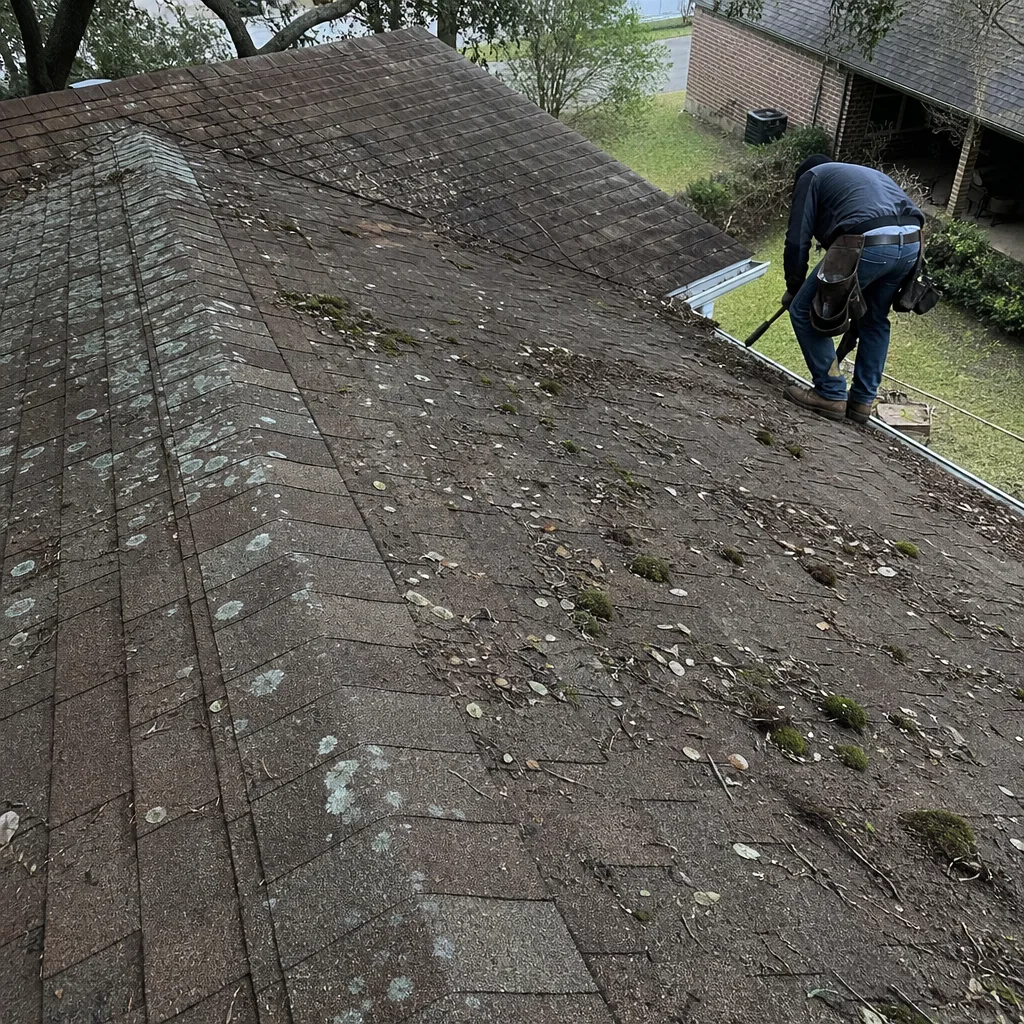 Before
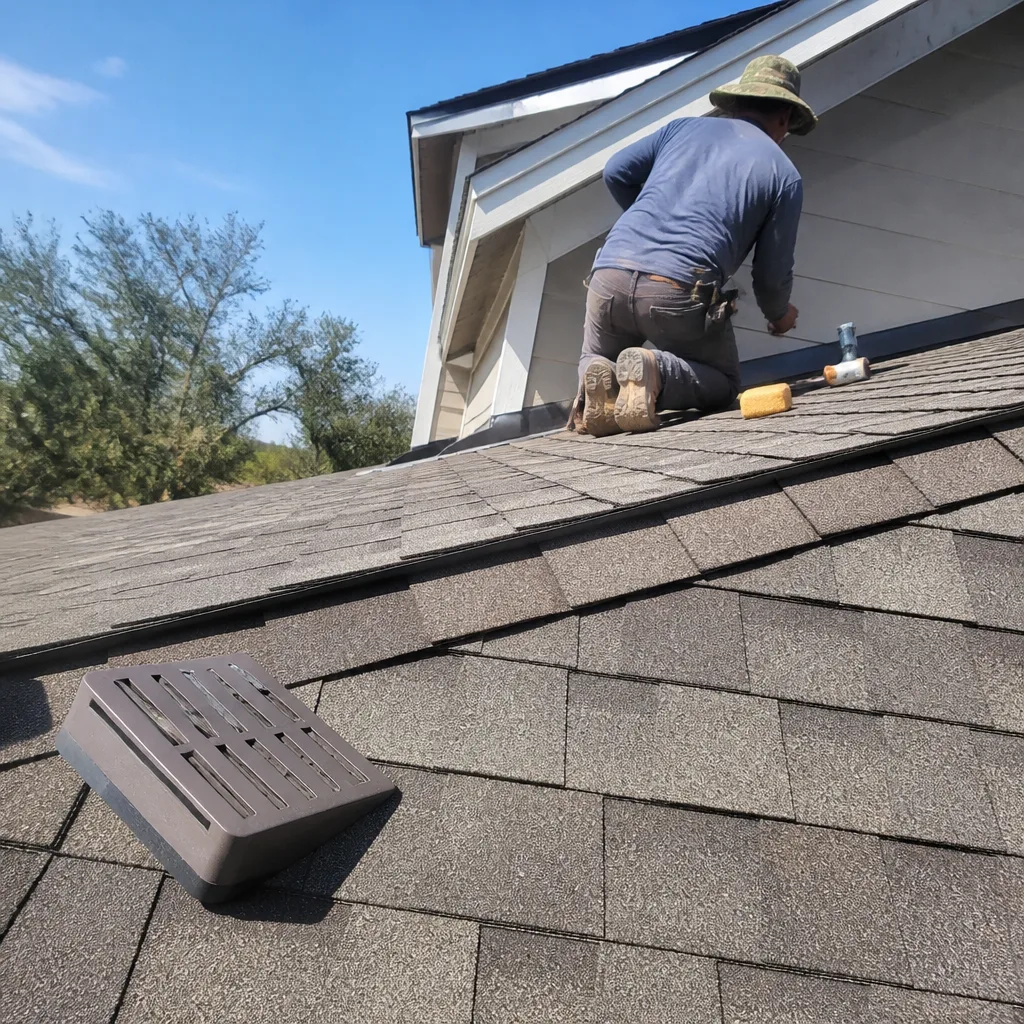 After
After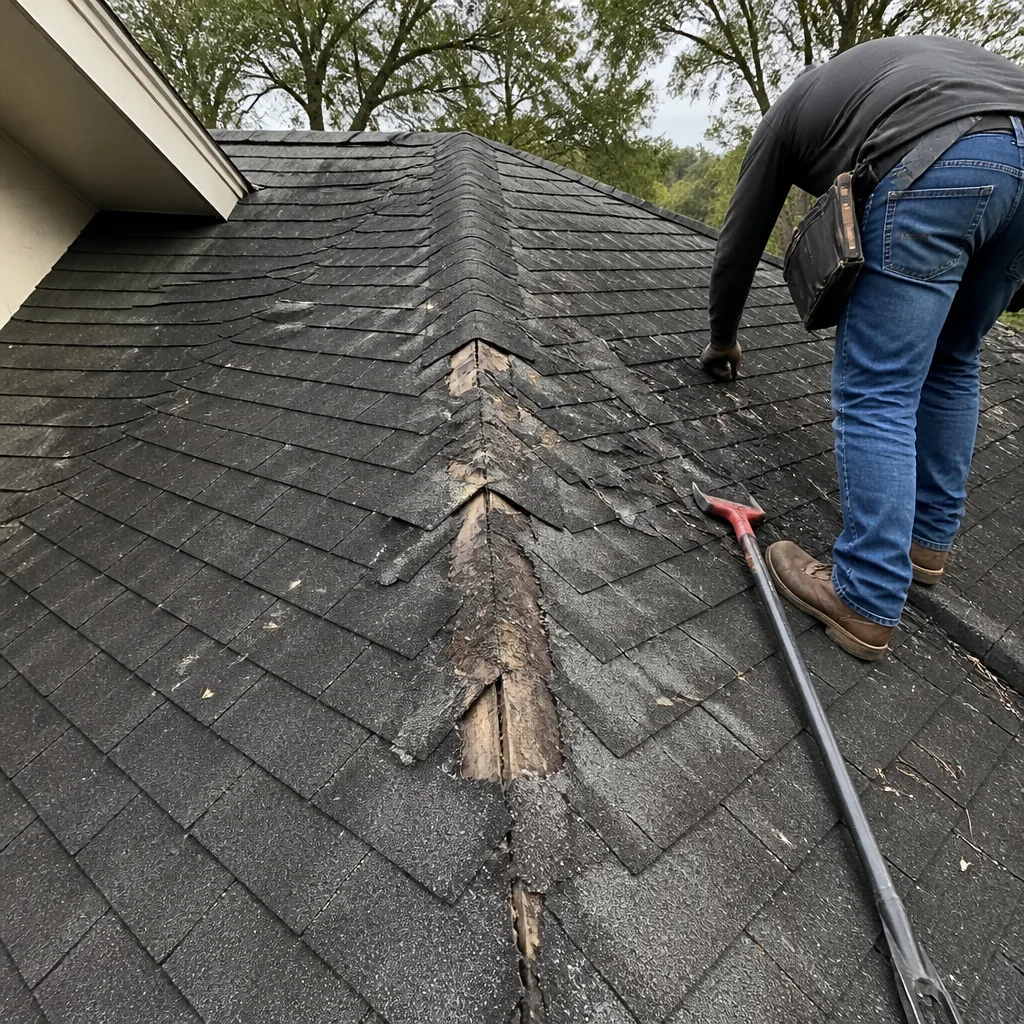 Before
 After
After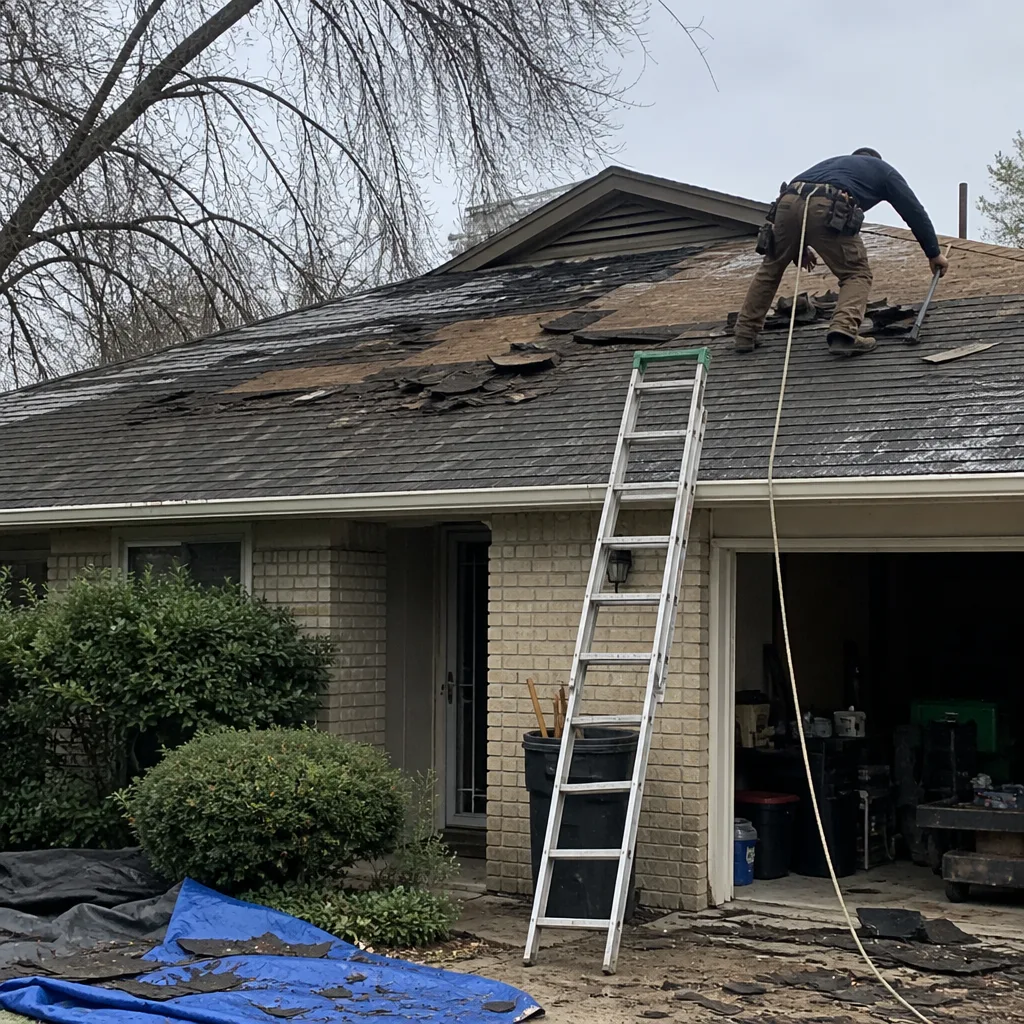 Before
 After
After