
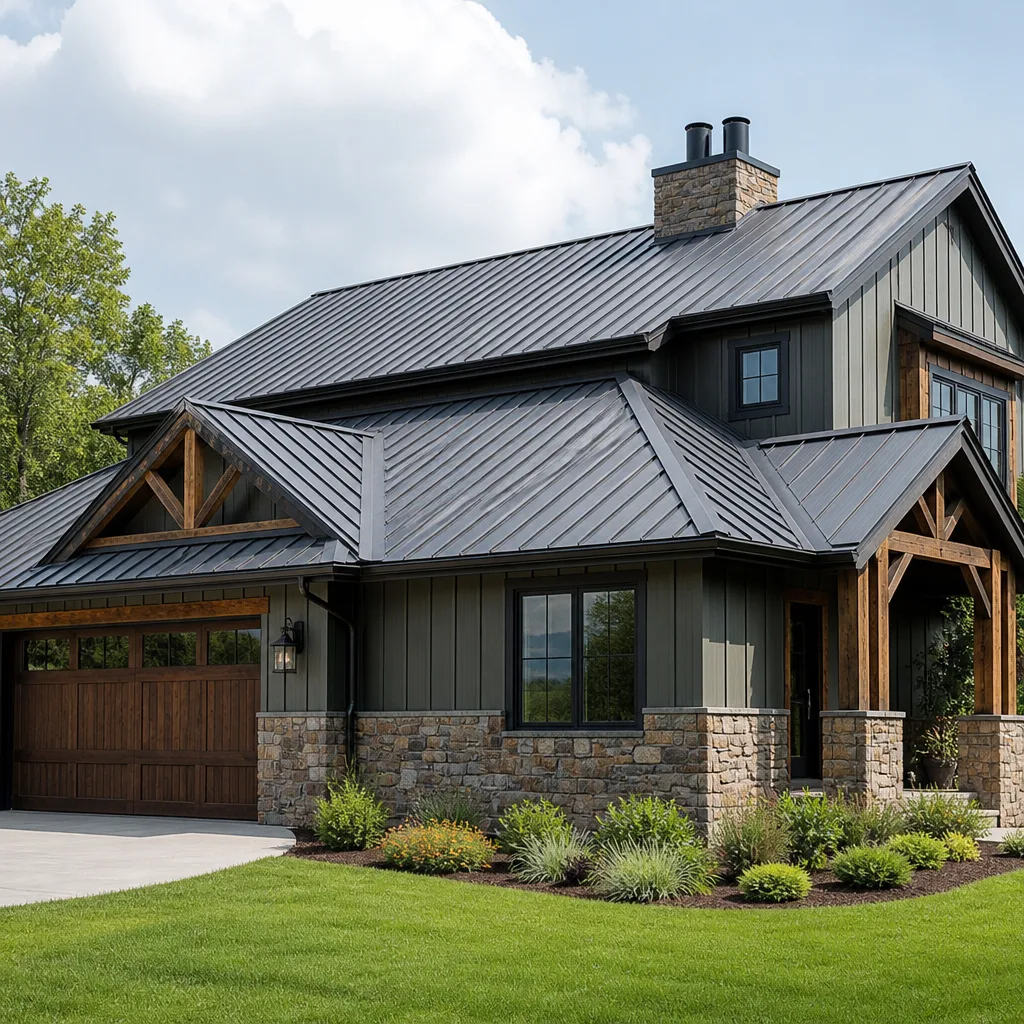
 Metal roofing
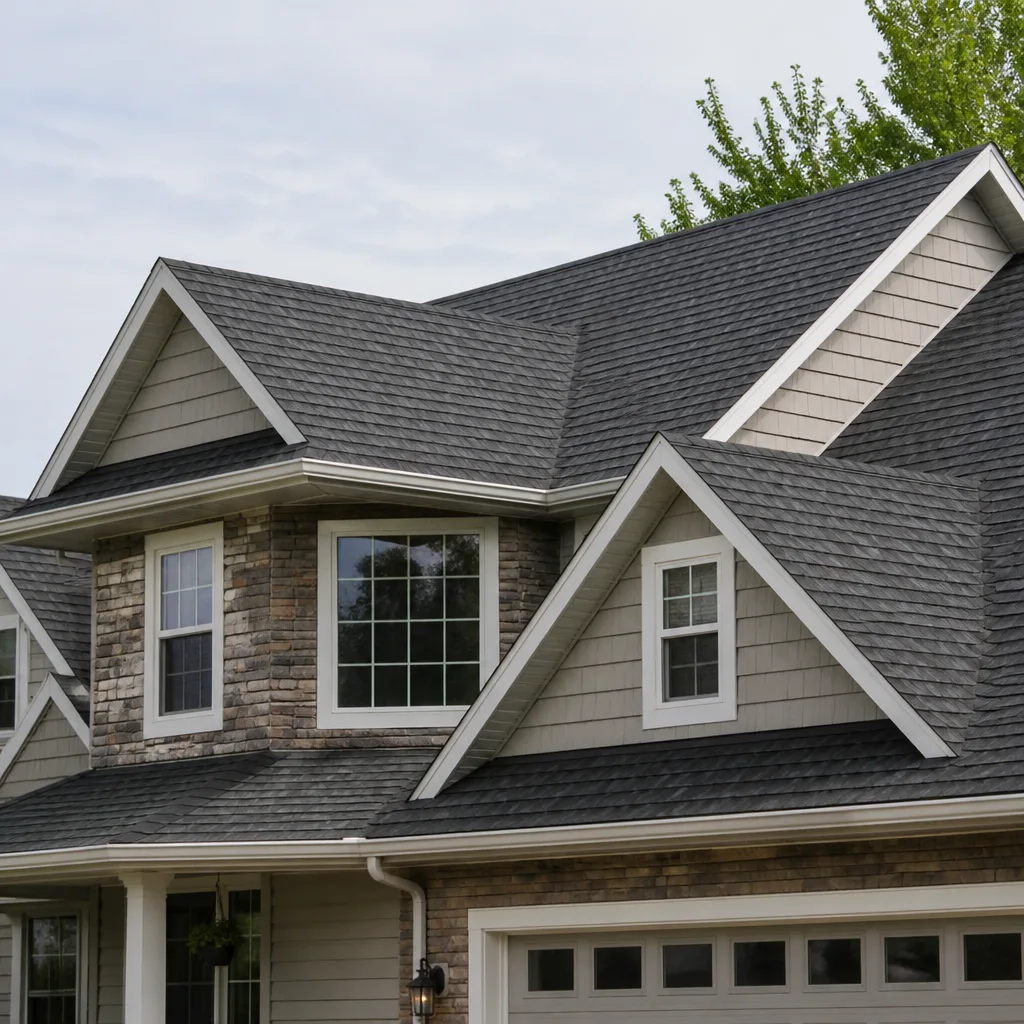 Architectural shingles
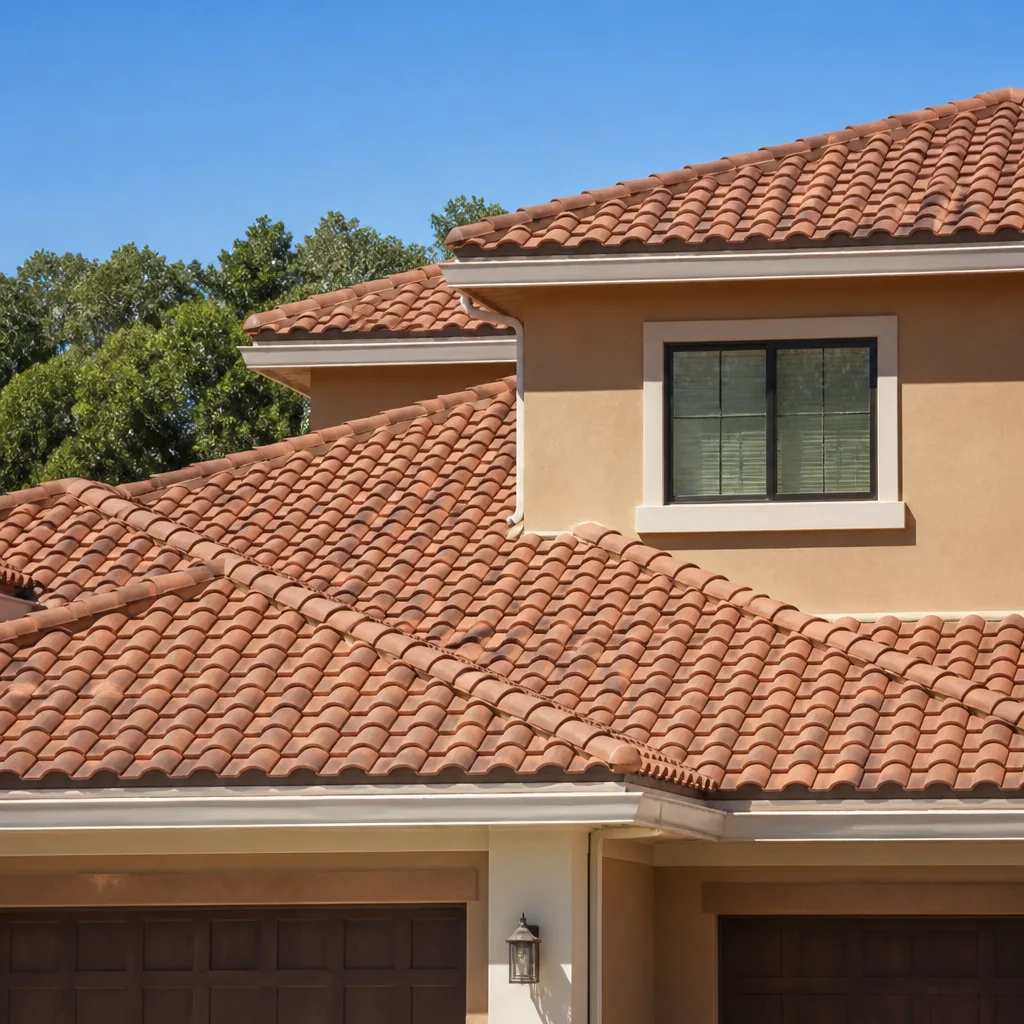 Tile roofing
 GAF
GAF Owens Corning
 Flat & low-slope
Free roof inspection with deck photos before we talk money - GAF and Owens Corning certified installation
Atlas Ridge Vent Installation: The Austin Owner’s Guide
Atlas ridge vent installation in Austin typically runs $550 to $900 installed for a standard single-story home, and we stock Atlas-compatible ridge vent material on our trucks so most jobs are done in one visit. The quick answer: if your Atlas ridge vent is cracked, lifting, or letting water in, we can match the profile to your existing Atlas shingle line and replace it without re-roofing the whole ridge. What usually brings people to this page is a water stain on the ceiling below the ridge, or granules and plastic fragments showing up in the gutter after a heavy Texas storm.
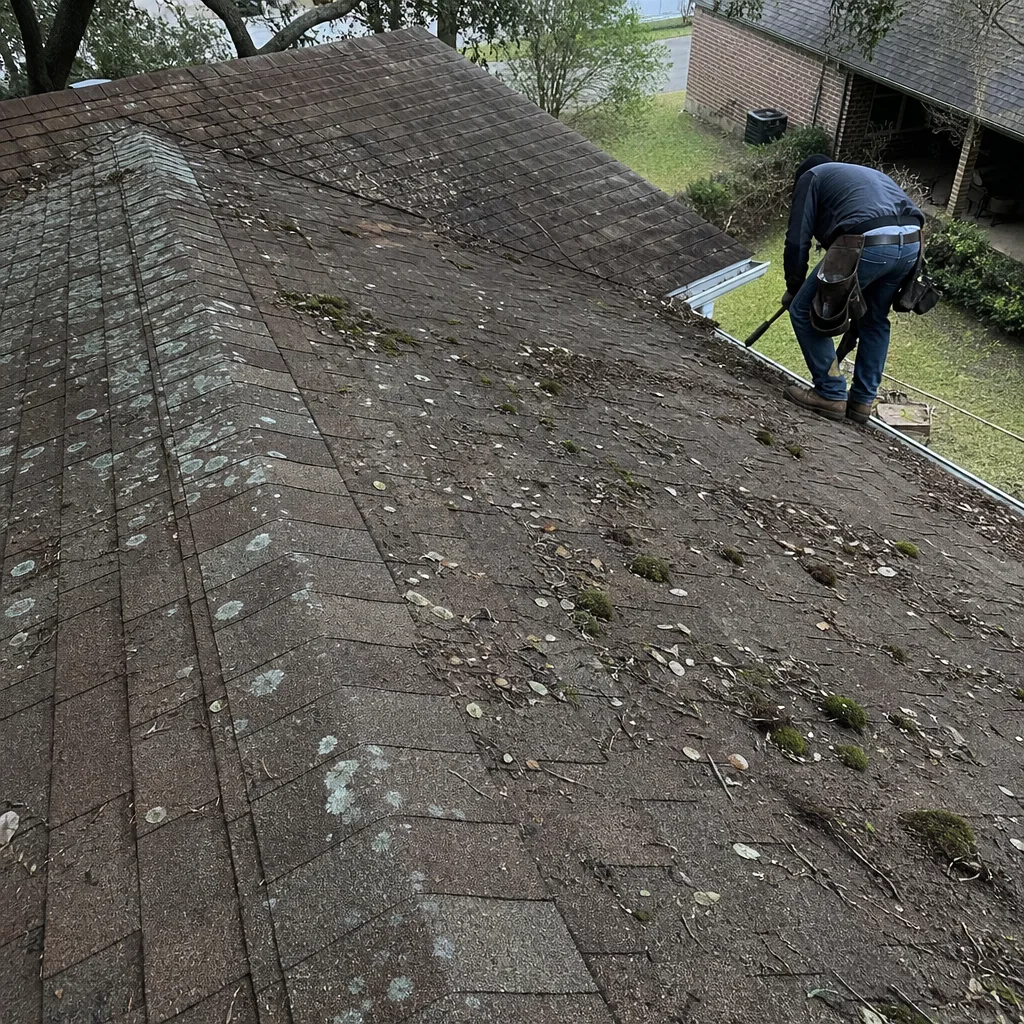
In Austin, ridge vents take a beating. Summer attic temperatures hit 140 degrees or higher, and UV exposure turns plastic vent material brittle faster than manufacturers’ national averages suggest. When a ridge vent fails here, it’s rarely subtle: you’ll see cracked plastic, missing sections after wind, or shingles at the ridge line lifting because the vent underneath has warped. If you’re seeing any of that, the fix is straightforward for a crew that works with Atlas products regularly.
Which Atlas Models This Applies To
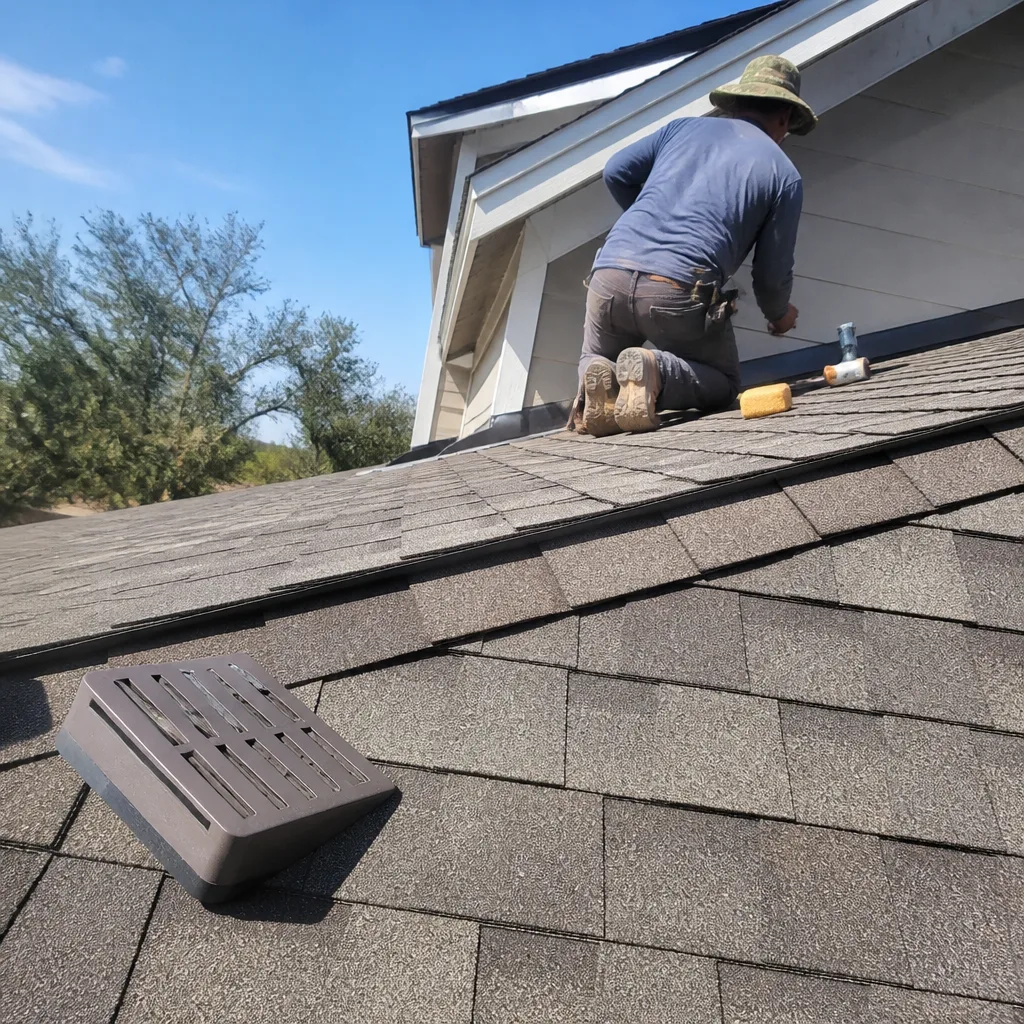
Atlas makes two primary ridge vent lines that show up on Austin roofs: the Atlas CrossVent and the Atlas SmartVent. CrossVent is a rigid, shingle-over ridge vent with a low profile, typically 4 feet per section and 11.5 inches wide. SmartVent is a rolled, flexible ridge vent that installs faster and conforms to slightly uneven ridge lines, which matters on older Austin homes where roof framing has settled over the decades.
Here’s the compatibility gotcha most people miss: Atlas ridge vents are sold as part of Atlas roofing systems, and while they work with any shingle brand, the profile height is engineered to sit flush with Atlas shingle thickness. If a previous roofer installed a generic vent with thicker Atlas shingles, the shingles at the ridge can lift and catch wind. We match the vent profile to your specific Atlas shingle line, whether that’s Pinnacle, StormMaster, or GlassMaster. When we replace a ridge vent, we also check that the vent’s net free area (measured in square inches per linear foot) actually meets Austin’s code minimum of 1 square foot of ventilation per 300 square feet of attic space. That’s a check most people never know to ask about.
On OEM versus aftermarket: for Atlas ridge vents, we use OEM Atlas material wherever possible. The plastic compound Atlas uses in CrossVent holds up measurably better to Texas UV than the generic equivalents we’ve pulled off failed installs. The cost difference is minor, usually $40 to $80 per job, and not worth the gamble when the part’s entire job is keeping your attic dry and cool for 15-plus years.
Important: Crestview Roofing Co Austin is an independent roofing and repair provider. We are not affiliated with Atlas, but we install and repair Atlas ridge vent products daily.
Styles & brands we work with
Signs Your Atlas Ridge Vent Installation Is Failing
- Plastic fragments in the gutter. UV-baked ridge vent plastic gets brittle, then pieces break off during wind events and wash into gutters. If you’re seeing small black or gray plastic shards, your vent material has passed the point of flexibility and is now failing.
- Water stains on the ceiling at the ridge. Usually means the vent’s internal weather filter has degraded or the end caps have pulled loose. Water travels along the ridge beam before it shows up on drywall, so the visible stain may be several feet from the actual gap.
- Shingles lifting at the ridge line. When the vent warps from heat, the shingles covering it can curl upward and catch wind. In Austin’s spring storm season, a lifted ridge shingle turns into a missing ridge shingle fast.
- Attic temperature climbing higher than normal for this time of year. A functioning ridge vent moves hot air out continuously. When it’s blocked, collapsed, or clogged with dust and insulation, attic heat spikes and your AC bill follows it.
- You can see daylight through the ridge vent from inside the attic. That’s not the vent doing its job, that’s a structural failure or missing baffle. The vent should exhaust air, not expose the attic to the sky. If you can see actual gaps, water is getting in during the next rain.
See the difference
 Before
 After
After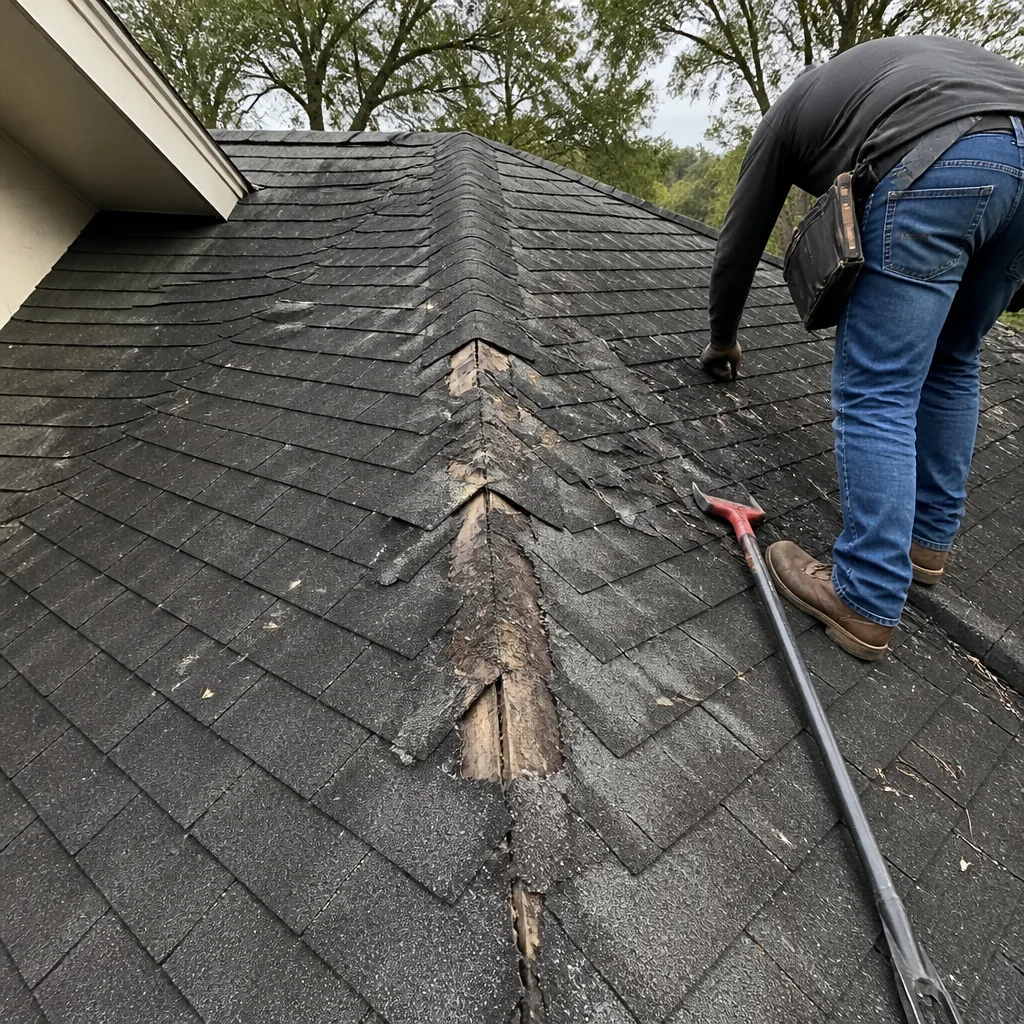 Before
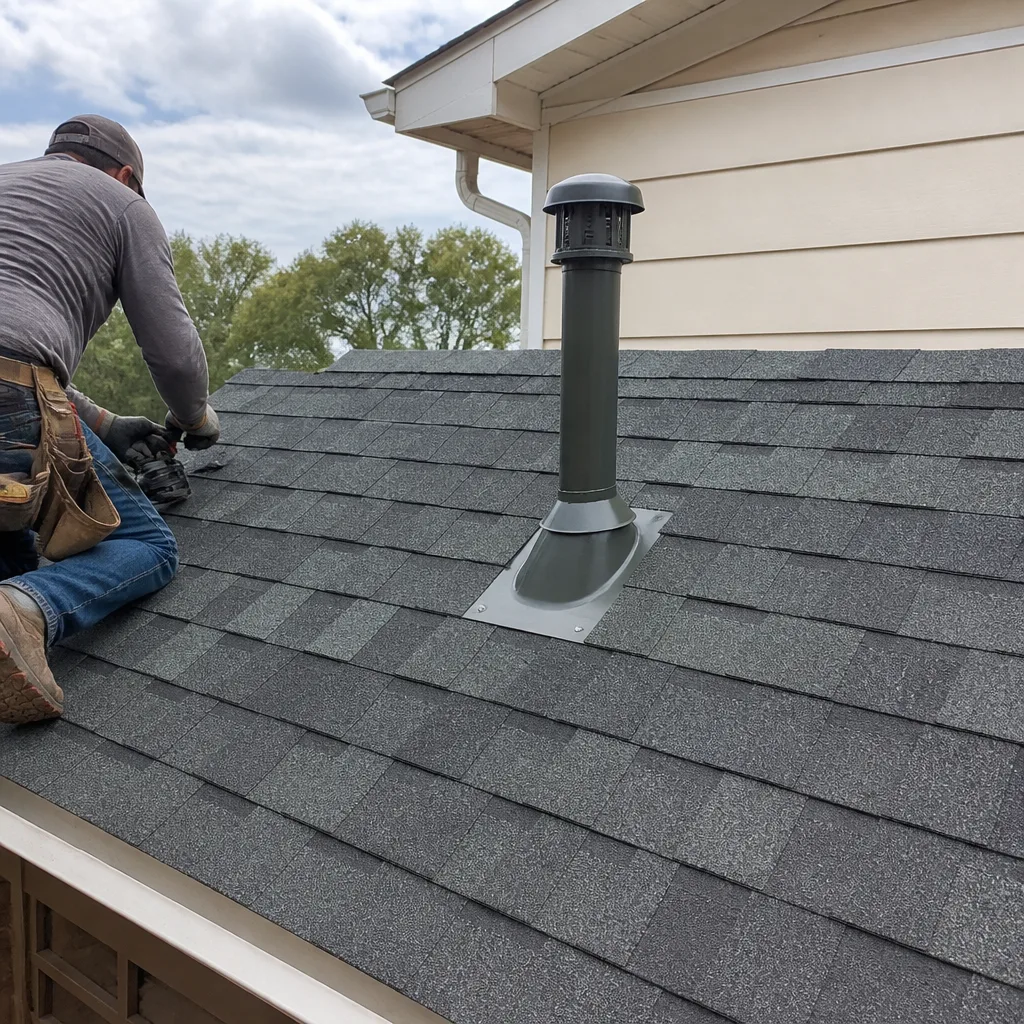 After
After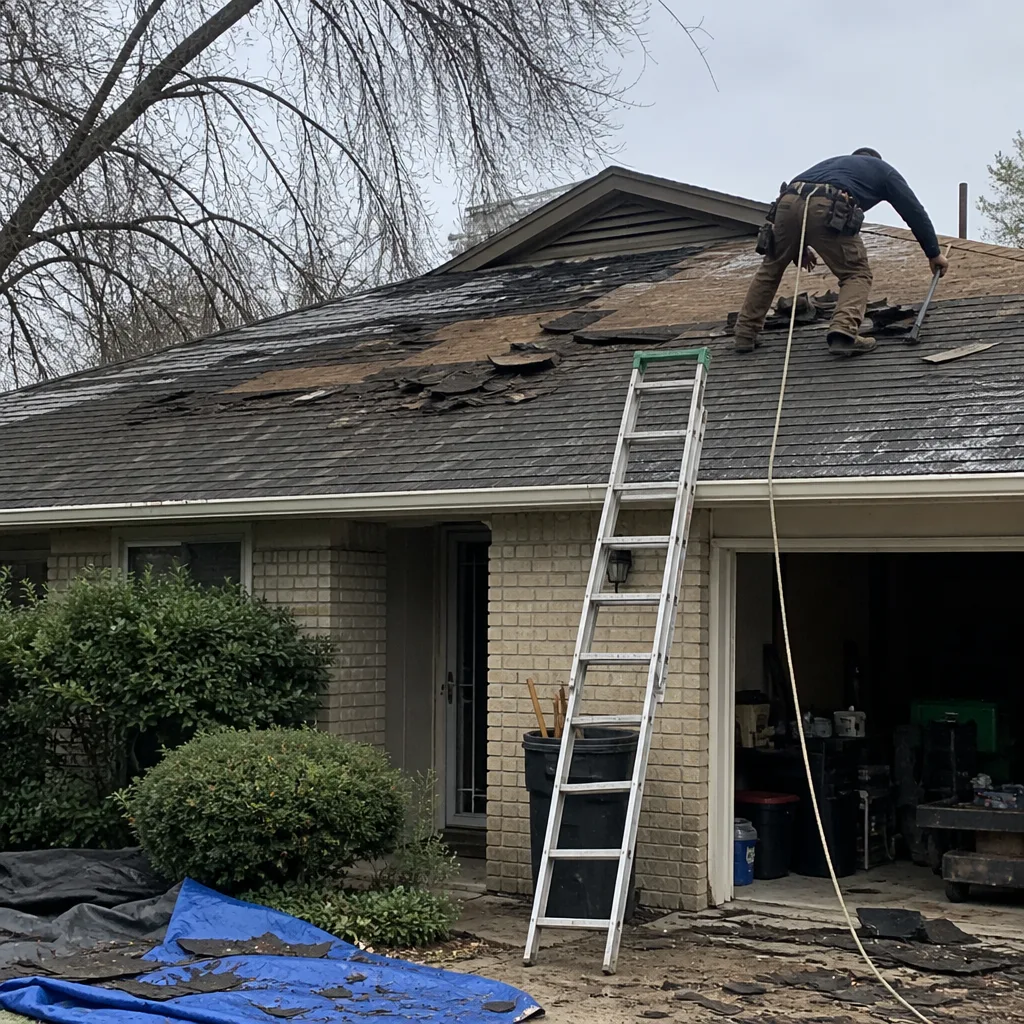 Before
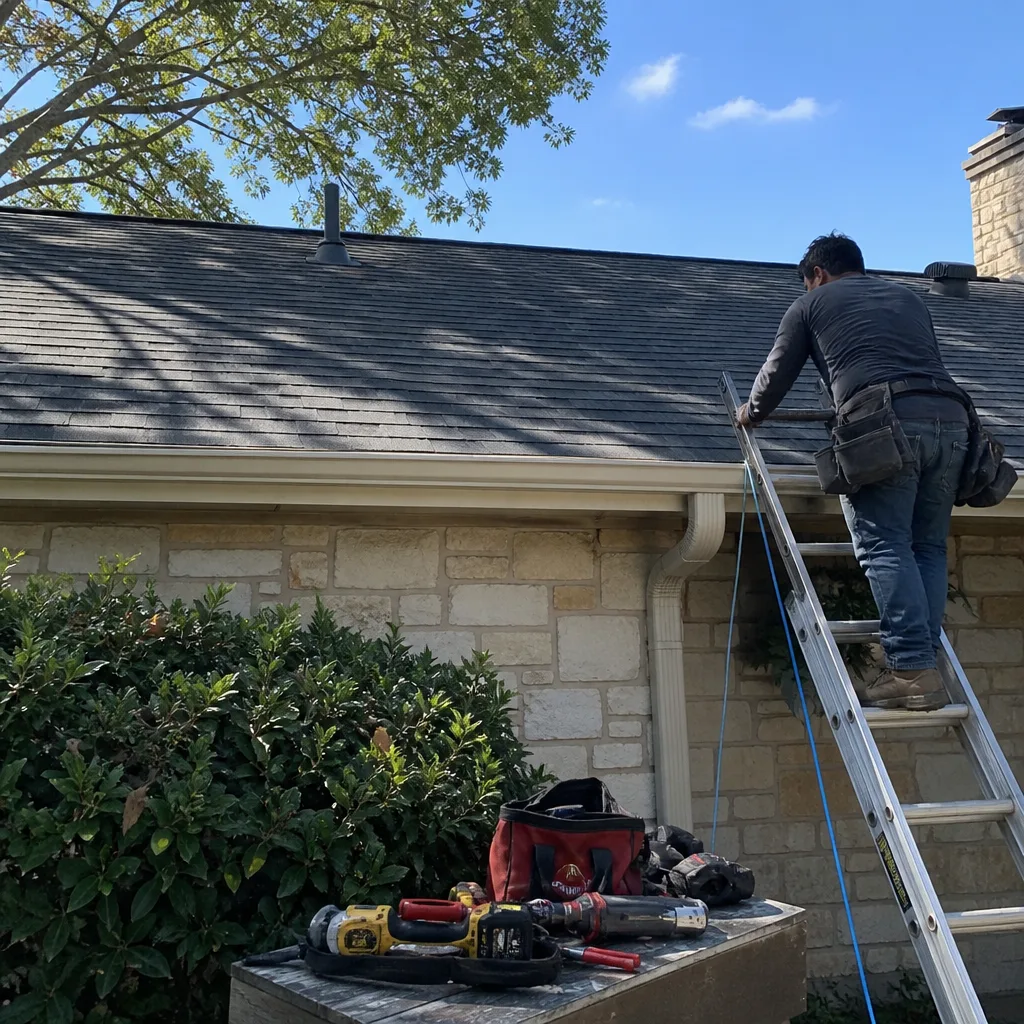 After
AfterReplacement Cost & What’s Included
For most Austin single-story homes, Atlas ridge vent replacement runs $550 to $900 installed. Two-story homes and steeper pitches push toward the top of that range, and if the ridge line is long (say, 60 linear feet or more), the additional material adds proportionally.
Here’s the line-item breakdown so nothing is a surprise:
- Atlas ridge vent material: $4 to $8 per linear foot, depending on CrossVent vs. SmartVent and ridge length.
- Labor: $250 to $400, which includes removing the old vent, inspecting the ridge decking, installing the new vent, and re-securing shingles.
- Disposal and cleanup: included. Old vent material leaves the property, magnets catch nails in the driveway and flower beds.
Every Atlas ridge vent job from Crestview Roofing Co Austin includes a written price before any work starts. The number on the quote is the number on the invoice. The 365-Day Done Right Promise covers the repair for a full year: if the vent fails within 365 days, we correct it at no charge. You’ll also get before-and-after photos and a digital invoice sent by text, so you can see exactly what was done up there.
DIY or Call Us?
You can safely inspect from the ground or a ladder: look for cracked vent plastic, lifted shingles at the ridge, or vent sections that shifted out of alignment. If you’re comfortable in the attic, check for daylight gaps and dust clogs in the filter material. Those are visual checks, and they’ll tell you whether you need service.
What’s not worth doing yourself is the actual replacement. Ridge vent installation means working at the highest point of the roof while removing and re-securing shingles. A fall from the ridge is the most dangerous fall in roofing, and that’s before you get into the precision of matching vent profiles and sealing end caps correctly. We’ve seen DIY ridge vent jobs where the homeowner installed the vent backward, which turns it into a wind-driven rain scoop. The fix cost more than the original install would have. If you suspect your Atlas ridge vent is compromised, call us and we’ll inspect it properly.
FAQs
In Austin’s climate, an Atlas ridge vent installed correctly should last 12 to 18 years. Austin’s intense summer UV and hail seasons push the typical lifespan toward the lower end of that range compared to cooler climates.
Small issues like a loose end cap or a few feet of shifted material can be repaired without replacing the whole run. Once the vent plastic is cracked across multiple sections or the internal filter is degraded, patching is throwing money at a part that’s already failed. We’ll show you photos either way so you can see exactly what condition the vent is in before deciding. Call (254) 587-6371 and we’ll put that in writing.
Most Atlas ridge vent replacements on Austin homes take 2 to 4 hours from setup to cleanup. That includes removing the old material, inspecting the ridge decking for water damage, installing the new vent, and re-securing the shingles.
We stock Atlas CrossVent and SmartVent on our trucks in the most common Austin roof profiles. If your home has an unusual ridge configuration or color match, the material is usually available from our Austin supplier within one business day. Same-day installation for stocked profiles is common.
If your Atlas ridge vent is showing any of the failure signs above, call (254) 587-6371 for a free estimate. Dylan Pace will walk you through what’s on the roof, what it’ll cost, and what we’ll do about it before a single nail goes in. If it’s not in writing, it’s just a conversation.
Written by Dylan Pace, Owner, Crestview Roofing Co Austin at Crestview Roofing Co Austin, serving Austin and nearby areas.