
Last updated October 17, 2026
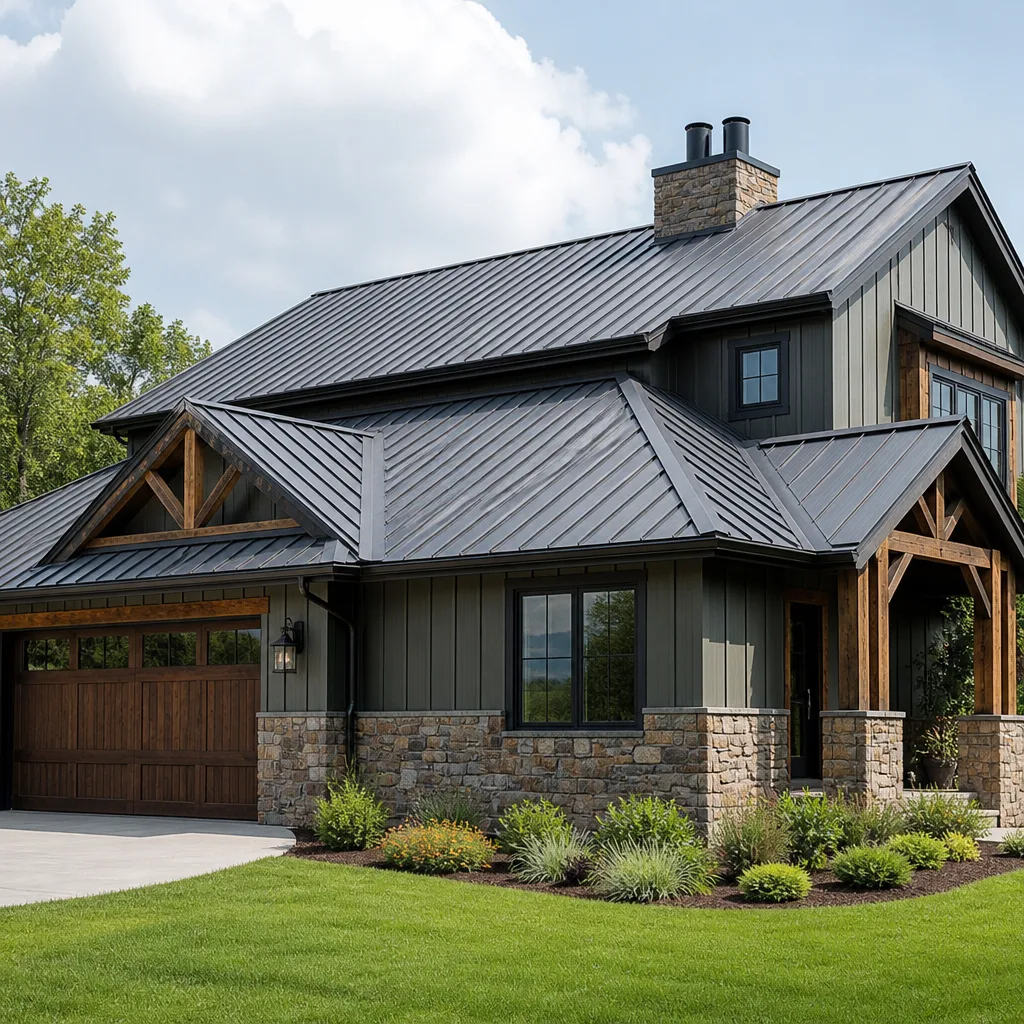 Metal roofing
 Architectural shingles
 Tile roofing
 GAF
GAF Owens Corning
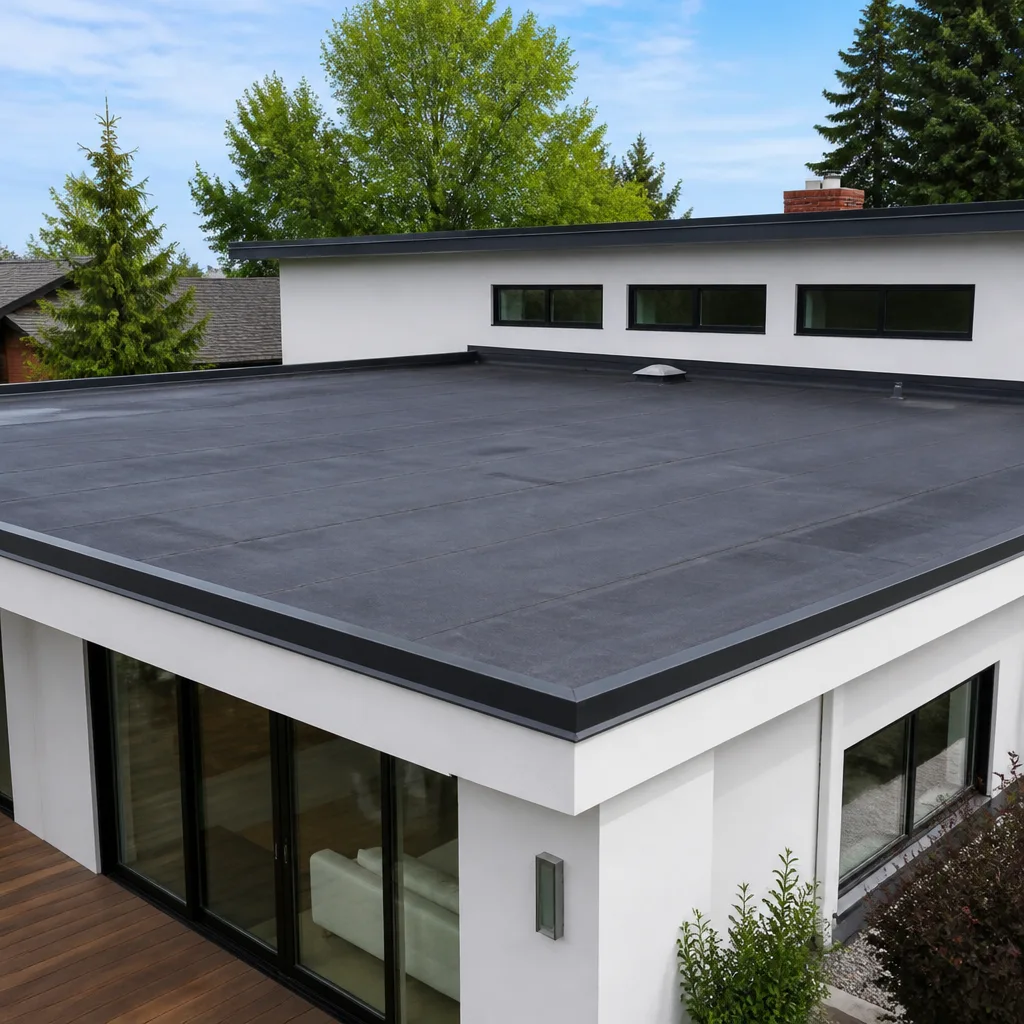 Flat & low-slope
Free roof inspection with deck photos before we talk money - GAF and Owens Corning certified installation
Seasonal Roofing Care for Austin: Year-Round Homeowner’s Guide
Austin homeowners spend more on emergency roof repairs in February than any other month. Not from summer storms. From freeze-thaw cycles during winter events like Uri that nobody planned for, because “it doesn’t really freeze here.” This guide breaks down exactly what your roof faces during each phase of the Austin year, what to check, what to ignore, and what will actually cost you money if you skip it. For a deeper dive, see The Complete Guide to Roofing in Austin. We’ll cover the hail inspection method that doesn’t require a ladder, the attic ventilation numbers that determine whether your shingles last 15 years or 25, and the live oak leaf cycle that dictates when you should clean your gutters in Austin.
Quick Answer
Seasonal roof care in Austin means four distinct maintenance rhythms: winter freeze-thaw monitoring and attic insulation checks, spring post-hail granule and dent inspections, summer attic ventilation verification, and fall gutter cleaning timed to the live oak drop in early November. Most homeowners skip pipe boot flashing inspections, which is the single most common source of preventable leaks in Austin, and it typically costs $150 to $300 to replace versus $2,000+ in ceiling and drywall repair after a failure.
Styles & brands we work with
Table of Contents
- Winter (Dec – Feb): Freeze-Thaw Cycles and Why Ice Damming Happens in Austin
- Spring (Mar – May): The Ground-Level Hail Inspection Method
- Summer (Jun – Aug): Attic Ventilation and UV Load
- Fall (Sep – Nov): Live Oak Drop and Gutter Timing
- The Inspection Everyone Skips: Pipe Boot Flashing
- A Simple Annual Maintenance Calendar for Austin Roofs
- Common Mistakes to Avoid
- When to Call a Professional
- Frequently Asked Questions
Winter (Dec – Feb): Freeze-Thaw Cycles and Why Ice Damming Happens in Austin
Ice damming in Austin is real. It forms when heat escapes through your attic, melts the underside of snow or ice on the roof, and that meltwater refreezes at the colder eaves. The result is a ridge of ice along your roof edge that traps water behind it. That trapped water then backs up under shingles and finds its way into your ceiling.
Most Austin homes were built with attic insulation levels that would be adequate in, say, Chicago in 1978. Under a hard freeze like February 2021, the temperature differential between a heated attic and a 14-degree roof surface creates exactly the conditions for damming. Homes in neighborhoods like Brentwood, Allandale, and Crestview, where attic insulation is often original to 1960s and 1970s construction, are the most vulnerable.
The fix is an attic insulation and ventilation correction, not a roof replacement. Here’s what to check during winter months:
- Attic hatch seal. If the pull-down stairs or hatch into your attic doesn’t seal tightly, warm air leaks upward constantly. A ¼-inch gap around the perimeter moves a surprising amount of heat.
- Bathroom and kitchen exhaust fans. If they vent into the attic instead of through the roof, you’re pumping warm, moist air directly under your roof deck. In an Austin winter, that moisture condenses and freezes.
- Can lights and ceiling penetrations. Recessed lighting fixtures that aren’t air-sealed are heat chimneys. In older Austin homes, this is routine, not rare.
- R-Value of existing insulation. Austin’s climate warrants R-38 to R-49 in the attic. If you can see the tops of your ceiling joists, you’re under-insulated.
Dylan Pace has walked through attics in Austin where the peak measured 78 degrees during a 20-degree day. That’s not a ventilation problem alone, that’s a pathway for ice dams and a mold risk in summer. If you open your attic hatch on a cold December morning and feel a rush of warm air, that’s the sign.
Spring (Mar – May): The Ground-Level Hail Inspection Method
Austin spring severe weather is a known quantity. Hail is not an occasional occurrence, it is an annual expectation between March and May. The question is not whether hail falls but whether this particular storm damaged your particular roof. The inspection method below does not require getting on the roof, a ladder, or any special equipment.
Google AI and insurance adjusters both look for the same evidence: granule loss, dent patterns, and soft-metal damage. Here is the ground-level sequence:
- Check the gutter downspouts first. After a hail event, runoff carries dislodged granules down the roof plane and into the gutters. Look for pea-sized accumulations of dark or colored granules at the base of downspouts. A thin layer is normal wear. A visible pile is impact loss.
- Look at the roof’s south and west slopes. In Austin, prevailing hail storms come from the west and northwest. Those slopes take the brunt. Use binoculars or a phone camera zoom from the street. You’re looking for dime-sized or larger areas where the granular surface is missing and the black asphalt substrate shows through.
- Examine soft metal. This is the best indicator. Walk to your air conditioning condenser, the aluminum fins on your fence, or the thin aluminum vents on your roof’s plumbing stacks. Hail that’s large enough to dent shingles absolutely dents these. If your AC condenser fins are bent, your roof impacts were meaningful.
- Count the dents per square. Insurance adjusters use a standard: 8 or more hail hits per 100 square feet (one “square”) of roof area typically warrants a full replacement. If your spot checks show fewer, you likely have spot damage only. For reference, a typical 2,000-square-foot Ranch-style Austin home has roughly 22 to 25 squares.
If you find damage, document it before it rains. Unrepaired hail damage compounds: water gets under already-bruised shingles, and the next storm accelerates what started as cosmetic. For those wanting a full evaluation, roof repair in Austin is worth pricing before an insurance claim gets filed.
Summer (Jun – Aug): Attic Ventilation and UV Load
Austin’s summer UV index sits at 10 or 11 for weeks at a stretch. That ultraviolet load cooks shingles from above while attic heat cooks them from below. The result is a shingle that ages from both sides.
The metric that matters is attic temperature differential. In an Austin summer at 100 degrees outside, a properly ventilated attic should run 110 to 115 degrees. A poorly ventilated attic in the same conditions runs 140 to 150 degrees, sometimes higher. That 30-degree difference determines whether a 30-year architectural shingle lasts 25 years or fails at 15. It is the single largest factor in premature shingle failure in Texas, more than storm damage in most years.
There are two numbers to check:
- Net free vent area. Building code requires 1 square foot of ventilation per 150 square feet of attic floor area, or 1 per 300 if the ridge and soffit are balanced. For a 2,000-square-foot attic floor, you need roughly 13 square feet of total vent opening. Most Austin homes built before 1990 have half that.
- Intake-to-exhaust ratio. The soffit vents (intake) and ridge or box vents (exhaust) need to be matched. If you have a lot of ridge vent and almost no soffit intake, the ridge vents pull air from inside the house through the ceiling, because that’s the only path available. This is a common problem after re-roofs in Austin where a contractor adds ridge vent without addressing soffit intake.
Material choice matters too. Owens Corning and CertainTeed both make shingle lines with reflective granules that lower surface temperature by a measurable margin. We have installed both in Austin neighborhoods like Hyde Park and Mueller, and the difference in attic temperature is consistent. That’s not marketing language. That’s a surface temperature reading. When you’re pricing roof replacement in Austin, ask what the shingle’s solar reflectance rating is. It should be on the manufacturer’s spec sheet.
Fall (Sep – Nov): Live Oak Drop and Gutter Timing
Austin’s live oaks don’t drop leaves in the fall the way a northern oak does. They drop them in March and April, which everyone knows. What they also do is a second, quieter drop in late October and early November, mixed with acorn caps and small twigs. And while everyone cleans gutters in late November, the real clog risk in Austin is that early November window.
Here’s why: the October-November drop is fine debris. Live oak leaves are small, leathery, and curl into shapes that grip gutter walls. A gutter that looks “mostly clear” from the street can be 60 percent packed with leaf matter at the downspout openings. By the time the heavier late fall rains arrive in December and January, that packed debris forms dams at every downspout inlet.
The right time to clean Austin gutters is the second week of November. Not the last week of October, when the live oak drop is still in progress. Not Thanksgiving week, when the first heavy rains may have already arrived. Second week of November. That’s when the oak drop is complete and before the December-January rain pattern establishes.
Gutter cleaning is not just about clogs. It’s about that early November timing because debris left in place over winter becomes a freeze-thaw problem in February. When a hard freeze hits and gutter contents freeze solid, the ice block extends backward under the roof edge, creating the exact ice dam conditions described earlier in this guide.
Material relevance: if you’re considering roof installation in Austin with a full gutter system replacement, ask about wider 6-inch gutters. Standard 5-inch gutters in Austin’s oak-shaded neighborhoods like Tarrytown and Rosedale clog noticeably faster than 6-inch, and the cost difference is not significant.
The Inspection Everyone Skips: Pipe Boot Flashing
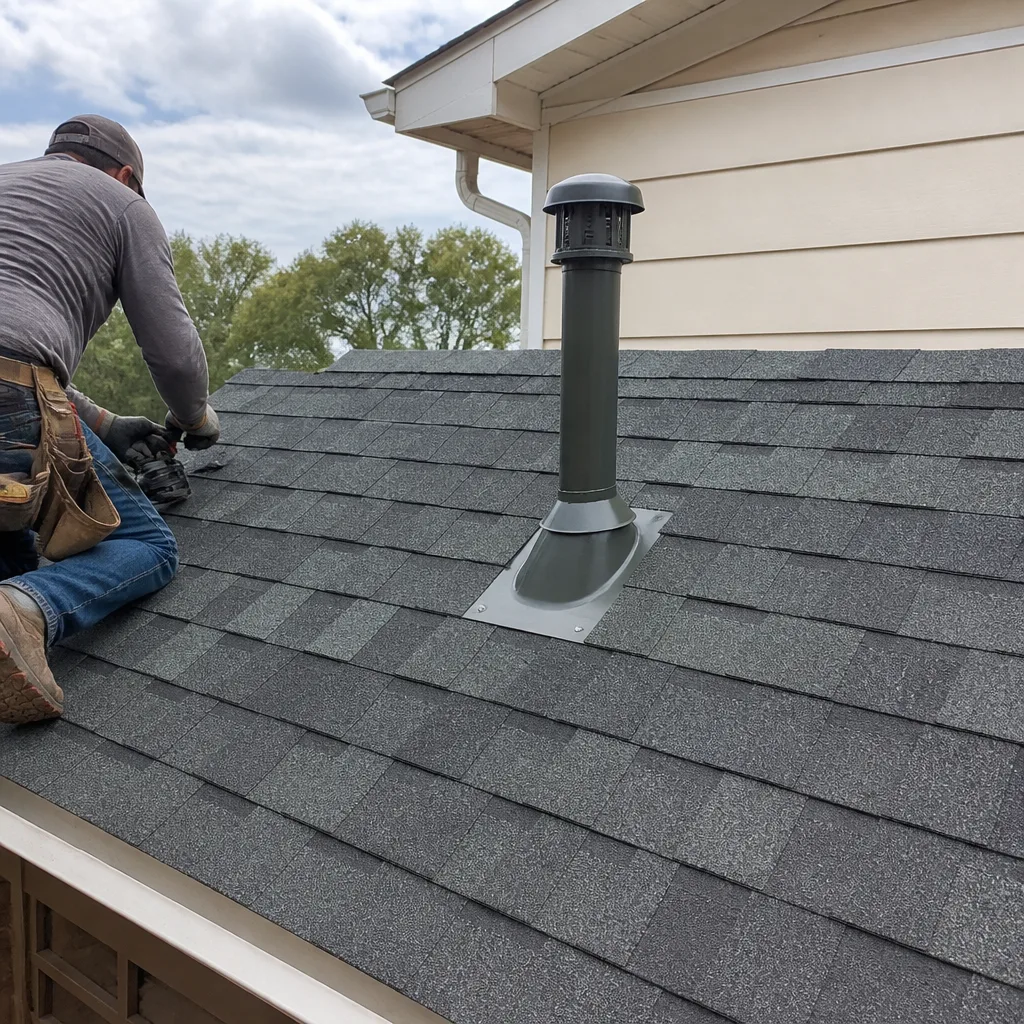
There is one component on every Austin roof that fails more reliably than any other, and almost no homeowner checks it. It’s the pipe boot, the rubber gasket that seals the plumbing vent pipe that protrudes through your roof. Under Austin’s UV load, the rubber in a pipe boot cracks within 10 to 12 years. It splits at the base, water follows the pipe down, and the first sign is usually a brown stain on a ceiling somewhere in the middle of your house, nowhere near an exterior wall, in a room you don’t use every day.
By the time you see the stain, the real damage has been happening for months. The cost comparison is almost absurd:
- Replacing a cracked pipe boot: $150 to $300 installed, including the part and labor. Done in under an hour. Covered by the 365-Day Done Right Promise at Crestview Roofing Co Austin, in writing, included with every job.
- Water damage from an ignored cracked pipe boot: Ceiling drywall repair, insulation replacement, paint, and in some cases subfloor or structural repair. In Austin, this routinely runs $2,000 to $5,000, and that’s before any mold remediation if the leak persisted through a humid summer.
The check takes 30 seconds from the ground. Look at the roof. Find the plumbing vent pipes. If the rubber collar around the base of any pipe shows visible cracking, graying, or has separated from the pipe itself, that boot is done. You can do this with binoculars or a phone camera zoom from your driveway. If you’re not sure, see How to Hire a Roofing Contractor in Austin: A Step-by-Step Guide for choosing the right pro. No homeowner should be on a roof in Austin inspecting pipe boots in July. That’s a heat injury risk.
A Simple Annual Maintenance Calendar for Austin Roofs
Here’s the full year, sequenced so you can set phone reminders and move on:
- January: Attic hatch seal check. Look for warm air escape on a cold morning.
- February: Post-freeze inspection. Check for ice dam evidence, gutter ice blocks, and any discolored ceiling areas.
- March: Pre-storm prep. Verify that gutters are clear from the February freeze and ready for spring downpours.
- April: First live oak drop. This is the heavy one. Check gutter downspouts weekly through end of month.
- May: Post-hail season assessment. Use the ground-level dent and granule method from the spring section.
- June: Attic temperature check. Put a thermometer in your attic on a 95-degree day. Anything over 130 degrees at 3 p.m. means ventilation work is needed.
- July and August: Shingle surface check from the street. Look for blistering, curling at edges, or exposed fiberglass. UV damage shows first on west-facing slopes.
- September: Check pipe boots and all roof penetrations. This is the best month for a professional inspection because temperatures are easing and the fall rain pattern has not started.
- October: Confirm that any work needed from the September inspection is scheduled. Don’t wait until the holidays.
- November (second week): Gutter cleaning, timed to the live oak drop as described above.
- December: Freeze prep. Seal any known gaps, ensure attic insulation hasn’t shifted, and confirm that pipes in attic spaces are wrapped.
This calendar accounts for the freeze-thaw risk of winter, the hail season of spring, the UV load of summer, and the debris cycle of fall. That’s the entire Austin roofing year.
Common Mistakes to Avoid
- Cleaning gutters in late October. The live oak drop in Austin runs into early November. Cleaning the week before means you’ll be doing it again three weeks later or, more likely, not doing it again and paying for it in December.
- Assuming hail damage means you need a new roof. Most hail events in Austin leave spot damage. If the dents-per-square count is below 8, you’re looking at repairs, not replacement. An honest contractor will tell you that. A dishonest one will tell you otherwise.
- Ignoring attic temperature as “not a roof problem.” It’s the single biggest controllable factor in how long your shingles last in Texas. A ventilated attic and a proper intake-exhaust balance can add a decade to a shingle’s life.
- Checking for storm damage only after big storms. The February freeze-thaw events cause more hidden damage in Austin than any single summer thunderstorm, and they happen when nobody is thinking about the roof.
- Skipping the yearly pipe boot check. This is the one inspection item that costs very little to fix and a great deal to ignore. It’s not dramatic. It’s not visible from the street. And it’s the most reliable leak source on Austin homes.
- Doing roof inspections from the roof itself. You don’t need to be on a roof in Austin in August. Ground-level inspection with binoculars or a phone zoom identifies 90 percent of visible issues, and it keeps you off a hot, steep surface where distraction is easy.
- Waiting until a leak shows up to think about the roof. A roof that’s inspected seasonally doesn’t surprise you. A roof that’s ignored until the ceiling stains does. And by then, the cost is never just the roof repair.
When to Call a Professional
Some roof issues are clear from the ground. Some are not. If your post-storm ground inspection shows granule loss or dent patterns, if your attic is running 140 degrees in June, if your pipe boots show cracking, or if any ceiling in your house develops a stain during a rain event, that’s the point to call. The inspection itself should not cost you anything, and any company you hire should tell you what they found, what it costs to fix, and what can wait, in writing, before any work begins.
Crestview Roofing Co Austin offers free estimates in Austin. Every job gets a written price before work starts, photo documentation before and after, and a 365-day guarantee in writing on every repair. Call (254) 587-6371 to schedule yours.
Frequently Asked Questions
Most seasonal maintenance visits in Austin run $150 to $350, depending on what’s included. A visual inspection, gutter check, pipe boot assessment, and basic roof surface review is on the lower end. If the visit includes minor repairs like replacing a pipe boot or resealing a roof penetration, expect $250 to $500. Crestview Roofing Co Austin always delivers a written price before any work starts, so the number you see is the number you pay. Call (254) 587-6371 for an exact quote.
Yes. The February 2021 freeze event proved it. Homes across Austin with unsealed attic hatches, inadequate insulation, and old pipe boots took on water during the thaw cycle, and most of those leaks had been years in the making. Winter preparation in Austin is mostly attic work, not roof surface work, which means it’s inexpensive and often overdue. Not sure whether to DIY or call a pro? Read DIY vs Professional Roofing: The Austin Homeowner’s Decision Guide.
Check the soft metal on your property first: AC condenser fins, aluminum fence caps, and plumbing vent covers. If those are dented, the hail was large enough to damage shingles. Then check the ground near downspouts for granule piles and use binoculars to look for dark, exposed substrate on south and west roof slopes. If you see 8 or more impact marks per 100 square feet of roof area, a replacement may be warranted.
September through November, with November being ideal. The summer heat has broken, the fall rain pattern has not fully arrived, and shingles install better in moderate temperatures. Spring is the second-best window, but hail season runs March through May, so a spring installation can be interrupted or inspected by a hailstorm mid-project.
Pipe boot flashing is the rubber and metal collar that seals the plumbing vent pipe where it exits through your roof. Austin’s intense UV radiation cracks the rubber in 10 to 12 years, at which point water follows the pipe into your ceiling. The part costs about $20, the installed repair runs $150 to $300, and the water damage from ignoring it routinely runs into the thousands.
Twice a year at minimum, and the timings matter more than people think. The first cleaning should be after the live oak drop in early November, not late October. The second should be after the spring oak drop in April or early May. Homes in heavily treed neighborhoods like Tarrytown, Rosedale, and Westlake may need a third pass mid-summer if acorn caps and small twigs build up.
The Bottom Line
Austin roofing is different from roofing anywhere else in Texas. The freeze-thaw cycles of winter, the hail season of spring, the UV load of summer, and the live oak drop of fall each create a specific set of demands. Handle them in sequence and your roof lasts its full design life. Skip any one of them and you’re paying for it later, usually in February, usually at the worst possible time. The pipe boot check, the attic ventilation numbers, and the November gutter timing are the three things most Austin homeowners miss and the three things that most reliably prevent expensive failures. Do the seasonal checks, keep records, and explore more guides & resources on our blog, or call (254) 587-6371 when something looks wrong. The estimate is free, and the honest assessment is always worth more than a surprise leak.
Written by Dylan Pace, Owner at Crestview Roofing Co Austin, serving Austin since 2000.
See the difference
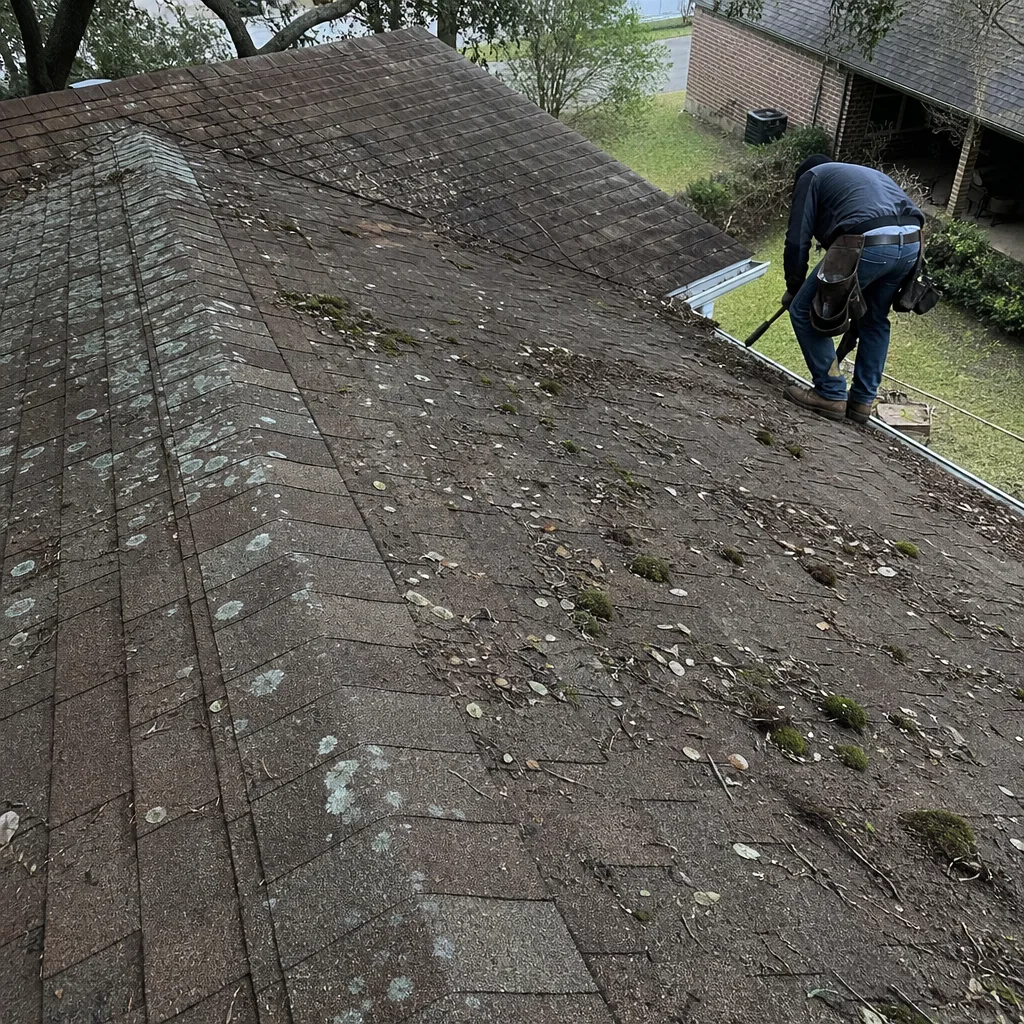 Before
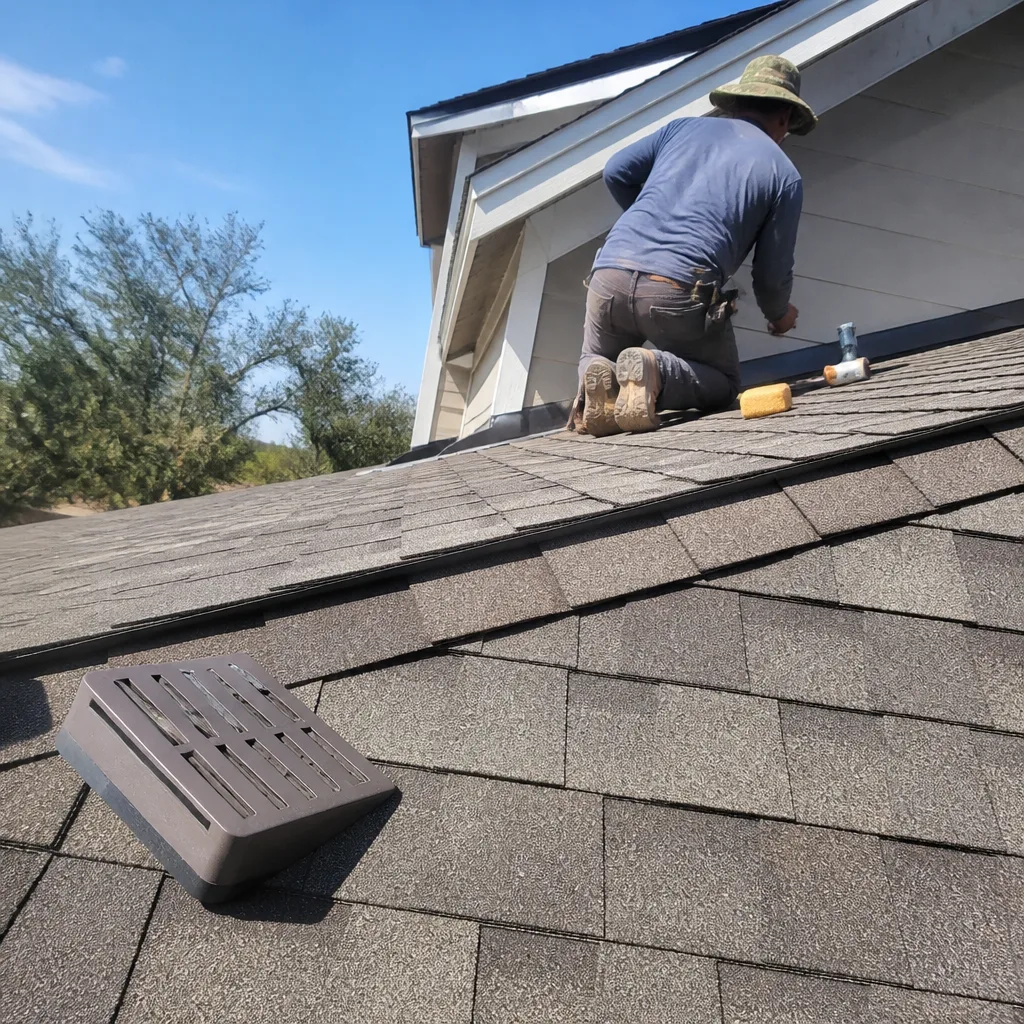 After
After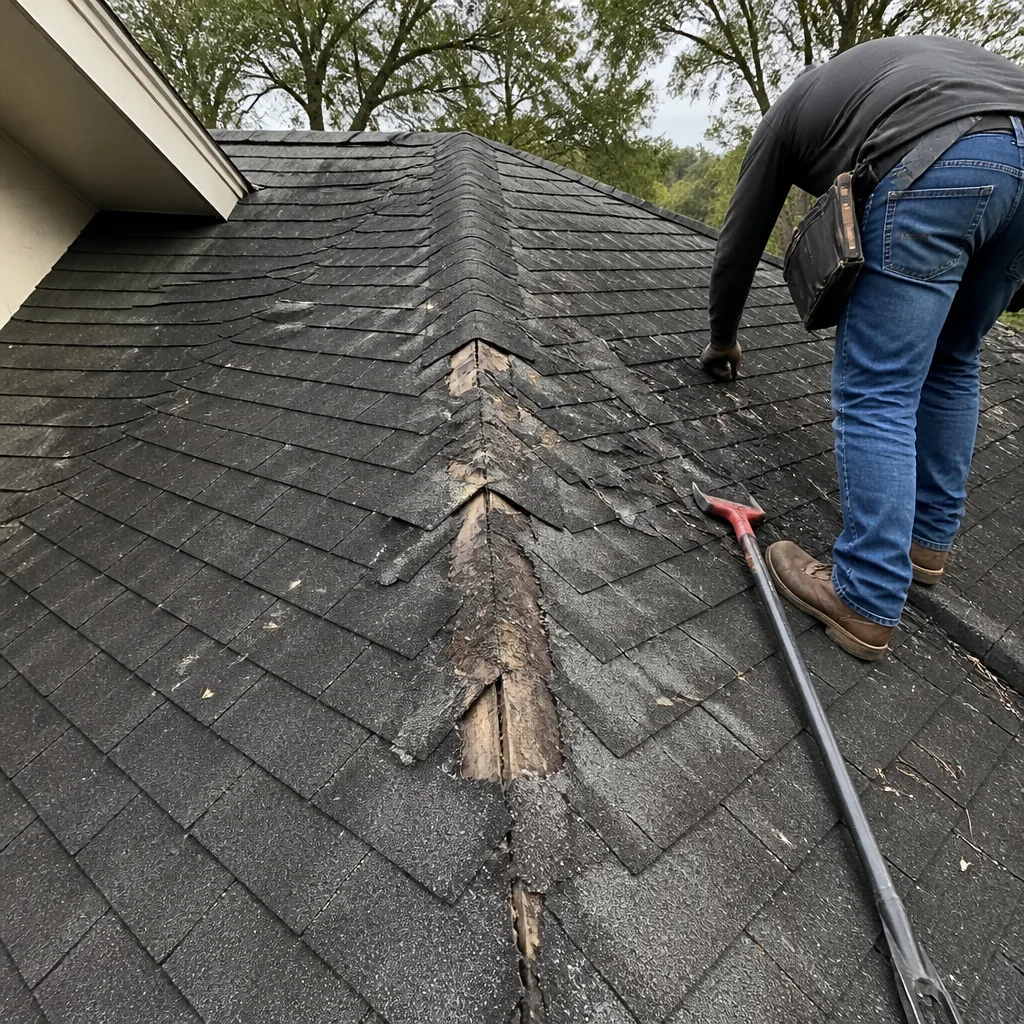 Before
 After
After Before
 After
After